
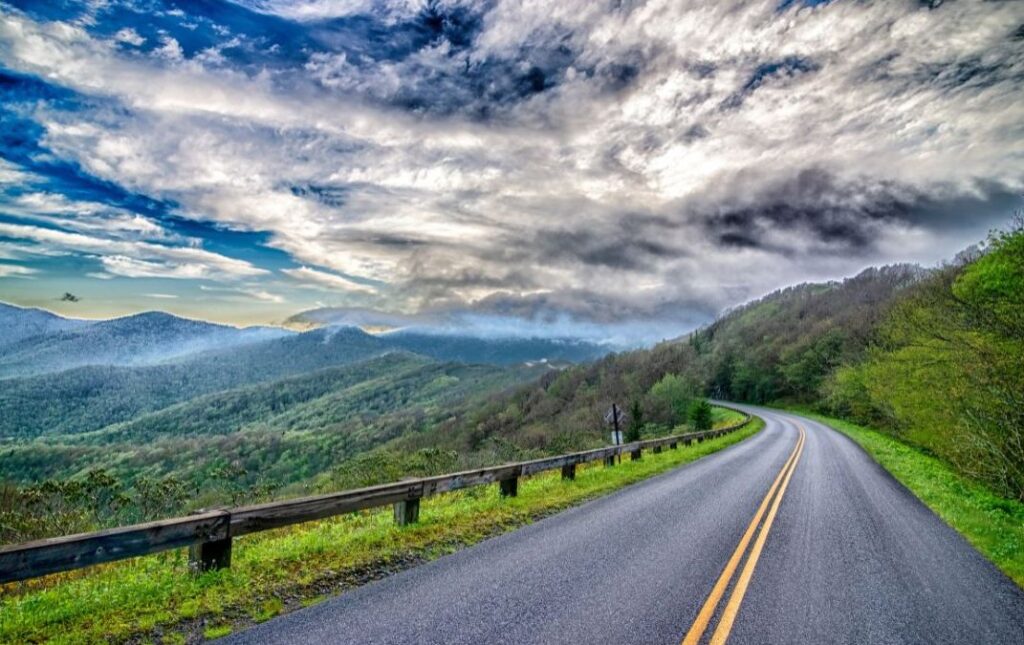
Blue Ridge Travel has never been about checking boxes on a list. People come to the Blue Ridge for space, for quiet, and for a sense of place that unfolds slowly. The mountains resist being rushed. Roads curve. Towns reveal themselves a little at a time. What matters here isn’t how much you see, but how closely you pay attention.
This collection approaches Appalachian travel as an experience rather than an itinerary. These stories focus on movement through landscape, encounters with communities, and the everyday details that give a place its character. They aren’t guides in the conventional sense. They’re observations meant to help visitors understand where they are and how to move through it with care.
Landscapes and the Way People Move Through Them
The Blue Ridge shapes every journey. Mountains, valleys, and rivers determine how roads are built and how people travel. Movement here follows the land rather than cutting across it.
Scenic drives, back roads, and trails invite a slower pace. The landscape encourages pauses. Overlooks are places to stop and look, not just pass through. Understanding the terrain helps travelers appreciate why distance feels different in the mountains and why progress is measured in time rather than miles.
Small Towns, Main Streets, and Local Rhythm
Much of Appalachian travel centers around small towns. Main Streets still function as gathering places. Local businesses serve familiar faces and visitors alike.
Spending time in these places means observing the daily rhythm. Morning routines, quiet afternoons, and early evenings reveal how towns operate beyond tourism. Travel becomes less about attraction and more about presence.
These moments often leave a deeper impression than any single destination.
Music, Culture, and Living Traditions
Culture in Appalachia isn’t staged solely for visitors. Music, storytelling, and tradition are part of everyday life.
Travelers may encounter these traditions in concert halls, community events, or informal settings. What matters is participation with respect. Listening, observing, and learning take precedence over performance or spectacle.
Culture here is something you meet, not something you consume.
Outdoor Spaces and Quiet Recreation
The mountains offer abundant outdoor spaces, but the appeal is often subtle. Trails, rivers, and overlooks invite reflection as much as activity.
Outdoor travel in Appalachia rewards patience. Quiet recreation allows visitors to experience the land without overwhelming it. Respect for shared spaces ensures these places remain accessible to those who live nearby and to those passing through.
The land sets the tone. Visitors follow.
History You Encounter Along the Way
History in the Blue Ridge isn’t confined to museums. It appears along roads, in working landscapes, and in the structure of towns themselves.
Old routes, buildings, and land use patterns reveal earlier decisions and adaptations. Traveling through the region means encountering layers of past and present at once. Understanding this context deepens the experience of place.
History here isn’t a stop. It is part of the journey.
Food, Rest, and Everyday Hospitality
Travel requires rest and nourishment. In Appalachia, hospitality tends to be practical rather than performative.
Local restaurants, roadside stops, and small lodgings serve without excess. Meals are meant to sustain, and places to stay are meant to offer comfort rather than luxury. These everyday encounters often become the most memorable parts of a trip.
Hospitality is part of how communities function, not a special feature.
Change, Pressure, and Responsible Travel
The Blue Ridge continues to change. Increased travel brings opportunity as well as strain. Roads, towns, and public lands feel the pressure of growth.
Responsible travel means recognizing these realities. Moving thoughtfully, supporting local businesses, and respecting shared spaces help maintain balance. Travel works best as a relationship rather than a transaction.
Awareness matters.
How to Use This Travel Collection
The stories in this collection can be read by interest, by place, or by curiosity. Some focus on landscapes, others on towns or cultural encounters. Together, they reflect a way of traveling that values attention and respect.
If you’d like to browse individual stories, you can explore the complete Blue Ridge Travel Collection.