|
|
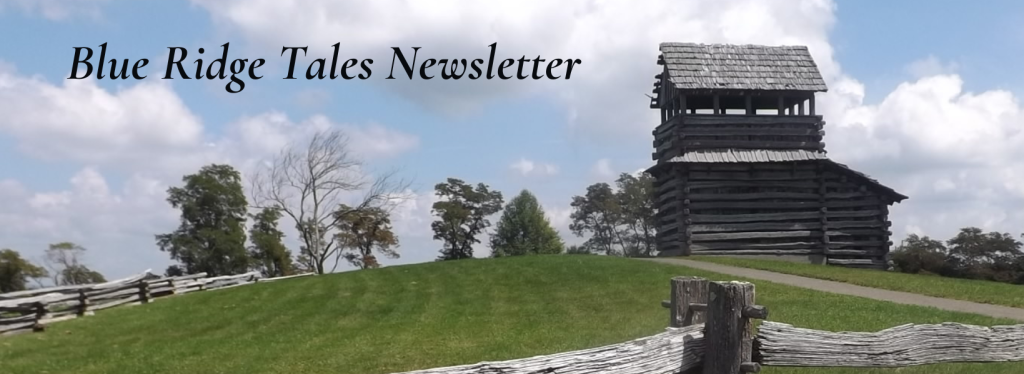
Blue Ridge Parkway Overlook at Groundhog Mountain, Meadows of Dan, VA
|
|
|
|
Howdy, and welcome to the May 2025 Blue Ridge Tales newsletter edition. This month, I explore the complex lives and enduring spirits of those who persevered despite displacement, discrimination, and profound change in the Blue Ridge Mountains. I hope you enjoy my selections for the month.
|
|
|
|
|
|
|
|
|
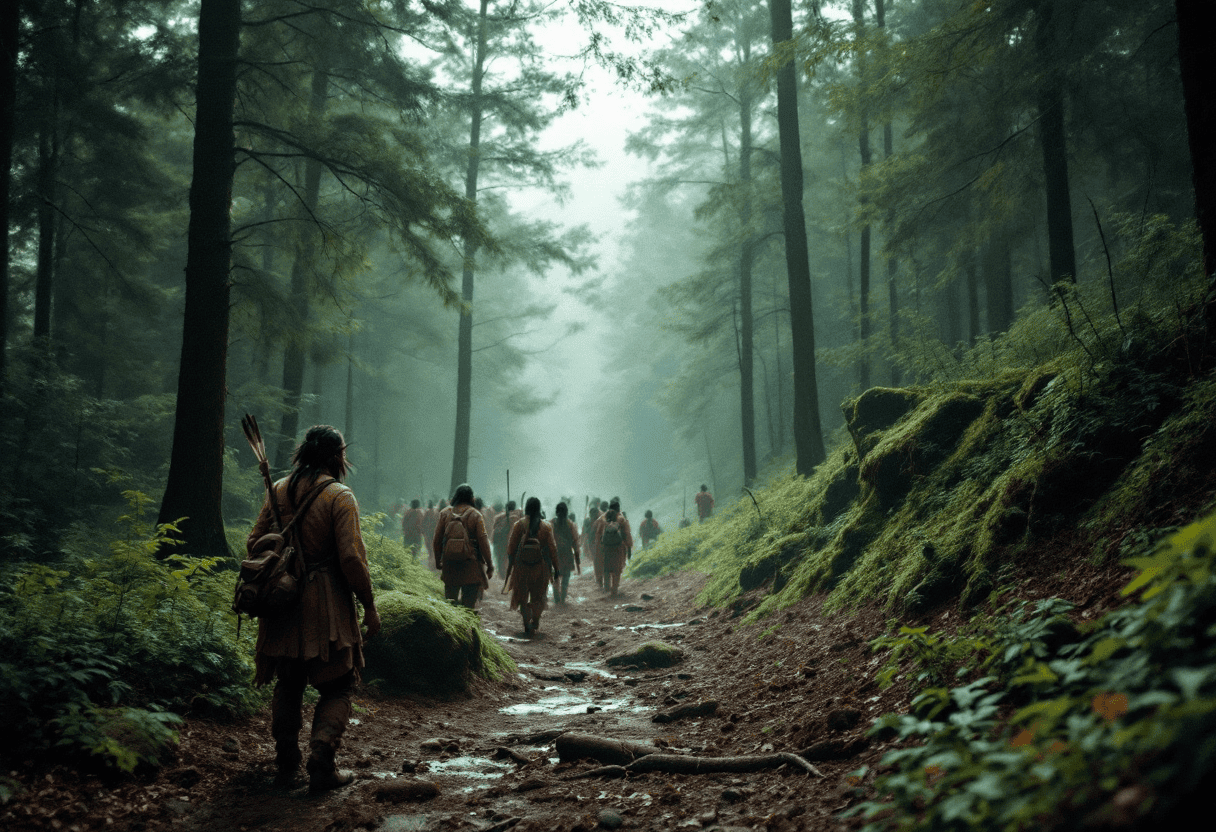
We're taught the Trail of Tears as an ending—a final march west, away from ancestral homelands. But what if it wasn't the end? What if some never left? In 1838, under orders from the federal government, thousands of Cherokee men, women, and children were rounded up at gunpoint and forced to march nearly 1,000 miles to Indian Territory. Thousands died …
|
|
|
|
|
|

|
When most people think of African Americans in the 19th century, two images dominate: Southern slaves or Northern abolitionists. But tucked deep in the hills and hollows of the mountain South, there lived thousands of men and women who didn't fit either category. They were Freemen in Appalachia—Black Americans who were not enslaved yet not fully free—and their stories have …
|
|
|
|
|
|
|
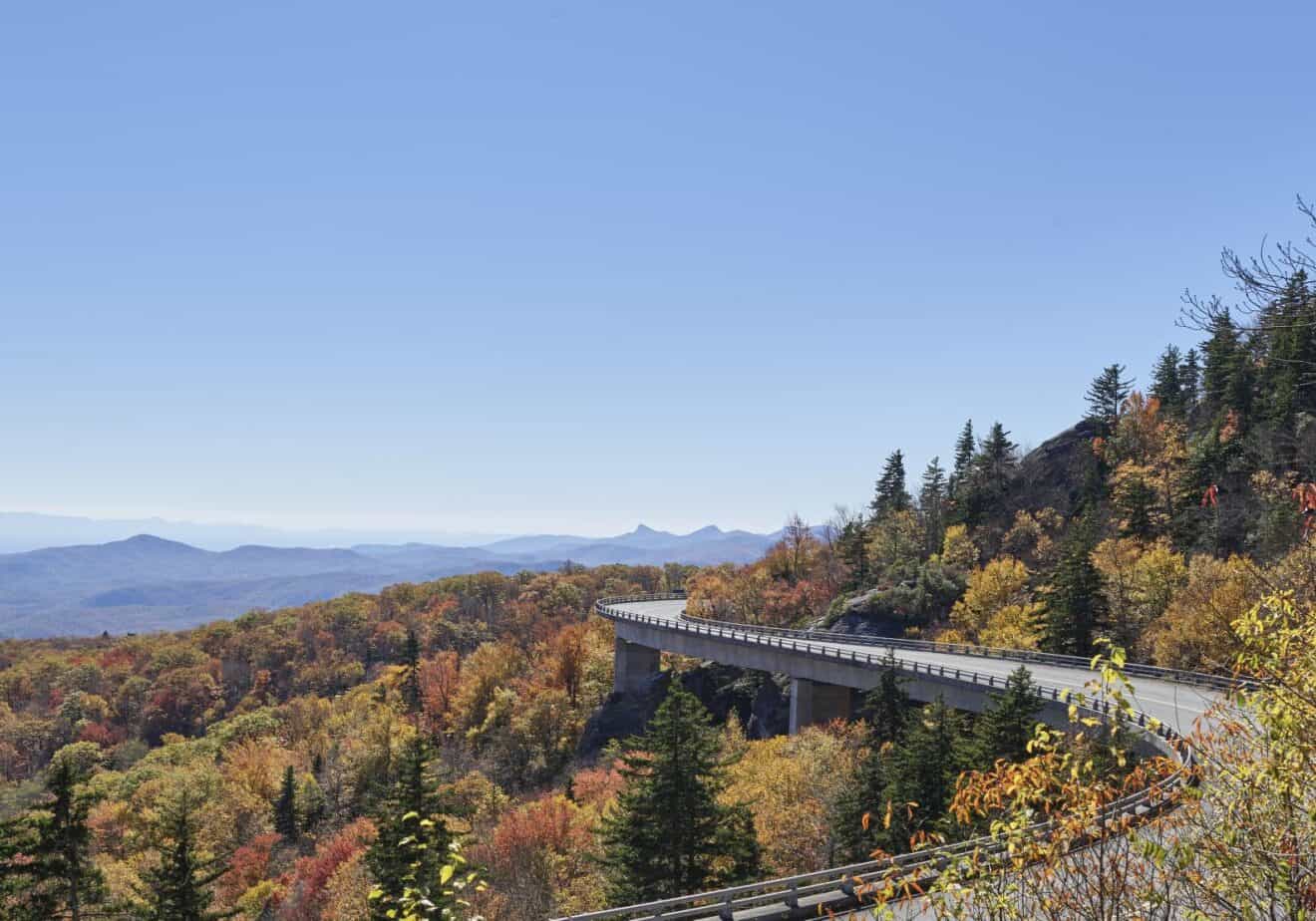
We all say the same thing the first time we see the Blue Ridge Parkway: "The view is incredible." The Blue Ridge Parkway, with its winding curves and postcard overlooks, offers some of the most stunning scenery in the eastern U.S. It's the kind of road that makes you slow down, roll down the windows, and breathe a little deeper. …
|
|
|
|
|
|
|
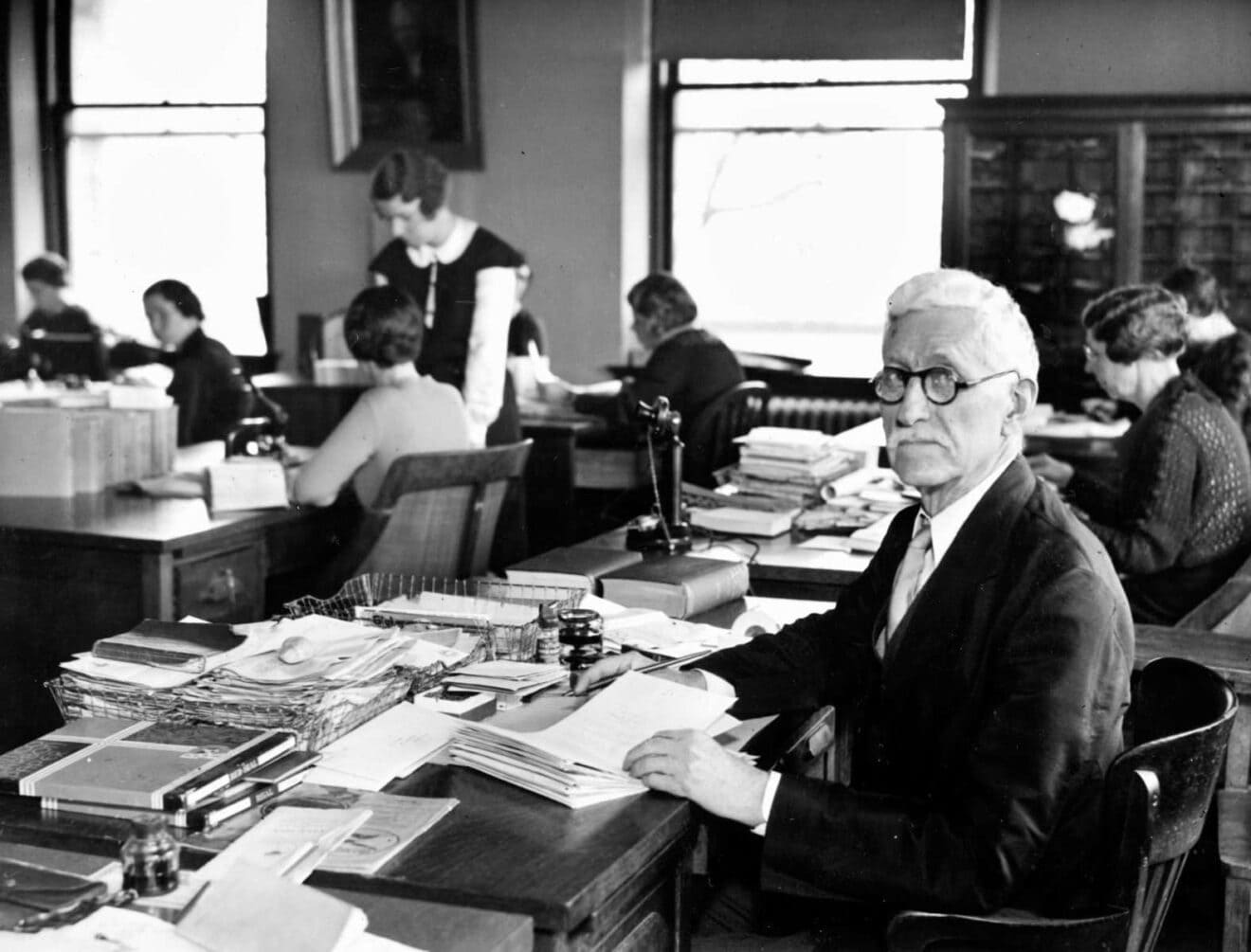
In Jim Crow Virginia, the power of a single piece of paper could decide your future—or erase your past. In 1924, the Commonwwealth of Virginia passed a law that tried to nail down something as messy and human as race using bureaucratic language and the force of law. One drop of the wrong blood, and you weren’t white anymore. Just …
|
|
|
|
|
|
|
Well, that's it for this edition. I hope you enjoyed it. If you would like me to cover a particular topic, drop me a line at the address below. And don't forget to "like" our Facebook page.
|
|
 
|
|
|
|
|
|
Copyright Wayne Jordan 2025 All rights reserved
|
|
|
|
|
|