Appalachian Cabbage: Survival Between Harvest and Spring
An installment in our Appalachian Foodways series
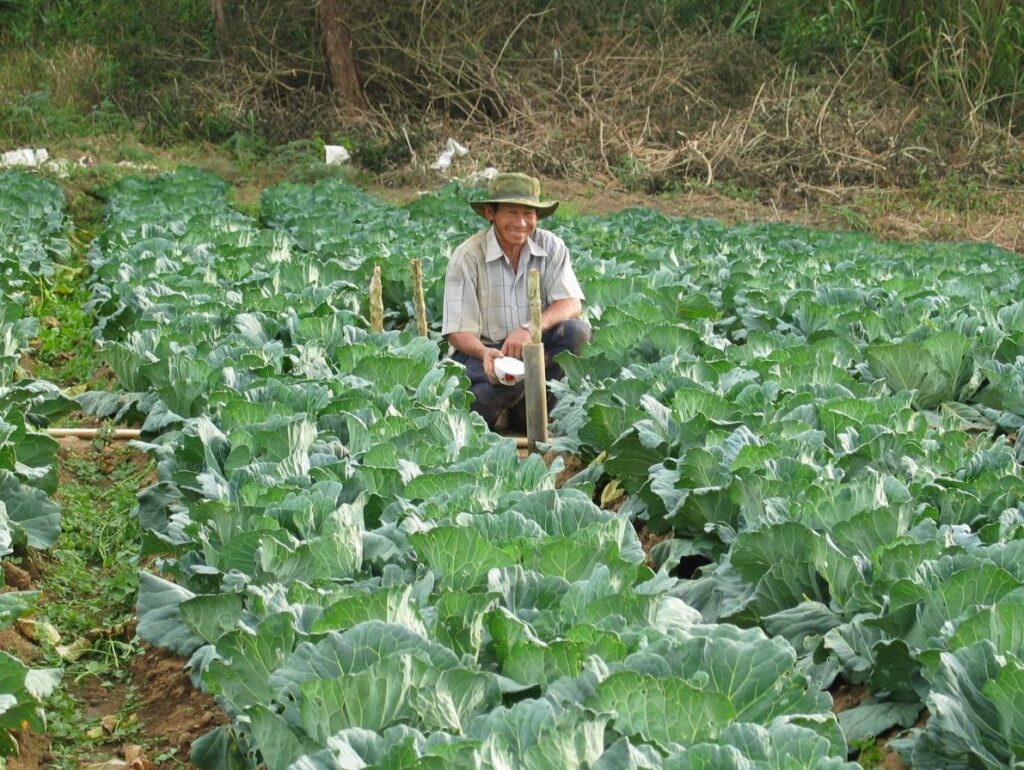
You step into the garden knowing the season is about finished.
The bean poles are bare now. A few dry pods rattle in the wind where the vines were pulled. Corn shocks lean along the fence, waiting their turn at the crib. The potato rows lie open and dark where the digging fork turned the soil.
Frost came two nights ago. It took the last of the tender plants. The garden feels quieter after that.
But one row still holds.
The cabbage heads sit low and tight against the ground, wrapped in heavy leaves that shrug off the cold. You press a thumb against one and feel the firmness inside. Good weight. Still sound.
Most of the harvest is already put away, but these can stay a little longer. When the weather turns harder, you’ll cut the rest and carry them down to the cellar.
For now, the Appalachian cabbage waits where it grew, holding the last fresh harvest between the end of the garden and the long months ahead.
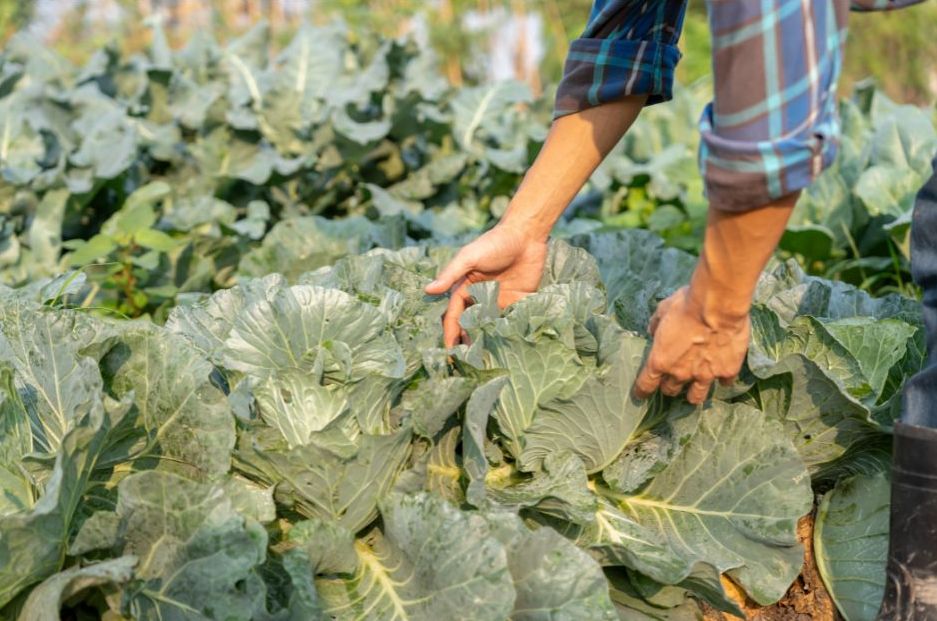
Appalachian Cabbage and the Winter Gap
Once the garden is cleared and the jars line the pantry shelves, the year changes shape. Meals begin to lean on what was saved.
Beans soak overnight before going into the pot. Cornmeal turns into bread or mush. Salt pork and fatback lend flavor to vegetables that have already seen their best days.
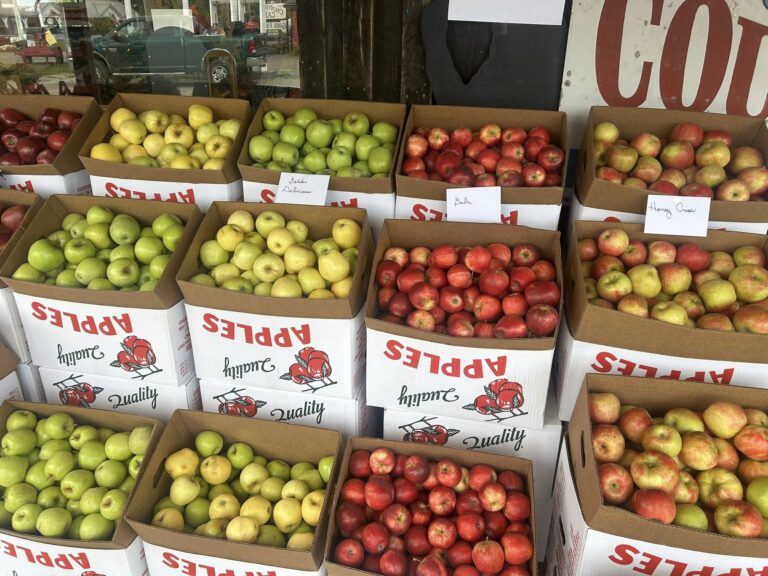
Fresh food becomes harder to come by. Potatoes and onions last a while. Apples shrink slowly in their bins. Tender greens disappear first.
That long stretch is where Appalachian cabbage found its place.
A wedge dropped into a pot of beans changed the meal. It added body to the kettle and took on the salt from the pork. Even a small piece softened the sharp edge of dried food.
Gardeners never needed to name the system. They simply knew cabbage helped carry the table through the narrowest part of the year.
Why Cabbage Worked in the Mountains
Mountain gardens favor crops that endure uneven weather and thin soil.
Cabbage grows low to the ground where wind does less harm. The plant forms dense heads that protect the inner leaves when temperatures dip. Autumn nights can turn sharp in the Blue Ridge, especially at higher elevations. Cabbage often holds when other vegetables fail.
The crop also fits the rhythm of small mountain gardens. Seedlings start early in the season and grow through the warm months. By the time summer vegetables slow down, cabbage heads are reaching their full size.
That timing mattered. When most crops were finished, cabbage was ready.
From Field to Cellar
When colder weather settled in, the remaining heads came out of the garden.
The outer leaves stayed on. A short stem remained at the base. Durability mattered more than appearance.
Many families stored cabbage in a root cellar where the surrounding earth kept temperatures steady through the winter. The space stayed cold but rarely froze. Shelves, bins, and packed floors held vegetables gathered from the garden.
Heads were set apart so air could move between them. Some households hung plants upside down by the stem or root to slow spoilage.
As weeks passed, the outer leaves loosened and dried. Cooks peeled them away and used the firm layers beneath. A good head might last well into winter.
Appalachian Cabbage on the Winter Table
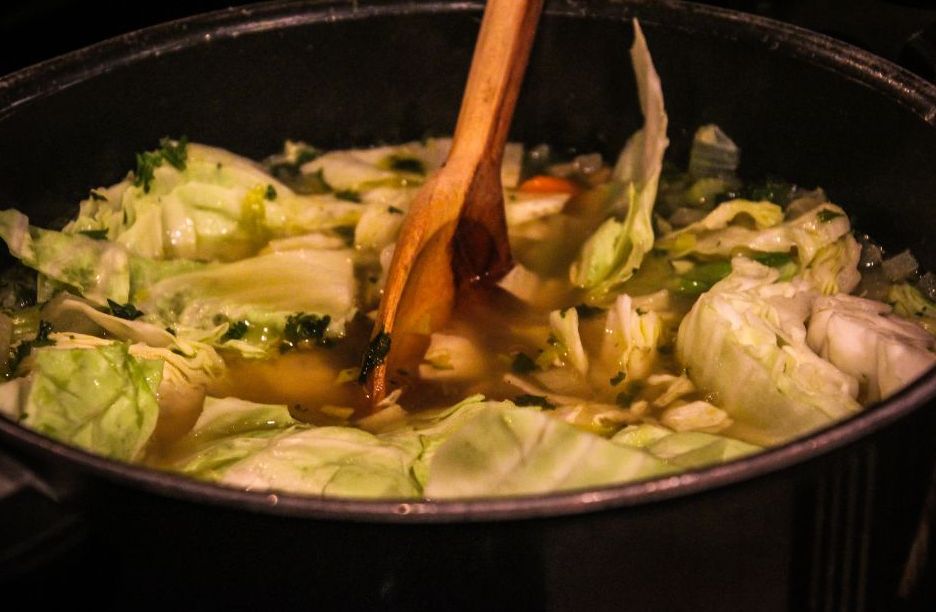
Cabbage rarely appeared by itself.
More often, it went straight into the pot with whatever else was cooking. A wedge might simmer beside salt pork while beans softened on the stove. Chopped cabbage joined stews where it thickened the broth and absorbed flavor.
Sometimes it was cooked with potatoes and meat in a simple boiled dinner. Other times it went into a skillet with leftover pork from the night before.
The vegetable did quiet work in those meals. One head could appear at several suppers before it was gone.
In kitchens where every ingredient mattered, that kind of reliability carried weight.
Fermentation and Kraut
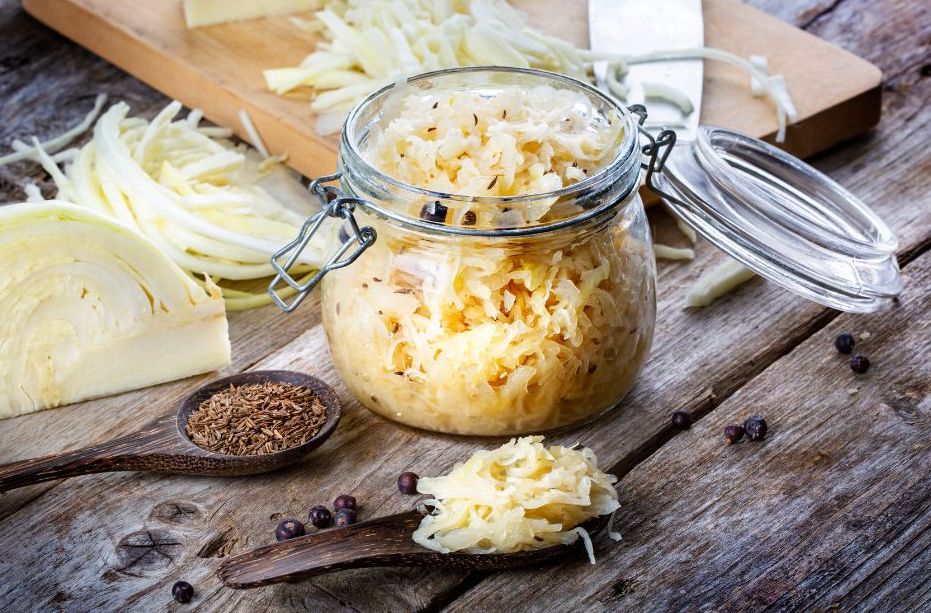
Some of the cabbage crop never went to the cellar shelf.
Instead, it went into crocks.
Heads were shredded, salted, and packed tightly into stoneware containers. Weight pressed the cabbage beneath its own liquid. Over time, the mixture fermented into sauerkraut.
The method required little equipment. Salt and patience did most of the work.
Sauerkraut added a sharp note to winter meals and paired well with pork. The practice appears most often in parts of Appalachia where German and Pennsylvania settlers influenced local cooking traditions.
Even households that did not make kraut understood the value of cabbage that could last deep into winter.
Not Luxury, but Insurance
Cabbage was never planted for novelty.
It was planted because it held its value after the garden season ended.
The heads were large and filling. They paired well with the salted meats that flavored winter cooking. A dependable crop meant one more vegetable still available when the cellar shelves began to thin.
That quiet dependability made cabbage part of the yearly plan.
What Survival Looked Like
Survival in the mountains rarely looked dramatic.
More often it meant steady planning. Gardens were planted with storage in mind. Cellars were filled before the ground froze. Meals relied on what could be kept through the cold months.
Appalachian cabbage fit easily into that pattern. It stayed useful when the garden was finished and the next planting season was still months away.
The mountains rewarded crops that endured. Cabbage proved that lesson year after year.
Return to the Garden
By late winter, the cellar shelves begin to thin.
Potatoes are nearly gone. Apples have long since been eaten or cooked down. One last cabbage head waits its turn on the shelf.
Soon it will go into the pot like the others before it.
Outside, snow begins to soften along the garden fence. Seed catalogs lie open on the kitchen table. Plans for the next planting season begin to take shape.
Before long, the rows will be turned again.
And when the garden is planted, Appalachian cabbage will find its place there once more, ready to carry another year from harvest toward spring.
More Foodways Stories
Explore the dishes, tools, and kitchen traditions that shaped mountain life on the Foodways page.
Appalachian Foodways Collection
Enjoying Blue Ridge Tales? I hope so. If you’d like to help keep the site ad-free and the stories rolling, you can buy me a coffee.
To stay connected, subscribe to my Blue Ridge Tales newsletter, and have stories and updates delivered once a month to your inbox.