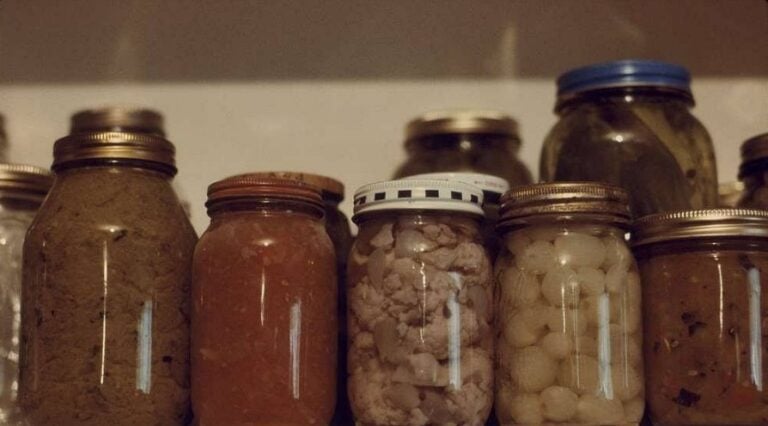
Appalachian Root Cellars: Why Winter Food Lived Underground
An installment in our Appalachian Foodways series
The Door Beneath the House
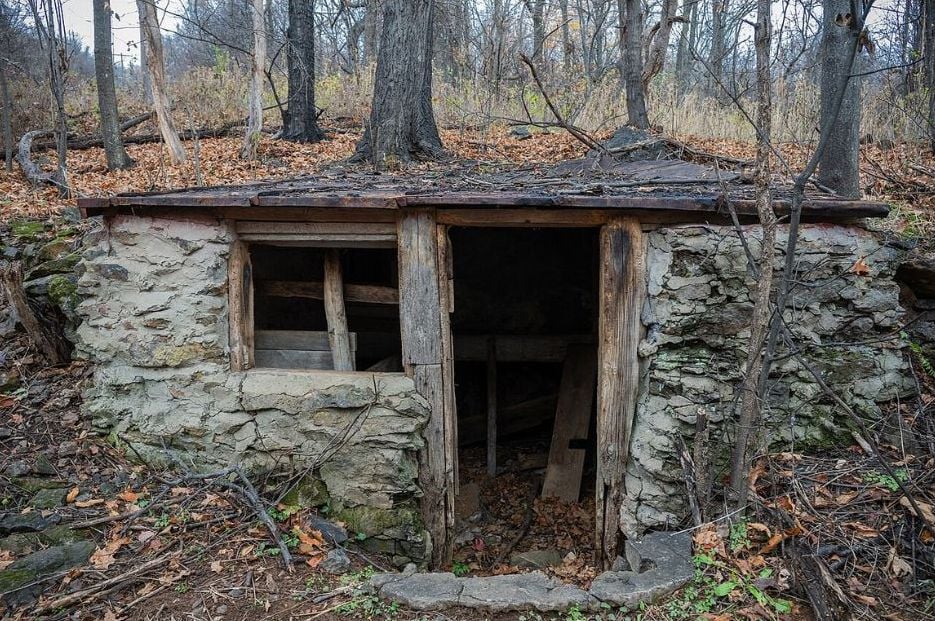
The door sat low to the ground beside the back steps. Most days it stayed shut, its boards dark from years of weather. In winter, it opened often.
Someone lifted the latch and the door scraped softly against the dirt. Cold air rolled up the steps before anything could be seen below. A narrow set of wooden stairs dropped into the earth.
Down there, the light stayed dim even at midday. Shelves ran along the wall, rough boards resting on fieldstone. Crates of potatoes filled the lower racks. Apples sat in shallow boxes. A few heads of cabbage waited near the back where the air stayed coolest.
A person stepped down, chose what the kitchen needed, and climbed back out again. The door closed. The yard looked ordinary once more.
Across the mountains, spaces like this worked quietly beneath houses and hillsides. Appalachian root cellars kept the harvest steady when winter took the garden away.
Why Winter Storage Mattered
By late fall, the garden had already given what it could. Beans were dried and shelled. Corn hung in the crib. Potatoes, cabbage, turnips, and apples were carried in from the last harvest. What remained in the ground would soon freeze.
Winter in the mountains closed the garden for months. Once the hard frosts settled in, fresh vegetables disappeared from the table unless they had been stored earlier. Families couldn’t depend on regular trips to a market. Many communities were far from town, and winter roads could turn rough or impassable.
That made the fall harvest more than a busy season. It was the moment when the year’s food supply moved indoors.
Root crops held one advantage that the others didn’t: they were built to store energy for the plant itself. Potatoes, carrots, turnips, and beets carried their own food supply underground so the plant could survive winter and grow again in spring. Kept cold and dark, those vegetables slowed down rather than spoiling.
The cellar took advantage of that natural design. It stretched the harvest until spring gardens began again.
What Root Cellars Actually Were
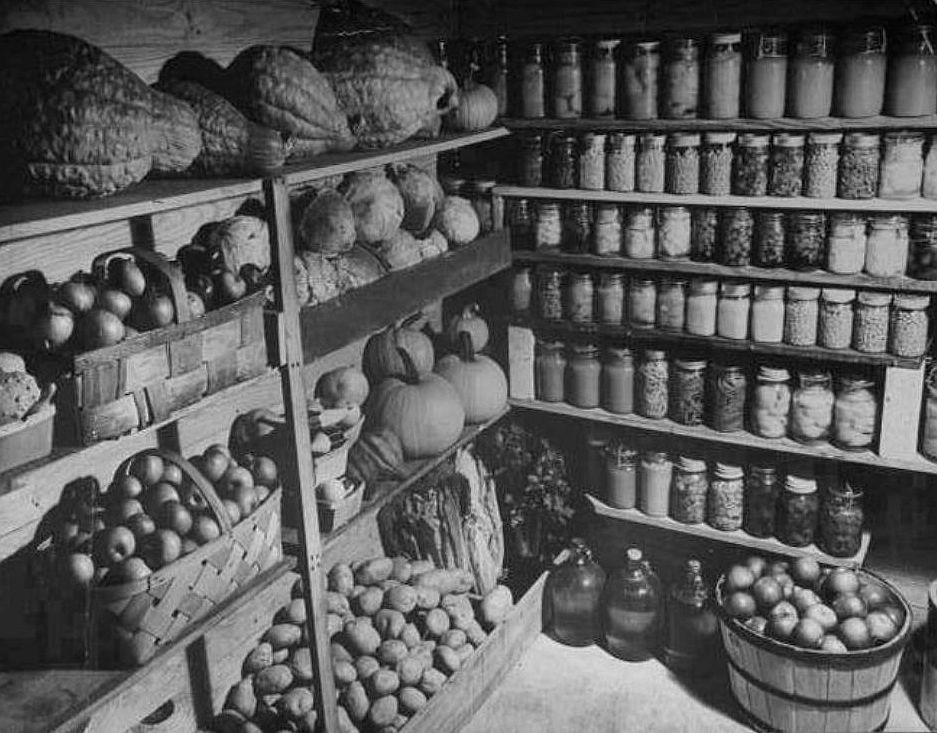
A root cellar was simply a cool room surrounded by earth. In the mountains, it might be dug into a hillside, built beneath a house, or set just beyond the yard with a door at ground level. The surrounding soil did most of the work.
Earth holds a steady temperature once you get below the surface. In summer, it stays cool. In winter, it protects food from freezing. That natural insulation kept a cellar within a narrow range, slowing spoilage without turning vegetables to ice.
Most cellars were plain spaces. Stone or packed dirt walls supported the ground outside. Wooden shelves held baskets, crates, or crocks. A small vent pipe or narrow window allowed a slow movement of air. Too much airflow dried the vegetables. Too little allowed rot to spread.
Nothing about the design looked elaborate. The effectiveness came from the location. Surrounded by soil and shielded from sunlight, the cellar created the cool conditions winter storage required.
What Lived in Root Cellars
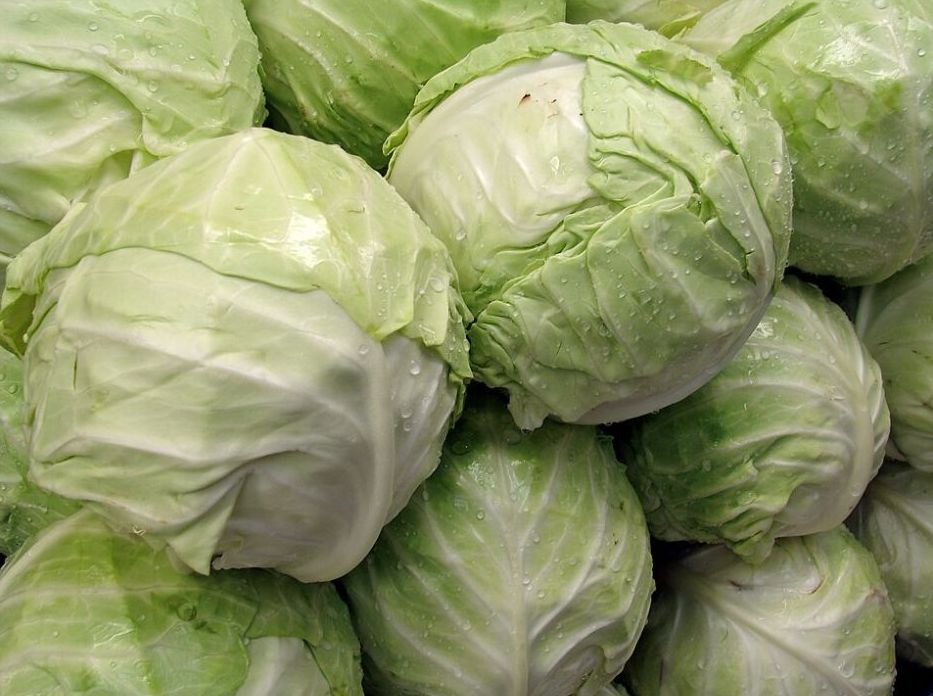
A cellar shelf rarely held just one thing. The fall harvest arrived in waves, and each crop found its place underground.
Potatoes usually filled the lowest crates. They preferred the coldest part of the room and often lasted through most of the winter. Nearby sat baskets of turnips and carrots packed in sand or loose soil to keep them from drying out.
Cabbage rested on open shelves or in shallow bins. Whole heads kept well if the outer leaves stayed intact. Families cut from them as needed, carrying a head upstairs for stewing, frying, or adding to a pot of beans.
Apples claimed another corner. Some were separated within boxes to keep bruises from spreading. Others lay in simple bins where they slowly disappeared through the winter months.
Onions sometimes hung from rafters or rested in mesh sacks where air could move around them. The goal wasn’t perfect order. It was keeping each crop in the conditions it preferred.
Together, those shelves formed a quiet inventory of the fall garden. Potatoes for the pot. Cabbage for the skillet. Apples for the table. The cellar held them steady while winter moved across the mountains above.
The Quiet System of Winter Food
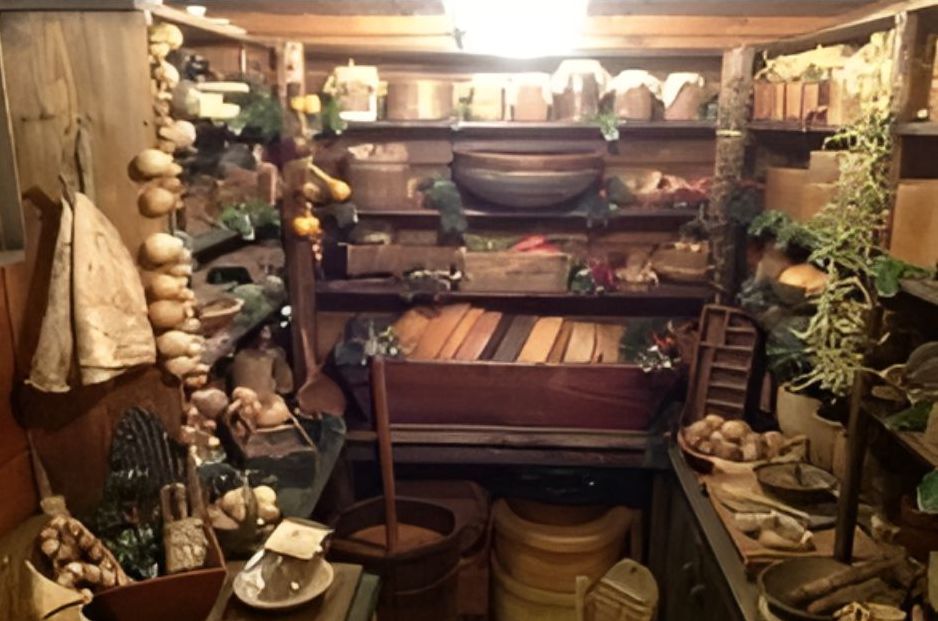
The cellar wasn’t a place where food sat untouched. It was part of the kitchen’s daily rhythm.
Each trip downstairs matched what the stove needed that day. A basket of potatoes might come up for a pot of beans. A head of cabbage could turn into skillet cabbage beside cornbread. Apples filled pies, dried slowly near the stove, or were eaten one at a time through the winter weeks.
The supply changed gradually as the season moved along. Apples usually disappeared first. They bruised easily and were eaten while still crisp. Cabbage held longer if the heads stayed cool and intact. Potatoes often lasted the longest, carrying families through the final cold weeks before spring planting.
The storage process was steady and deliberate. Families knew how much food remained and adjusted meals accordingly. A cellar that remained well stocked allowed the winter kitchen to keep working without interruption.
By the time seed catalogs began appearing and the ground softened for planting, the shelves below the house were nearly bare. The cycle was ready to begin again.
Not Every Home Had One
Root cellars were common in the mountains, but they weren’t universal. Some families worked with what their land or house allowed.
A cool basement sometimes filled the same role. Stone foundations held lower temperatures than the rooms above and could keep vegetables from freezing if the winter stayed moderate.
Springhouses served a similar purpose where a steady flow of cold water ran near the house. The cool air around the spring helped preserve milk, butter, and sometimes vegetables.
Other households relied on simpler methods. Potatoes and turnips might be buried in shallow pits and covered with straw and soil. A barrel set against a north-facing wall could hold apples through the early winter. Storage sometimes happened in barns or sheds where temperatures stayed low but out of the wind.
Why Root Cellars Disappeared
Root cellars didn’t vanish all at once. They just became less necessary.
Electric refrigeration began reaching rural communities in the early twentieth century. Once a household had a refrigerator, vegetables and leftovers could be kept safely inside the kitchen. Cold storage no longer required a trip outside or down a set of stairs.
Food distribution changed as well. Improved roads and regular grocery shipments enabled the purchase of fresh produce year-round. Families no longer depended entirely on what their own gardens produced in the fall.
Home gardens themselves grew smaller in many places. As wage work replaced full-time farming, fewer households raised enough vegetables to justify the cost of large underground storage.
The cellars remained. Many still sit beside old houses or cut into hillsides across the mountains. Some hold tools now. Others have collapsed or filled with soil. Their purpose faded when the food system around them changed.
The Last Potatoes
By late winter, the cellar shelves usually looked different than they had in October.
The apple boxes were empty. Only a few onions might remain hanging from a nail. Potatoes sat in the last crate at the back of the room, waiting for the next trip upstairs.
Someone carried up a basket and shut the door behind them. Outside, the ground had begun to soften. Seed catalogs arrived in the mail. Garden plans took shape around the kitchen table.
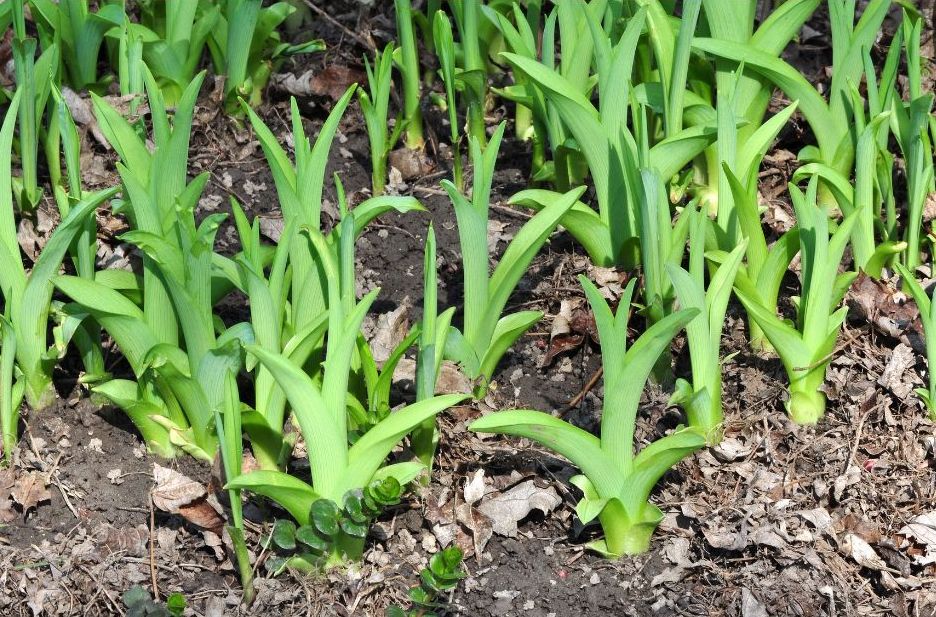
Before long, the cellar would stand nearly empty, its job finished for the season. Outside, the first greens would soon appear in the garden beds. By the time new potatoes pushed up through the soil, the shelves below the house were ready to receive another harvest.
That quiet cycle carried Appalachian kitchens through winter for generations.
More Foodways Stories
Explore the dishes, tools, and kitchen traditions that shaped mountain life on the Foodways page.
Appalachian Foodways Collection
Enjoying Blue Ridge Tales? I hope so. If you’d like to help keep the site ad-free and the stories rolling, you can buy me a coffee.
To stay connected, subscribe to my Blue Ridge Tales newsletter, and have stories and updates delivered once a month to your inbox.