Blue People of Kentucky: A Gene Pool in a Teacup
An installment in our Appalachian History and Culture series

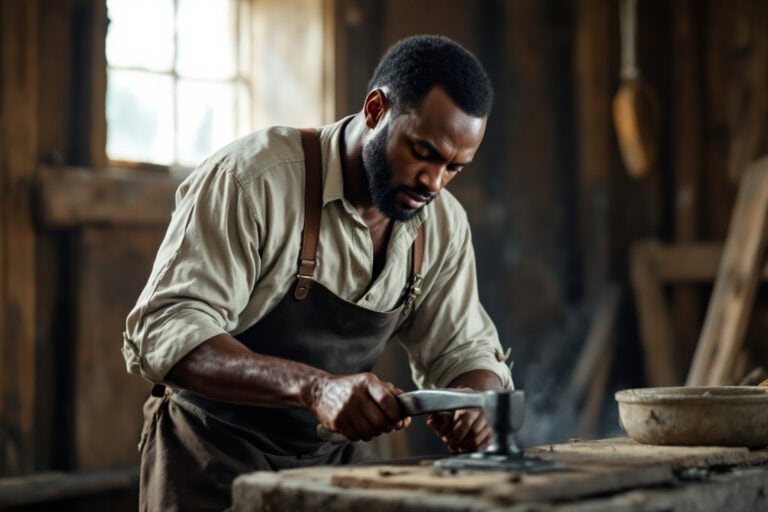
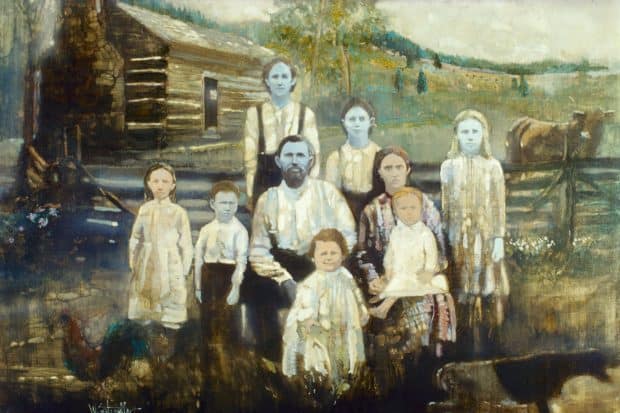
A baby born blue was nothing new on Troublesome Creek. Neighbors had seen it before. The midwife knew the color would fade in a few days for some, but not for others. For certain families in this corner of eastern Kentucky, blue skin wasn’t a sign of sickness. It was a sign of kinship. The Blue People of Kentucky lived in these hollers for generations, carrying a rare genetic trait that gave their blood—and sometimes their entire bodies—a blue cast.
Setting the Stage: Life in the Kentucky Hollers
In the early 1800s, the mountains of eastern Kentucky held communities as self-contained as islands. Steep ridges and muddy creeks slowed travel to a crawl. A trip to town meant riding a mule or walking miles on foot. Most families stayed close to home, farming small plots, trading with neighbors, and marrying within the community.
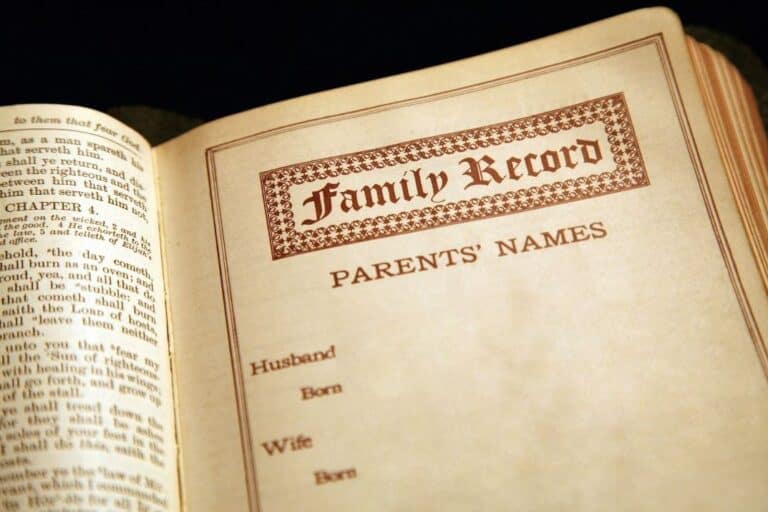
That’s the world Martin Fugate stepped into around 1820. He’d come from France, a newcomer in a place where surnames were few and kin ties ran deep. He married Elizabeth Smith, a fair-skinned redhead from a nearby family. Both carried the same rare recessive gene, though they had no way of knowing it.

The Science Behind the Blue Hue
What the Fugates passed on to their children is known today as hereditary methemoglobinemia. Laymen call it blue blood syndrome. It’s a condition where the blood contains higher-than-normal levels of methemoglobin—a form of hemoglobin that doesn’t carry oxygen well. People normally have less than one percent of it. The Fugates and their blue-skinned descendants had ten to twenty times that amount.
It’s the same reason blood from these individuals, when drawn, looked chocolate brown instead of bright red. The skin, in turn, could take on a deep bluish tint. Health effects were mild. Most could live normal lives. The unusual color was simply the visible result of a hidden gene.
Think of it like a coin toss. Two carriers could have children without the condition, or they might pass the gene along from both sides, leading to a blue-skinned newborn. In the Kentucky hollers of the 19th century, where cousins often married cousins, that coin came up blue more often than chance would predict.
Generations in a Closed Gene Pool
Through the 1800s and into the 1900s, isolation kept the trait alive. The Fugates’ children married into neighboring families, some of them related by blood. The gene traveled quietly along these family lines.
Stories from the area describe entire branches of the family with a dusky-blue complexion. Neighbors treated it as a curiosity, not a scandal. Blue skin might draw a second glance from a stranger, but in the hills around Troublesome Creek it was just part of the landscape.
Cracking the Mystery: Dr. Cawein’s Search
By the 1960s, paved roads and easier travel began to connect eastern Kentucky to the wider world. With that came more curiosity from outsiders. Nurse Ruth Pendergrass, who worked in a clinic in Hazard, remembered the first time a blue-skinned patient walked in. She thought the man was suffocating until she realized he was in no distress.
She mentioned the encounter to Dr. Madison Cawein III, a hematologist at the University of Kentucky. Intrigued, Cawein made trips into the mountains to track down affected families. He tested their blood and traced their genealogy, confirming the cause: a deficiency in the enzyme diaphorase, which helps convert methemoglobin back to its oxygen-carrying form.
Cawein also tried an unusual treatment. He gave patients methylene blue—a dye that, paradoxically, could restore normal color by chemically reducing methemoglobin. Within minutes, the blue skin would turn pink. The effect lasted for a short time, but it proved the diagnosis.
The Last of the Blue Children
The most famous modern case came in 1975, when Benjamin “Benjy” Stacy was born with striking blue skin. His family was descended from the Fugates, and doctors quickly recognized the condition. Within days, his color faded. As he grew, only his lips and fingertips would turn bluish in cold weather or during stress.
By then, the gene had begun to vanish from the region. Improved transportation, more varied marriage patterns, and modern medical awareness diluted the once-isolated family pool. The days of seeing an entire household with blue skin were over.

Reflection: From Folklore to Medical Case Study
For more than a century, the Blue People of Kentucky were part of local lore—a story told to visitors and passed down with a mix of pride and intrigue. Modern science gave the tale a name, an explanation, and a place in medical textbooks. But the fascination remains.
Their story is more than a medical footnote. It’s a reminder of how geography, family ties, and chance can shape lives in ways both ordinary and extraordinary. Ultimately, the Fugates’ legacy isn’t just about a rare condition. It’s about the curiosity their blue skin inspired, the questions it raised, and the fact that in these mountains, even the rarest things could feel like home.
More Appalachian History & Culture
Find more stories from the region’s past on the History and Culture page.
Appalachian History and Culture Collection
Enjoying Blue Ridge Tales? I hope so. If you’d like to help keep the site ad-free and the stories rolling, you can buy me a coffee.
To stay connected, subscribe to my Blue Ridge Tales newsletter, and have stories and updates delivered once a month to your inbox.