Blue Ridge Hayfields: Hey, There’s a Story in Those Rolls
An installment in our Blue Ridge Travel series.
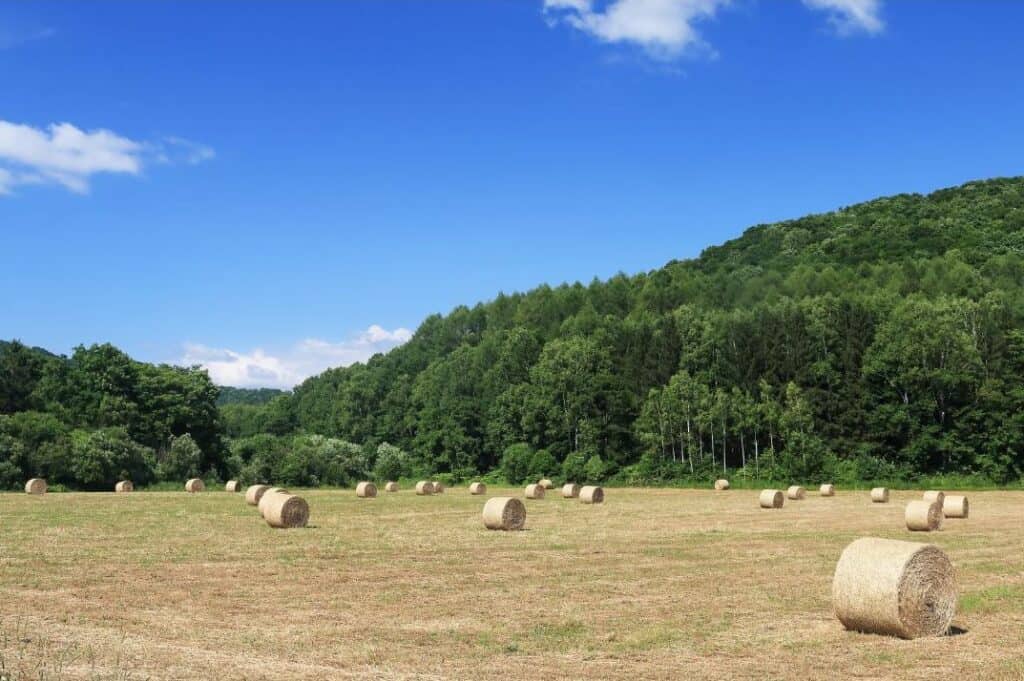
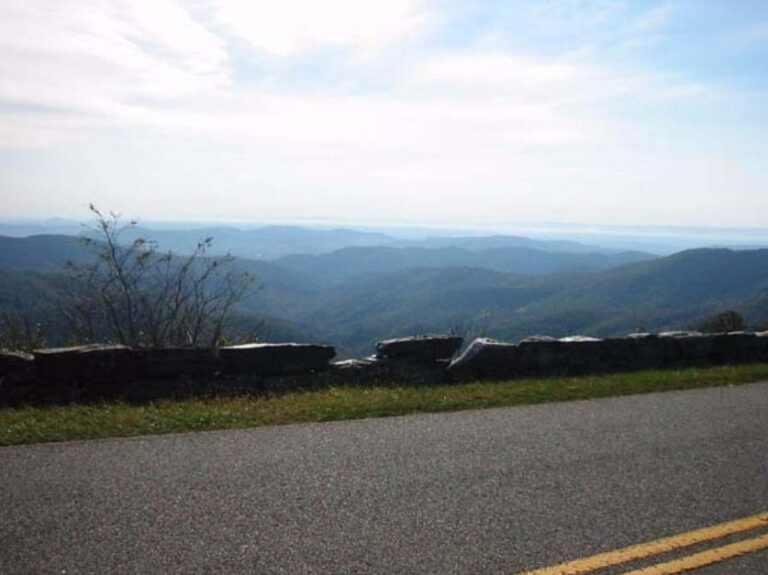
I love driving the Blue Ridge Parkway. Early on an autumn morning there’s a mist in the air and sunlight sparkles off the freshly mowed hayfields where round bales wait in the dew. Visitors congregate at the overlooks. They take in the horizon, nod at the quiet, then turn their cameras toward those giant rolls as if the hay might perform on cue. Someone wonders if the bales feed horses or cattle. Someone else wonders why the bales are round rather than rectangular. It happens every summer and fall: Blue Ridge hayfields blend into the scenery until a fresh cut turns them into a roadside attraction.
Why Blue Ridge Hayfields Draw So Much Attention
The draw is simple. These fields sit close to the pull-offs. Travelers expect sweeping vistas. They don’t expect bales scattered across open meadows like oversized Shredded Wheat biscuits. The surprise makes them look twice. The truth sits a little deeper. Many of the hayfields along the Parkway are active agricultural leases. Farmers cut and bale them under agreements that help preserve the open views people come to enjoy. The work also supports livestock operations in the region. None of it is done for show, yet the scene often feels staged for anyone who steps out with a camera.
A Working Landscape Hidden in Plain Sight
A field in this climate changes fast if left alone. Grasses thicken. Blackberry tangles creep in. Saplings push upward. In a few seasons, the view fades behind a wall of growth. Haying slows that march. Cutting and baling keep the landscape open and recognizable. The result is a place that looks natural even while it depends on steady, practical work. Farmers gain winter feed. The Park Service maintains the historic look of the land without heavy intervention. Blue Ridge hayfields endure because both sides value the same outcome: open space that feels honest to the mountains.
How Hay Fits into Mountain Culture and Daily Life
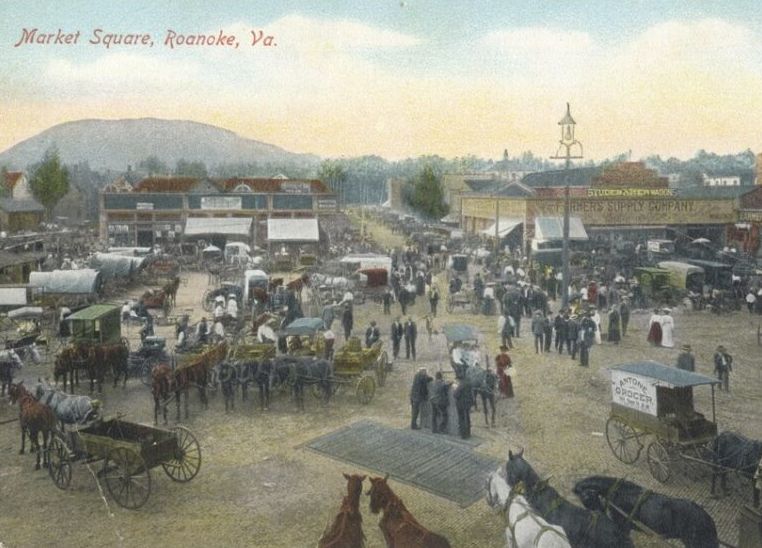
Hay has shaped mountain life for decades. Corn once took center stage. Families relied on the grain and fed the stalks to their animals. Over time, the region shifted toward hay and pasture as cattle operations grew. Hay stores well and carries animals through winter when grass goes dormant. Before modern balers, families cut fields with scythes and hauled the crop by hand. The work took long hours and every able set of hands. Neighbors helped when the load grew heavy. These gatherings, often called “bees,” offered a rare mix of labor and companionship. A full day in the hay tested patience, yet it kept farms running and tied families together.
What Travelers Really See in Blue Ridge Hayfields
The grasses in these fields aren’t random volunteers. Tall fescue dominates many meadows, including the durable Kentucky 31 variety. It handles cool elevations and stands up to repeated cutting. Orchardgrass takes root on slopes with partial shade. Timothy appears in fields that suit its needs. During hay season the scent alone tells the story. Fescue carries a sharp, clean note. Orchardgrass has a softer sweetness. On warm days, those scents drift across overlooks long before visitors spot the bales.
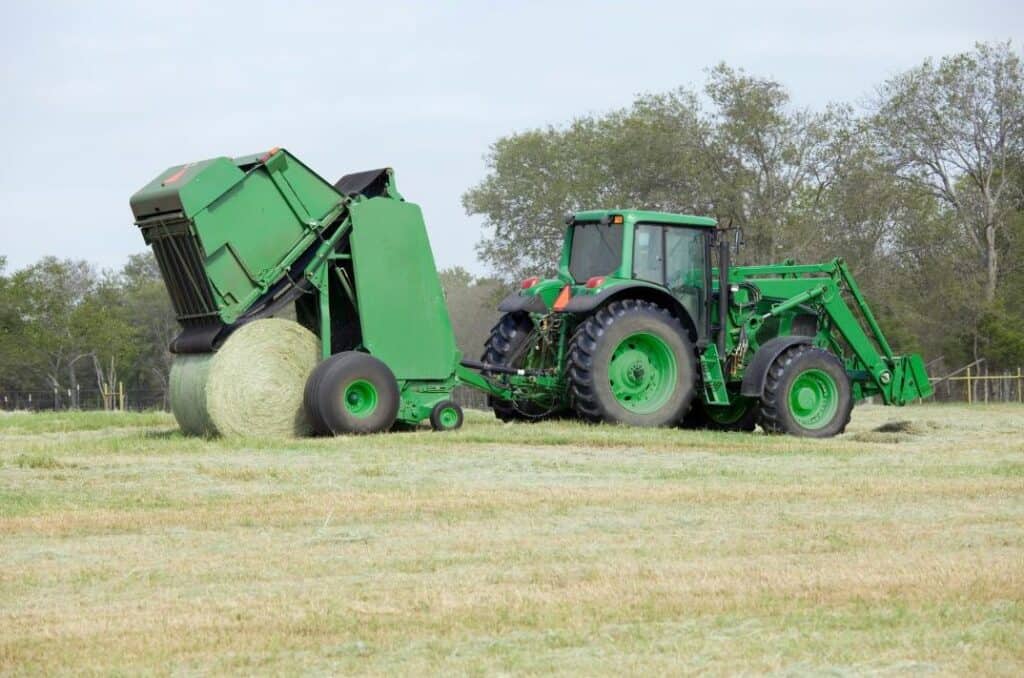
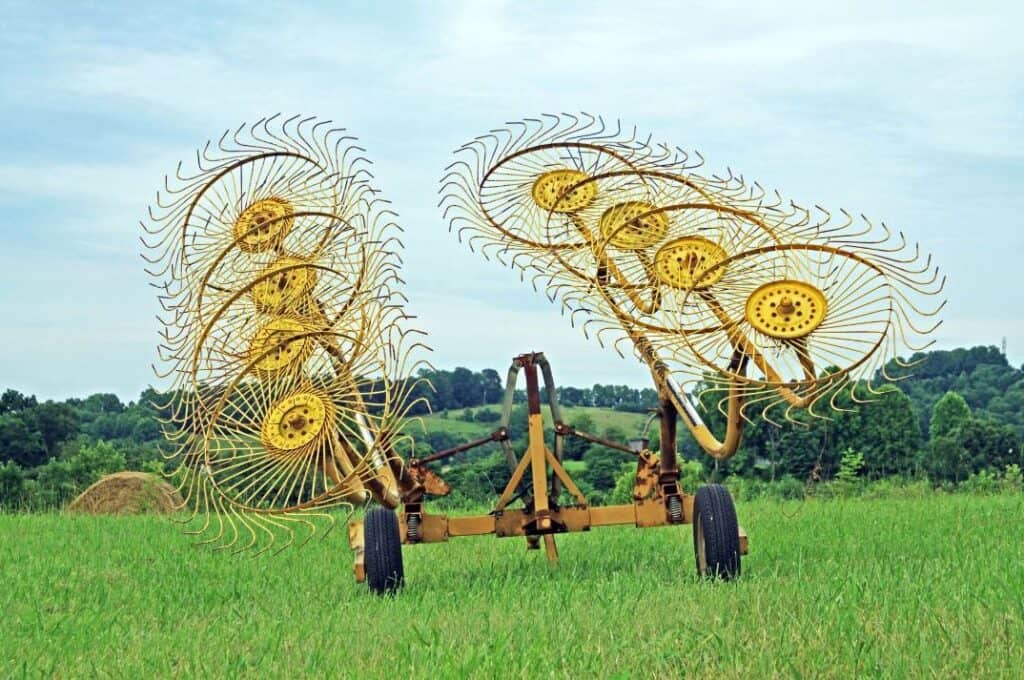
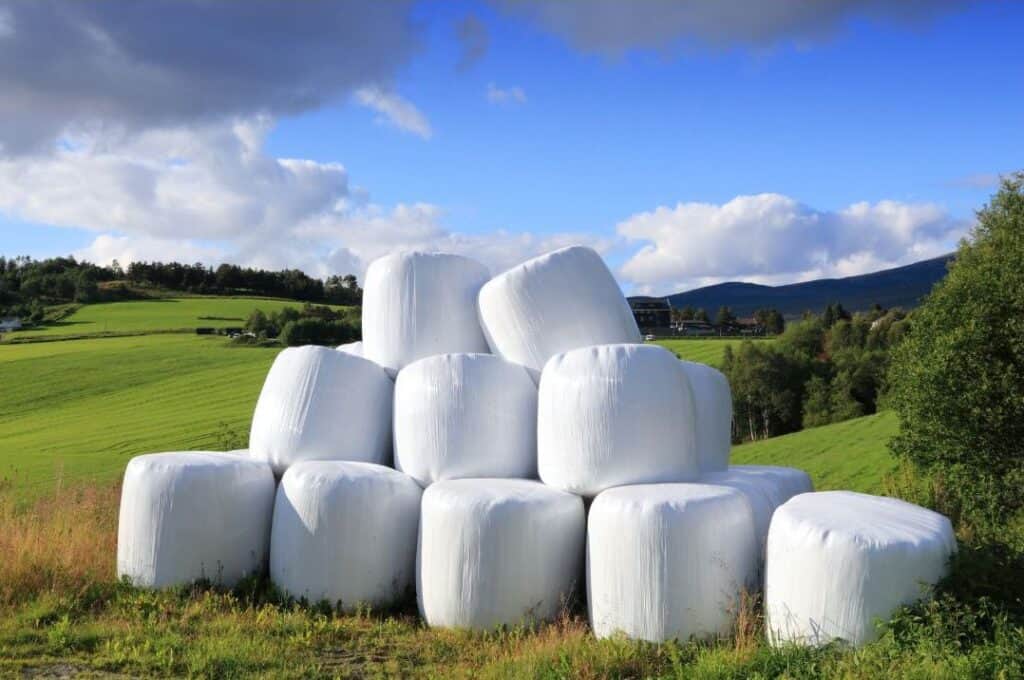
Farmers cut these fields twice each year, usually in June and again in September when the weather cooperates. Once the dew lifts, the mower lays the crop down. A tedder fluffs the cut grass so the sun can reach it. Raking draws the dry hay into windrows. The baler finishes the job. Round bales dominate the Parkway scene. Their size gives them presence. They sit in neat lines or roll into clusters, turning a simple field into something memorable for anyone passing through.
The Rhythm of Weather and Work Along the Parkway
Weather rules the entire effort. Hay needs dry days to cure. Dew must burn away before cutting begins. Farmers watch the sky with practiced caution because a single shower can delay the harvest. Storms rise fast in the mountains. A gray edge on the horizon can unsettle even an experienced hand. Earlier generations relied on other methods. Some stacked hay around a “hay pole” set in the ground. The practice worked well enough, though winter winds worked at the pile for months.
The Value These Fields Bring to the Parkway
Blue Ridge hayfields serve a wider purpose than most travelers realize. They preserve open space in a landscape that greens over quickly. They keep local farms supplied with forage. They also shape the visitor experience. People admire the rolling views because they stay open. When a farmer cuts a field, a historic scene comes back into focus. When the bales appear, they mark a moment that ties present work to older rhythms of life. These fields remain part of the region’s identity because they connect beauty, culture, and labor in a way that feels natural to the mountains.
A Final Look at the Hay in the Morning Light
By late afternoon, the visitors move on. The hay waits in the field, holding its place as the sun dips behind the ridge. Blue Ridge hayfields may seem ordinary, yet they carry the story of the people who have shaped this land. The work behind those rolls is quiet, steady, and rooted in the culture that built the region. On a drive through the mountains, the hay can slip into the background. When the light hits it just right, though, the story comes forward. Those rolls belong to the life of this place, fixed in the field and woven into the view that brings travelers back each year.
More Blue Ridge Travel
Find more travel stories, routes, and small-town stops on the Blue Ridge Travel page.
View the Blue Ridge Travel Collection here
Enjoying Blue Ridge Tales? I hope so. If you’d like to help keep the site ad-free and the stories rolling, you can buy me a coffee.
To stay connected, subscribe to my Blue Ridge Tales newsletter, and have stories and updates delivered once a month to your inbox.