Canning Sausage: How Mountain Families Kept Meat
An installment in our Appalachian Foodways series
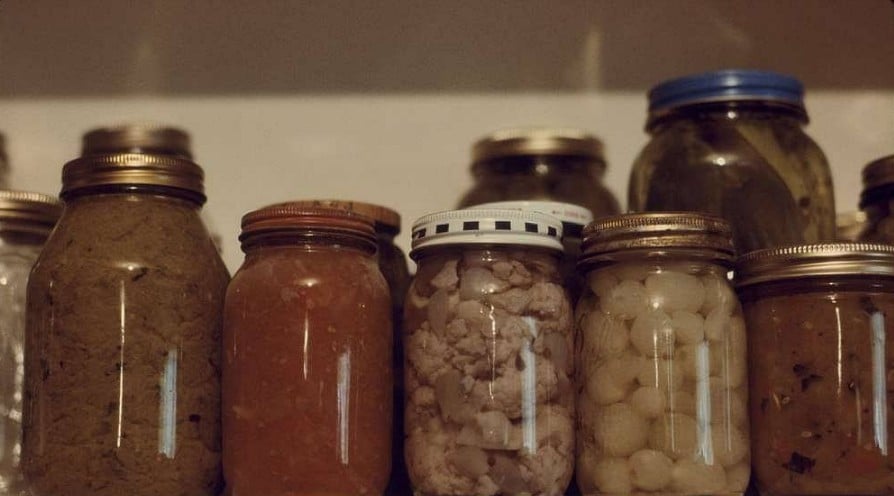
Before freezers reached mountain kitchens, canning sausage was a practical response to a stubborn reality. Ground meat didn’t keep the way whole cuts did. Once a hog was broken down, sausage became the most vulnerable part of the work. Families knew from experience that if it wasn’t handled promptly, it would spoil. Canning sausage allowed the meat to be preserved while the butchering continued.
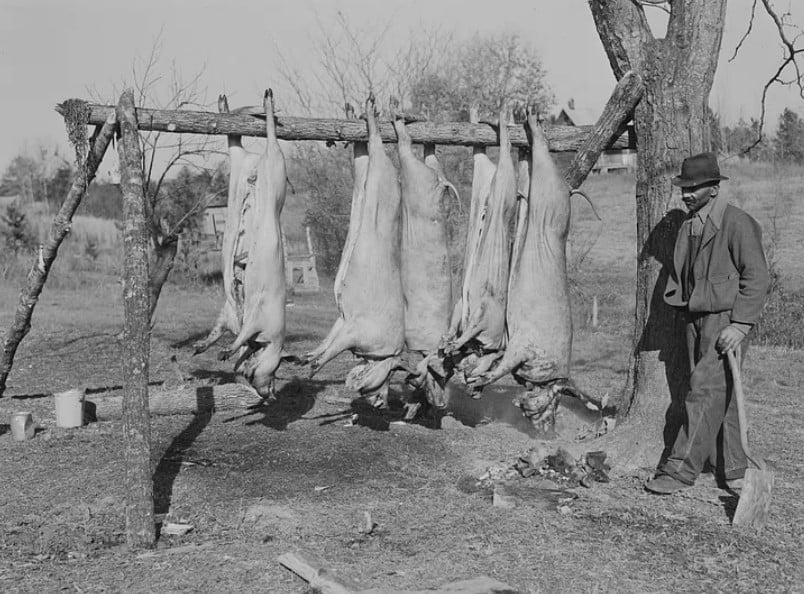
Hog killing usually happened after the first hard freeze, when cold weather made the work manageable. The cold helped, but it didn’t solve everything. Pork still required careful handling, and that plan almost always ended with jars.
Why Sausage Needed a Different Kind of Preservation
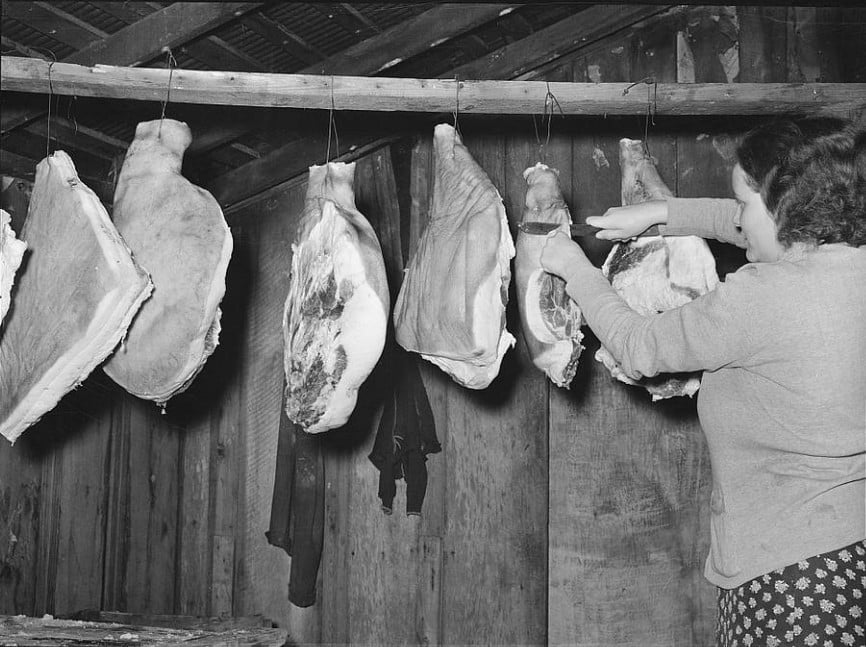
Hams and shoulders had options. They could be salted, cured, or smoked, and left to rest. Sausage didn’t allow for that kind of patience. Grinding increased exposure to air. Fat warmed easily. Together, those factors shortened the window for safe storage.
Canning sausage worked because it addressed those weaknesses directly. It removed air from the equation and stabilized the meat. Once sealed, sausage no longer demanded constant attention. It could sit on a shelf instead of competing for space on the table or time at the stove.
No one framed this as a special technique. It was simply the most reliable way to keep sausage from becoming waste.
Hog Killing Time and the Order of the Work
Hog killing followed an order shaped by experience. Larger cuts were handled first, since they could be cured or smoked without urgency. Sausage came later, after usable trimmings were gathered and ground.
By the time sausage entered the picture, most decisions had already been made. Seasoning followed familiar patterns. Browning served a clear purpose. It firmed the meat and rendered fat, making the sausage easier to pack and store. This wasn’t about cooking ahead. It was about preparing the meat for preservation.
Canning fit cleanly into that sequence. Once sausage was jarred, it no longer competed for attention. The work moved on.
Canning Sausage the Old Way: Sealed in Fat
Earlier methods relied on heat and fat rather than pressure. Sausage was browned, packed hot into jars, and covered completely with rendered lard. The jars were sealed and inverted while cooling.
As the fat hardened, it limited air exposure. Families trusted the method because they’d seen it succeed. Jars prepared this way filled cellars for generations, stored alongside vegetables and fruit put up the same season.
The method lasted because it produced consistent results under real conditions. What spoiled wasn’t repeated. What held became routine.
Canning Sausage Today: What Changed and Why
What changed was understanding, not intention. Meat is a low-acid food and requires higher temperatures for long-term storage to be safe. Pressure canners provide that heat. They reach levels older methods couldn’t reliably achieve.
Most modern canners still brown sausage first. That step remains practical. The difference comes afterward, when jars are processed under pressure to eliminate bacteria that survive lower temperatures.
This shift reflects improved knowledge of food safety. It doesn’t erase earlier practices. It explains why methods evolved while the goal stayed the same.
The Jar That Started a Meal
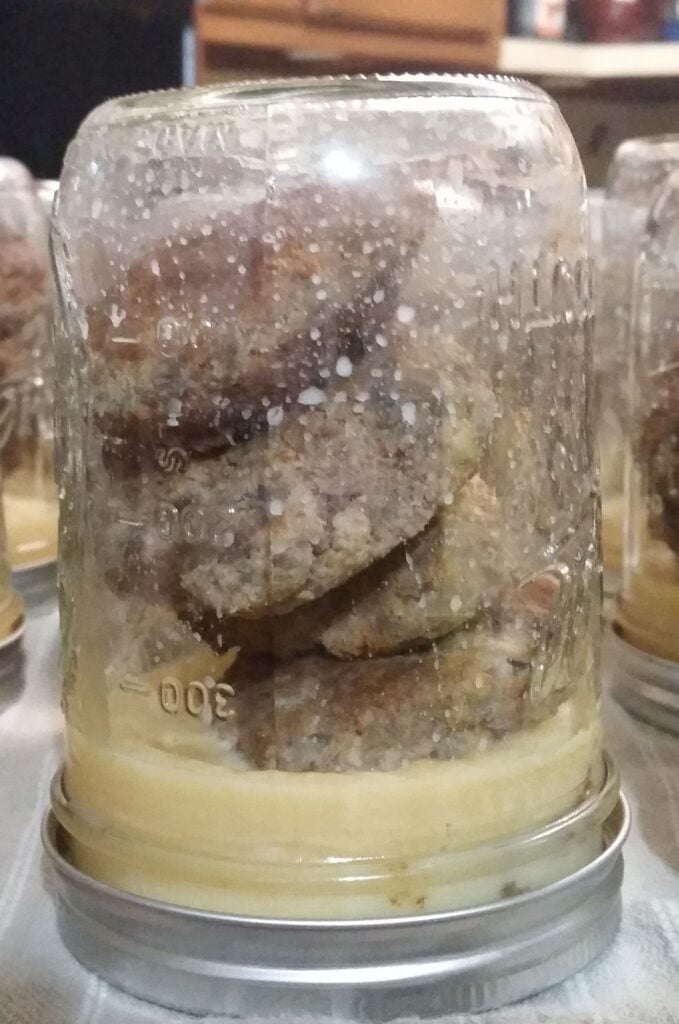
A jar of canned sausage offered more than preserved meat. When opened, the solid fat sat at the top, ready to use. Beneath it, the sausage had softened during storage. It crumbled easily and cooked quickly.
That combination made the jar useful in everyday cooking. Fat went into a skillet to start gravy. Sausage followed. Biscuits or cornbread finished the meal. One jar could stretch across more than one sitting, depending on need.
This is where canning sausage earned its reputation. It simplified cooking. It reduced uncertainty. It allowed meals to come together without planning ahead.
A cellar stocked with sausage jars signaled readiness. The work had been done when conditions allowed. Food was available when it was needed. Canning sausage wasn’t about preserving a tradition. It was about keeping meat usable, meals steady, and households prepared through winter.
That practicality is why the practice endured. It fit the realities of mountain life, and it solved a problem.
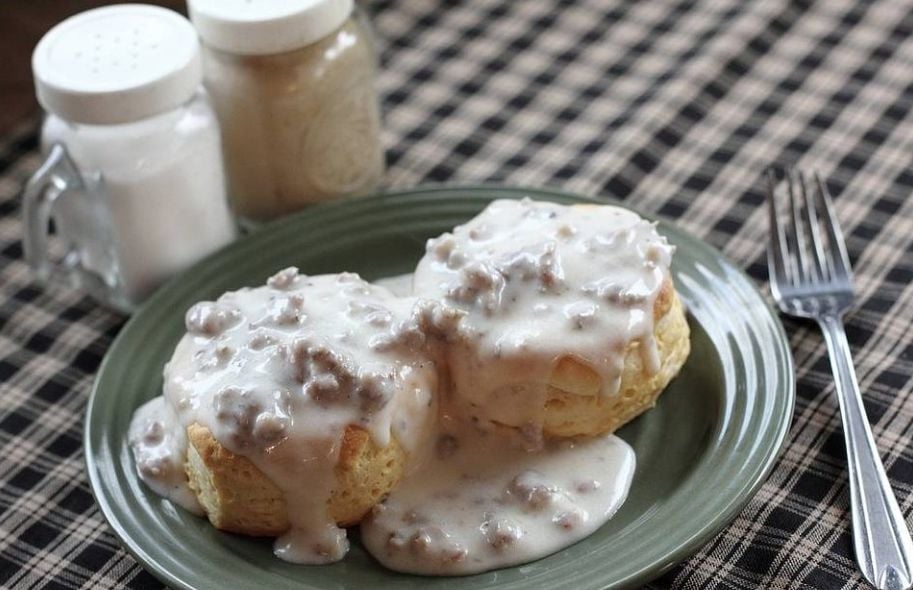
Why Canned Sausage Makes Better Gravy
Canned sausage handled differently in the pan. Time in the jar softened the meat and allowed the fat to settle. When the lid came off, the sausage broke apart easily.
The fat was already there and already rendered. It melted cleanly and coated the skillet evenly. What collected at the bottom of the jar carried salt and seasoning that had blended over time. Nothing needed adjusting. It behaved the way cooks expected it to.
Fresh sausage could make good gravy. Canned sausage made dependable gravy. It worked the same way every time, which mattered in kitchens where meals weren’t experiments and ingredients couldn’t be wasted.
That reliability is part of why canned sausage kept its place on cellar shelves, even as other methods came and went.
More Foodways Stories
Explore the dishes, tools, and kitchen traditions that shaped mountain life on the Foodways page.
Appalachian Foodways Collection
Enjoying Blue Ridge Tales? I hope so. If you’d like to help keep the site ad-free and the stories rolling, you can buy me a coffee.
To stay connected, subscribe to my Blue Ridge Tales newsletter, and have stories and updates delivered once a month to your inbox.