Dolly Sods: From Hessian Mercenary to Wilderness Legend
An installment in our Appalachian History and Culture series
Across the Atlantic
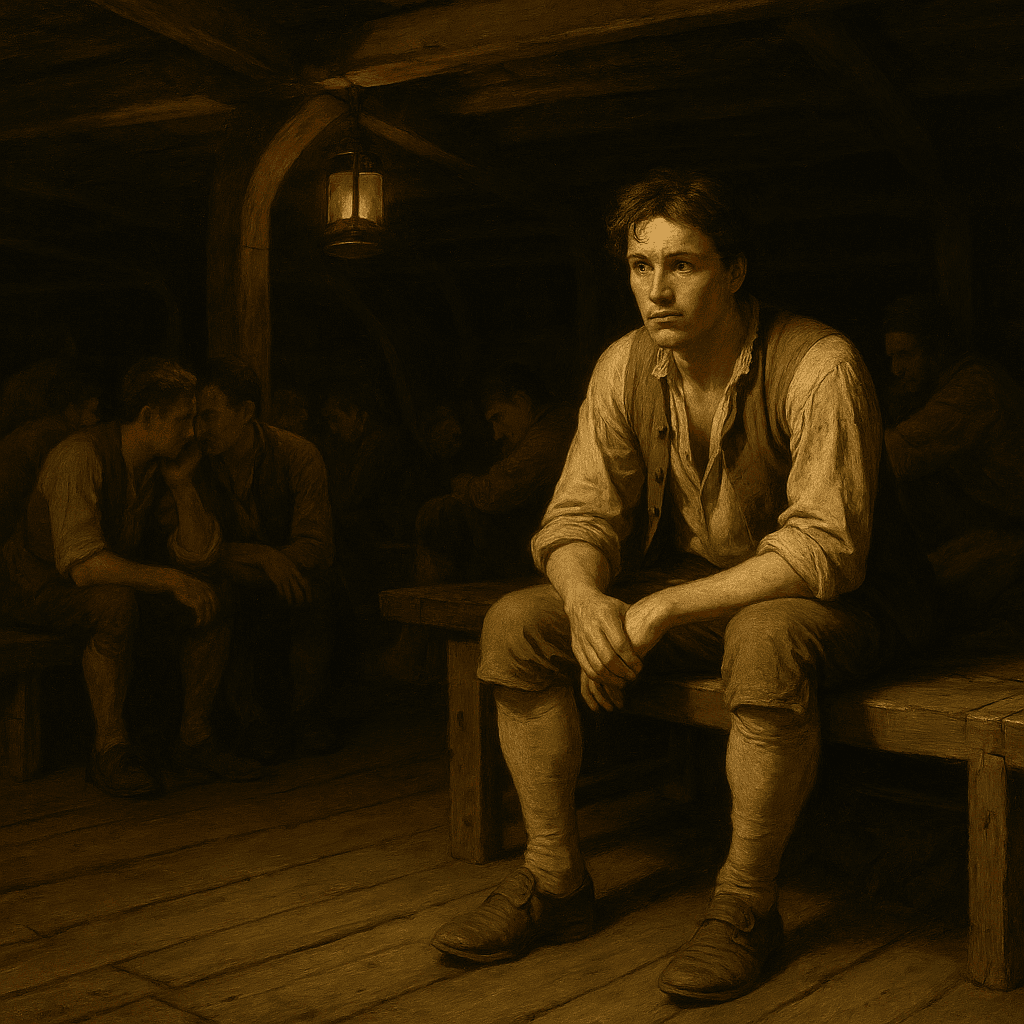
The ship pitched hard in the swells of the North Atlantic. Below deck, young Johann Dahle gripped the rough wood of his bunk and tried to steady his thoughts. He was twenty years old, a soldier-for-hire from Hesse, one of the small German states that had agreed to rent out regiments to Britain. He had grown up in a land of hard soil and narrow prospects, where most young men faced little future beyond the fields or the army. War, brutal as it was, offered a wage. Britain needed men to fight its rebellion in the American colonies. Dahle’s prince supplied them, and in return the treasury of Hesse was filled. For Dahle, that meant pay, rations, and the chance to send something home. He was not sailing for ideology or glory. He was sailing because service was survival.
Still, the cost weighed on him. The voyage was long, the sea unforgiving, and the stories of colonial fighting fierce. Men whispered of ambushes in endless forests and marches through mountains unlike anything in Europe. Death was not far-fetched. Some soldiers laughed it off, others stared at the planks of the ship as though they might already be coffins. What had Dahle left behind? A homeland of villages and fields hemmed in by lords, where service to the prince was expected. For those with few choices, war abroad was simply another harvest: dangerous work, but work nonetheless. Yet long after that voyage ended, and long after the war itself, Dahle’s story would remain in an unexpected place. His grave rests quietly in Germany Valley, West Virginia, but high above the valley, the land itself carries his name: Dolly Sods.
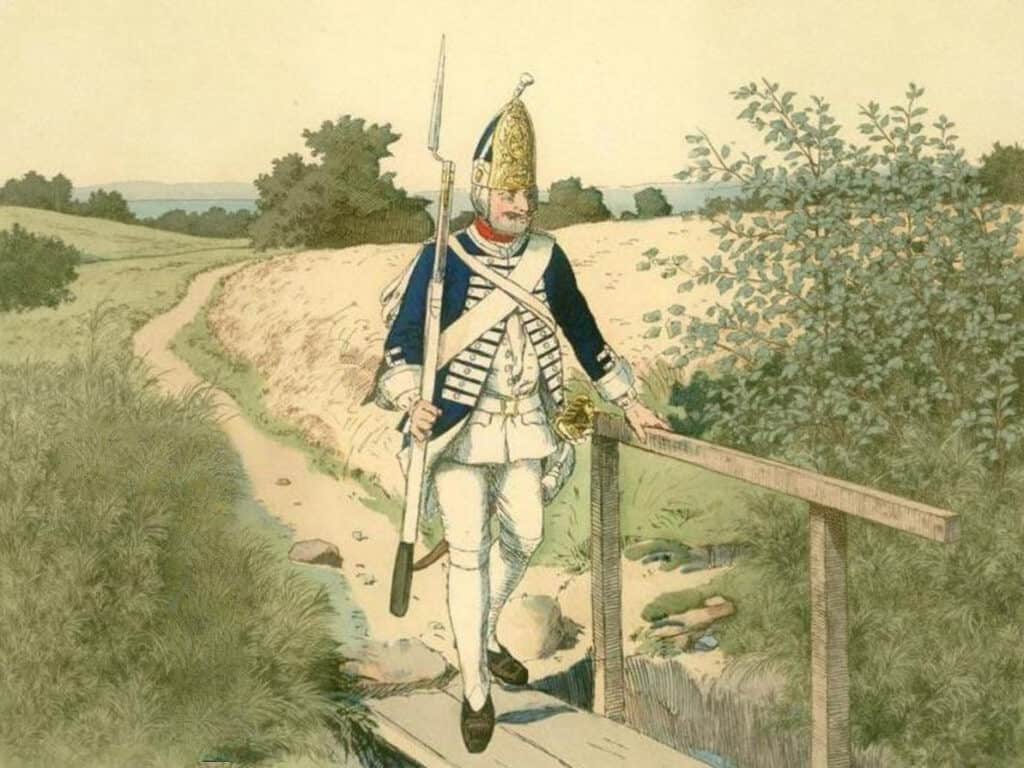
A Soldier Without a Cause
Dahle marched under contract, but the war gave him little to believe in. The colonies were strange, the forests dense, the campaigns exhausting. To the Americans, he was just another Hessian, a foreign uniform in an already bitter fight. The years wore on with little reward beyond survival. When the war ended, thousands of men like Dahle faced a choice: sail back to a country that had sent them away for cash, or stay in a land rich in soil, water, and opportunity.
Dahle stayed. His name bent to English tongues, shifting from Dahle to Dolly. He settled in what is now West Virginia’s Germany Valley, farming ground that reminded him of home but demanded more strength than any battlefield. The Allegheny highlands rose above his fields: dark spruce, wet meadows, and sods of grass cleared by German settlers for pasture. The Dolly family grazed their cattle there, high on the plateau. In time, the place itself carried their name.
Harsh Land, Harsh Lessons
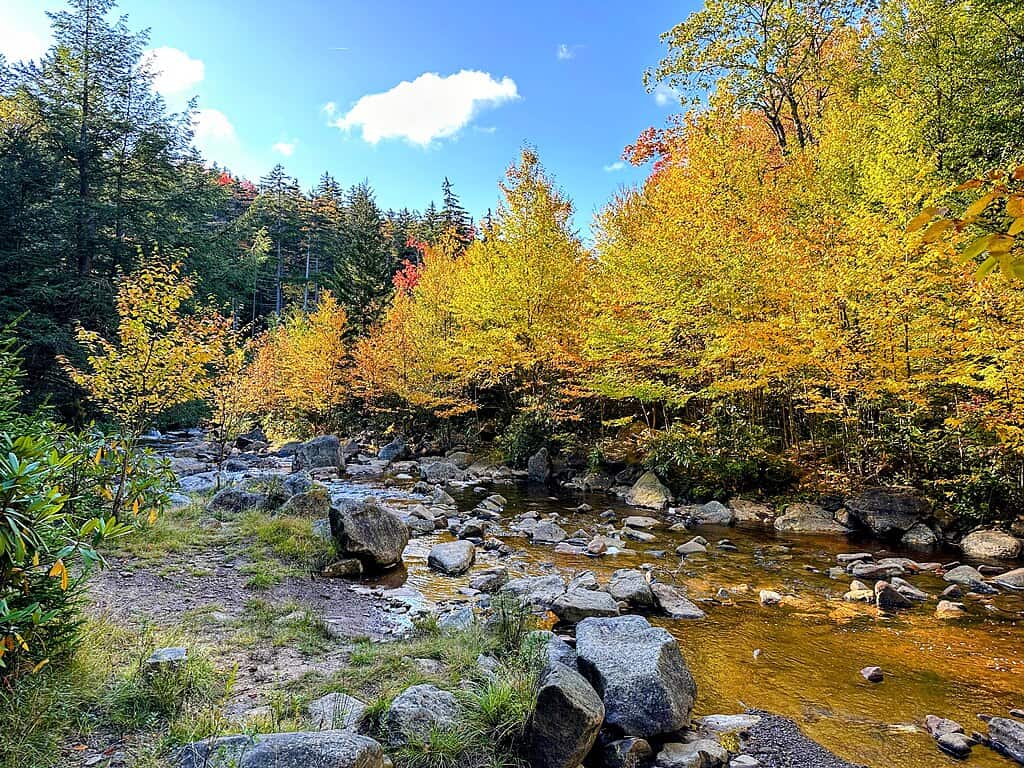
The land was as unforgiving as it was beautiful. Summers were brief, winters harsh, and frost came early on the ridges. The plateau rose high above Germany Valley, its bogs, heath, and rocky plains more like Canada than Appalachia. Farmers learned quickly that livestock did better than crops here. Families like the Dollys cleared the meadows, turned them into summer pasture, and gave the sods their name. Even today, the wilderness holds that same rugged character; a place where weather changes without warning and the ground itself demands respect.
War Finds the Plateau Again
Yet Dolly Sods would not remain simply a mountain pasture. The Civil War brought scouts and skirmishers across the Allegheny Front. Union and Confederate patrols used the high ground to move men and guns, each seeking to control the ridges that commanded the valleys below. Soldiers camped in the fog, cold rain soaking their wool uniforms. The bogs gave little cover, and the mountain weather was as much an enemy as the opposing side.
Decades later, war returned in a different form. During World War II, the U.S. Army used Dolly Sods as a training ground for artillery and mortar fire. The open expanses made it ideal for live-fire exercises. Shells tore through the spruce, gouged craters in the sods, and left behind hazards that endure even now. Hikers are still warned not to stray off marked trails. Signs remind visitors that unexploded ordnance may lie buried just beneath the moss and grass. What was once pastureland became, for a time, a proving ground.
Through it all, the name endured. Dolly Sods carried the memory of a single Hessian who chose to stay when others went home. He may not have imagined that his family’s name would be spoken long after his regiment was forgotten, or that the plateau where his cattle once grazed would become a wilderness preserved for future generations. But his story, like the land itself, is layered with survival.
The Dolly Sods Wilderness Today
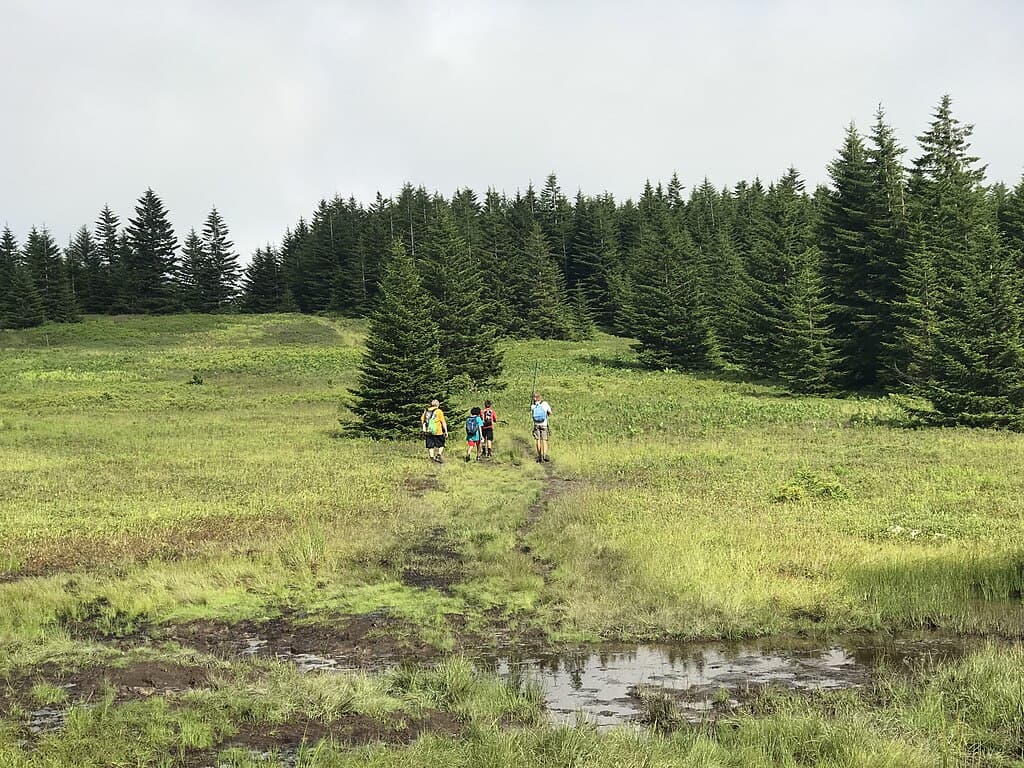
Today Dolly Sods is part of the Monongahela National Forest, designated as a wilderness area in 1975. Its sweeping vistas draw hikers, naturalists, and photographers who come to see red spruce groves, open heath barrens, and cranberry bogs. The air is cool, the winds steady, and the sense of remoteness palpable. Visitors tread paths where armies once marched and shells once fell, though most come seeking quiet rather than conquest.
The land remains scarred. Fires from logging in the early twentieth century burned deep into the soil, leaving stretches where regrowth is slow. Shell craters from artillery testing are hidden beneath moss and fern. Yet the resilience of Dolly Sods is part of its character. Each wound, whether from axe, musket, or mortar, has become another chapter in its story.
And at the root of that story lies a man who came to America as a mercenary and stayed as a farmer. Johann Dahle, John Dolly, gave his name to a plateau that has seen war, peace, hardship, and preservation. His grave rests in Germany Valley, quiet beneath the grass. High above, the wilderness carries his name.
Dolly Sods remains a place where history and landscape are inseparable. The wind across the plateau whispers of soldiers, settlers, and hikers alike. The name Dolly binds them all, a reminder that even the most unlikely figures can leave a legacy written not in books, but in the very soil of the land.
More Appalachian History & Culture
Find more stories from the region’s past on the History and Culture page.
Appalachian History and Culture Collection
Enjoying Blue Ridge Tales? I hope so. If you’d like to help keep the site ad-free and the stories rolling, you can buy me a coffee.
To stay connected, subscribe to my Blue Ridge Tales newsletter, and have stories and updates delivered once a month to your inbox.