Fatback: The Mountain Flavor Keeper
An installment in our Appalachian Foodways series
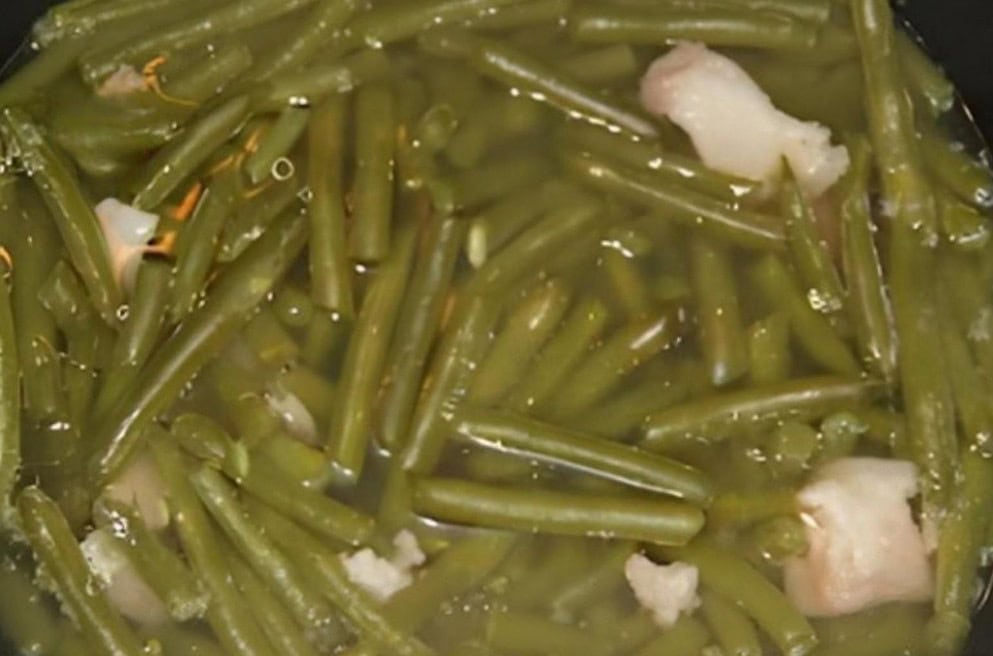
A strip of fatback in a hot pan offers a familiar scent. The sizzle settles into a steady rhythm, and the kitchen takes on a soft haze that Appalachian cooks knew well. Their gardens offered plenty of food but not much flavor. Beans carried their own comfort but needed a lift. Greens softened with a bit of help. Fatback made the difference.
Salted pork has been part of Southern cooking for generations, but fatback held a special place in the mountain pantry. It kept well. It traveled easily. It asked for little attention. Families in remote hollers relied on it as a dependable seasoning when store-bought ingredients were a luxury. Every hog carried its own supply, and families wasted nothing.
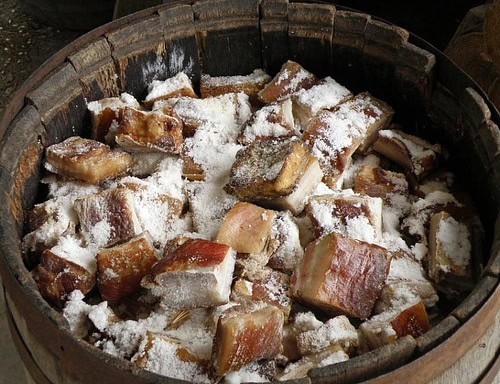
When November arrived, and the air turned sharp, hog-killing time settled across the region. This annual cycle shaped rural life more than any holiday. The work started before dawn and lasted until the last cloth was hung with carefully wrapped cuts. Once the hog was dressed and divided, certain parts headed to the smokehouse. Other pieces went into the cellar or the salt barrel. The strips saved for fatback were trimmed close and packed down with coarse salt. Nothing smelled pleasant about that barrel, but cooks trusted what came out of it.
The Ingredient That Held Meals Together
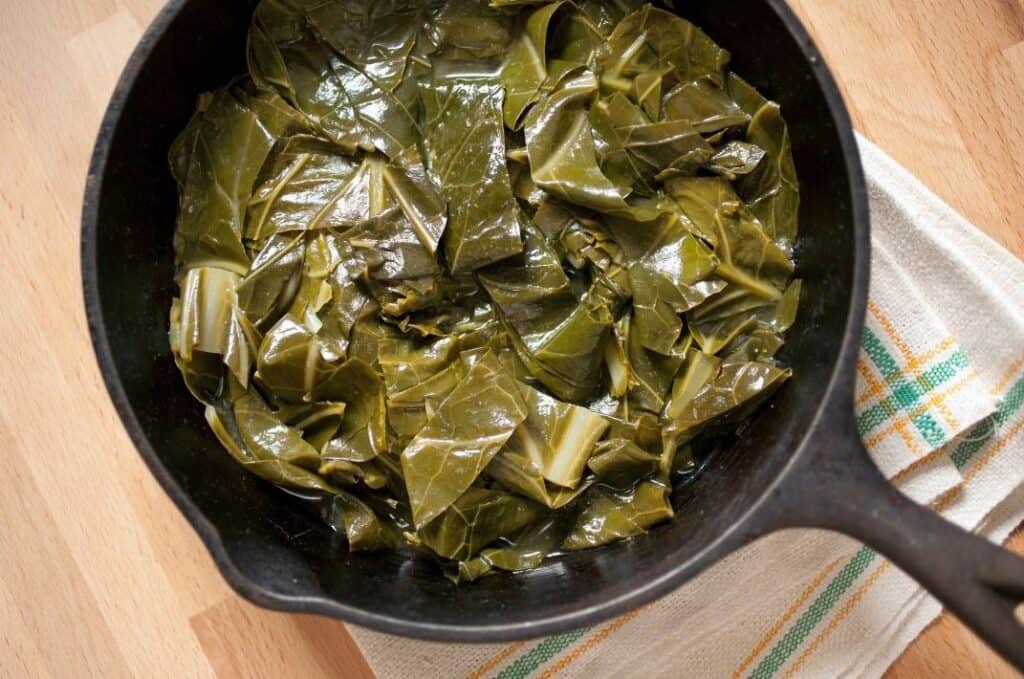
Salt cured the strips and kept them safe through the winter. Without modern refrigeration, that meant security. A single piece could flavor a family’s pot of beans. Another piece went into collard greens or cabbage. A jar of potatoes cooked beside a strip tasted fuller. The purpose was never abundance. The purpose was depth. Mountain meals relied on what was on hand, and fatback pulled those ingredients together.
Some cooks used it only for seasoning. Others crisped small pieces and served them as a side. Texture varied from cook to cook. The pan’s heat determined everything. A low flame slowly released the salt and oil. A hotter pan created a sturdier piece with a bit of curl around the edges. There was no wrong method. Families simply did what worked for their stoves and their tastes.
The contrast with bacon tells most of the story. Bacon is smoked and sliced. It belongs on breakfast plates. Fatback is cured hard and cut thick. It seasons the pot rather than stealing the show. Its purpose stays humble. That humility helped it endure through lean years. Bacon was a treat. Fatback was insurance.
What Makes Fatback Distinct
Cooks understood that fatback behaved differently from bacon or salt pork. It carried little to no meat, which made it perfect for pure seasoning. Salt pork had a firmer structure and mild smokiness, but fatback rendered more evenly. Its fat content provided a clean base for vegetables, stews, and beans.
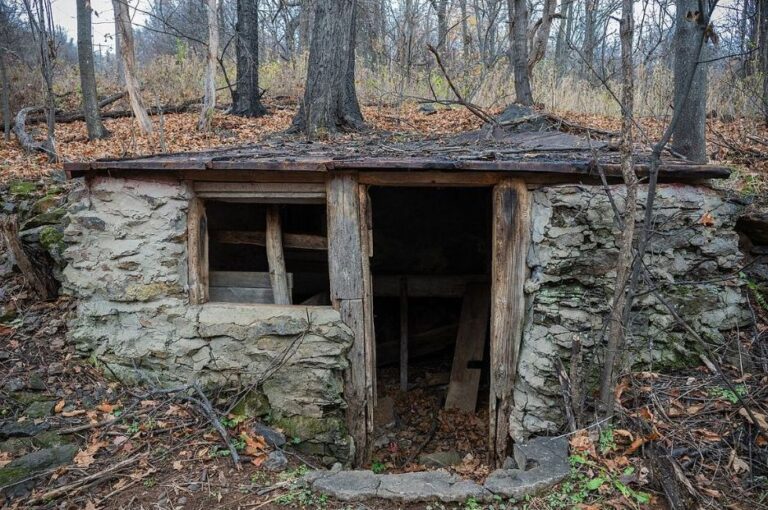
Storage mattered just as much as flavor. In early Appalachian kitchens, refrigeration was rare. Salted fatback kept well in the cellar or smokehouse. Wrapped in cloth and stored away from heat, it lasted for months. Families depended on that reliability during winters that stretched long past the holidays.
What made it practical was simple. It stayed good. It stretched meals. It fed large households even when the pantry looked thin. A strip dropped into a pot changed everything.
The Link to Hog-Killing Season
Hog-killing time dictated the supply of fatback. Families planned for it all year. Feed was saved. Spaces were cleared. Tools were sharpened. When the cold snap arrived, the work began. Every usable part of the hog found a purpose. The strips that became fatback were trimmed with care. Salt went on thick. The meat rested in a cool spot until the cure took hold.
Winter planning depended on that barrel. The jars on the shelves held the garden’s last offering. The salt-packed strips held the hog’s. Together, they formed the backbone of the household’s food supply. Nothing replaced fatback when the weather turned rough or when the stove needed a steady pot simmering on top.
Adding Depth to Beans, Greens, and Vegetables
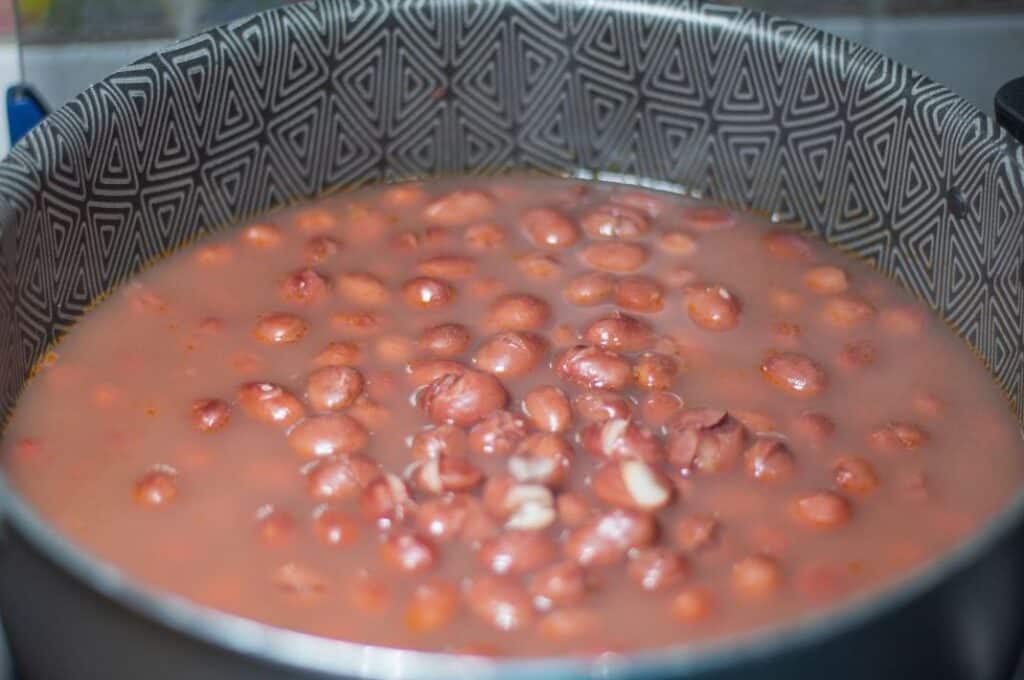
Mountain cooks liked to start a pot with a strip of fatback. Once the heat rose, the fat softened and slipped into the broth. Beans responded especially well. They soaked up the salt and mellowed into something richer. Pinto beans took on a deeper color. White beans grew smoother and more tender.
Greens benefited too. Collards and turnips wilted slowly under the weight of the cured pork. The broth thickened. The leaves took on a steady warmth. Cabbage cooked alongside fatback lost its sharpness and took on a rounded flavor.
Vegetables from the cellar found more life with just one strip. Potatoes cooked beside fatback held onto a pleasant richness. Beets and carrots softened into a gentler taste. The ingredient did not overpower. It blended. That blending formed the heart of many Appalachian meals.
Fatback in Mountain Food Identity
The ingredient shaped Appalachian cooking in quiet ways. It appeared in small amounts but changed the direction of a meal. Families came to rely on it. The taste became familiar. When cooks speak today about “the old flavors,” they often mean meals that were shaped by the steady influence of fatback.
Older generations held on to the practice even when new fats and oils entered the kitchen. Shortening worked for biscuits and pies, but it lacked the grounding effect of cured pork. Vegetable oils were convenient but thin. Fatback stayed because it rooted dishes in the place they came from.
For many, the taste represents childhood kitchens, winter suppers, and the certainty that a simple meal could still feel complete. The ingredient sits at the center of that identity.
Finding Fatback Today
Modern shoppers can still locate fatback. In many grocery stores, it sits near hams or salt pork. Labels vary, so reading them helps. True fatback carries little meat. Salt pork offers a bit more structure. Butchers in rural counties make the distinction clear and can explain how their cuts are prepared.
Local farms that process hogs in small batches often offer fatback on their product list. Some smokehouses cure it the same way families did a century ago. Farmers’ markets may carry it during colder months when seasonal processing increases.
Home cooks who use it for heritage dishes usually discover its value quickly. A pot of beans gains depth. Greens mellow into a satisfying side. Vegetables from the freezer or cellar take on a steadier flavor. The change is immediate.
Fatback endures because it works. It offers depth without demanding attention. It brings the past into the present every time it hits a pan. In a world with crowded shelves and countless options, the simplest ingredient still carries the strongest voice.
Cooks sometimes confuse fatback, pork belly, and cracklins, but each one plays a different role in the kitchen. This quick guide sorts them out in plain language.
Cut | Where It Comes From | What It Contains | How It Cooks | Typical Use |
|---|---|---|---|---|
Fatback | The top of the hog, along the back | Firm fat with little meat | Renders slowly and seasons the pot | Beans, greens, vegetables, frying fat |
Pork Belly | The underside of the hog | Layers of meat and fat | Browns, softens, and crisps | Bacon, braising, roasting |
Cracklins | Skin with attached fat, created during lard rendering | Crisp skin and fatty bits | Fries into a crunchy, chewy piece | Snacks, cornbread, flavor bursts |
More Foodways Stories
Explore the dishes, tools, and kitchen traditions that shaped mountain life on the Foodways page.
Appalachian Foodways Collection
Enjoying Blue Ridge Tales? I hope so. If you’d like to help keep the site ad-free and the stories rolling, you can buy me a coffee.
To stay connected, subscribe to my Blue Ridge Tales newsletter, and have stories and updates delivered once a month to your inbox.