Forged in Solitude: Legacy of Appalachian Isolation
An installment in our Appalachian History and Culture series
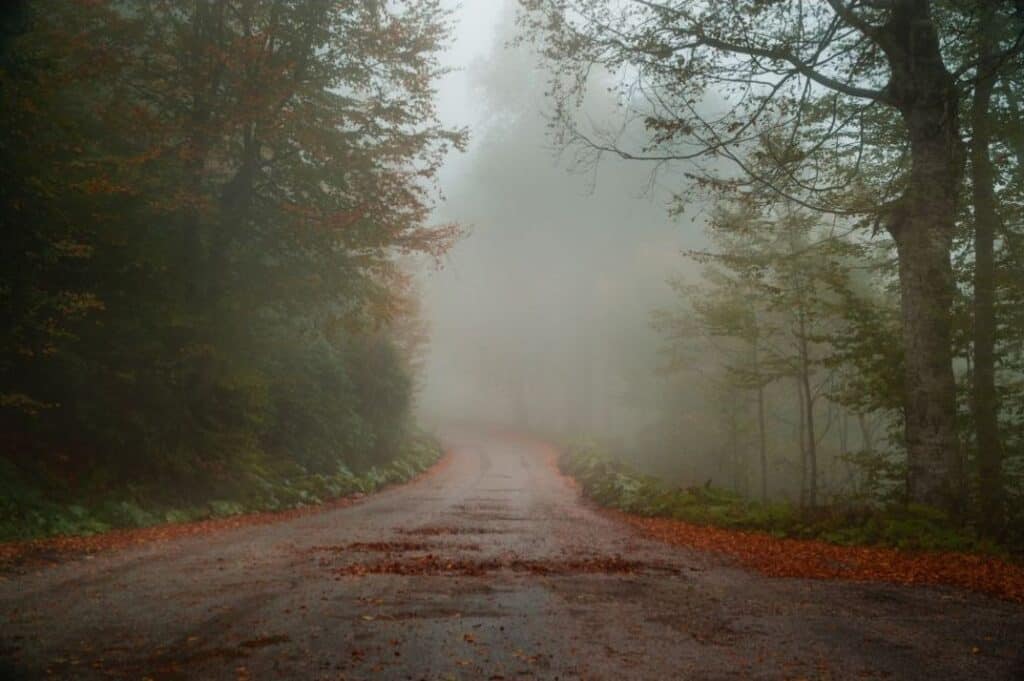
Morning comes early because it has to. The stove takes time. In the quiet of Appalachian isolation, the path to the spring is slick with dew, and the cow bellows until the gate latch lifts. A wagon trip into town must wait for the creek to drop and the sky to clear. Until then, work stays close: feed the stock, mend the fence, set aside seed. Coffee is measured out; nails stay in a jar until needed. When the weather breaks, one trip must cover everything.
Neighbors aren’t far away “as the crow flies,” but distance isn’t measured that way here. The ridge between farms turns a mile into half a day. Families plan visits the way they plan harvests. If someone falls ill, word travels by foot or mule, not by wire. Sunday carries the news because Sunday is when people can gather. Church is more than worship; it’s a market, courthouse, and town hall rolled together.
This is what Appalachian isolation feels like; not an idea, but a set of limits that shape every choice. You build what you need, repair what breaks, and learn to rely on kin more than commerce. Money helps, but neighbors matter more. When the crops fail, you trade a hog for flour or barter a day’s work for seed. The rhythm is steady because it must be; the margin for error is thin.
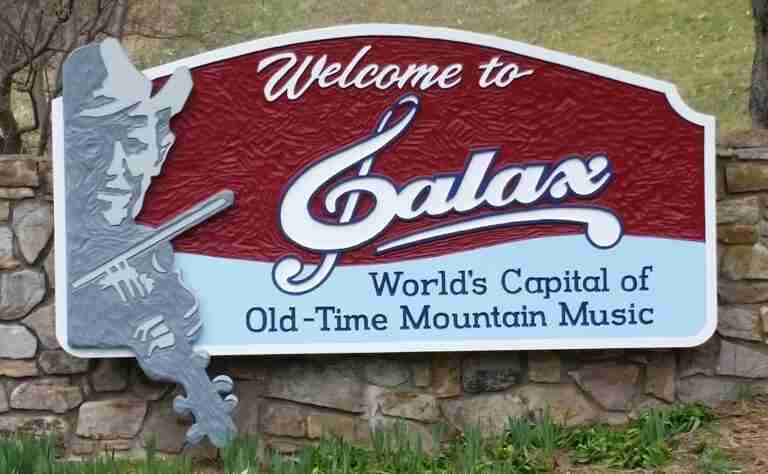
The mountains keep out more than travelers. They slow the spread of change. You can tell a place by the way its people talk. The fiddle tunes do the same. What was once the sound of Ulster or the Borderlands settles into the timber of these hills, passed from mouth to ear until it belongs entirely to this place.
Appalachian isolation wasn’t chosen, and it wasn’t romantic. It was the price of distance. Yet that distance gave shape to a way of living: tight-knit, cautious, proud, and durable. When roads and radio finally reached these hollers, the world opened. But by then, the old patterns had taken root, leaving behind a culture that still carries the memory of long separations.
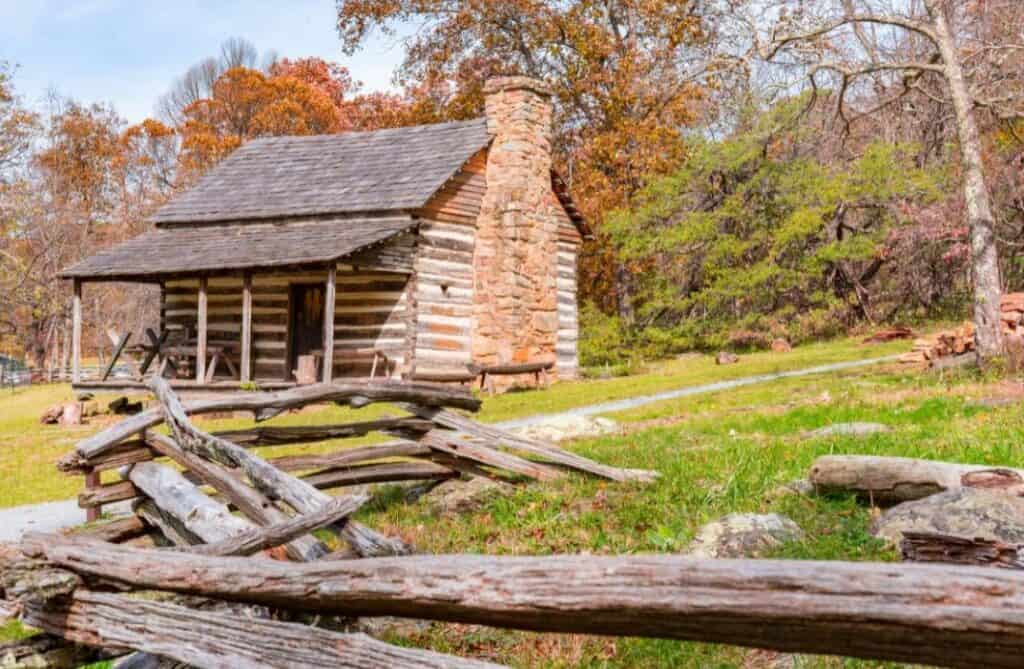
The Mountain Seal: How Appalachian Isolation Shaped Daily Life
The Blue Ridge and Cumberland ranges formed a world within walls. Each valley ran on its own time. What happened on one side of the ridge might take a month to reach the other. That kind of distance built independence. If the roof leaked, you patched it. If the mule went lame, you learned to shoe it yourself. Work came from necessity, not pride. The lesson was simple: nobody’s coming to save you before the spring thaw.
In those years, self-reliance wasn’t philosophy, it was geography. Appalachian isolation forced communities to invent their own economies. Small farms and sawmills kept a family fed; trading posts filled the rest. Coins changed hands rarely. Value came in favors or a traded sack of meal. The result was a quiet resilience that outsiders often mistook for stand-offishness.
But isolation had a cost. Doctors were scarce; schoolhouses often shut down during planting and harvest. Newspapers arrived late, if at all. Families knew the names of their ancestors but might never meet a stranger. The same geography that protected culture also confined it.
Still, life held its rhythm. Winter evenings gathered people around the hearth. Stories passed from one generation to the next, shaped by memory and repetition. A tale could stretch or shrink to fit the teller’s purpose, but its core stayed true. The mountains sealed these stories in, turning oral history into the region’s archive long before anyone thought to write it down.
Language That Stayed Put
Listen in some hollers and you’ll hear speech that sounds centuries old; Appalachian isolation kept its cadence intact. Words like holler, britches, and reckon trace back to the Scots-Irish settlers who carved farms from the ridges in the 1700s. Their speech carried over the Atlantic and took root in Appalachian soil, largely unchanged because there was no one around to change it.
Linguists call it a “preserved dialect,” but that undersells its life. It isn’t frozen. It’s living history spoken aloud. The phrase might could comes straight from Gaelic grammar. So does the car needs washed. These patterns lingered because isolation shielded them from the flattening effect of cities and schools.
For generations, an Appalachian accent marked you as a hick, often to your disadvantage. Outsiders called it backward or uneducated. But scholars later found that mountain speech preserved English constructions lost elsewhere centuries earlier. The dialect wasn’t broken. It was old and sturdy, with an honesty that survived distance.
Language became both a boundary and a bond. Within the mountains, it built kinship; beyond them, it built misunderstanding. Either way, it endured.

Bloodlines in the Hollers: The Legacy of Appalachian Isolation
Isolation didn’t only protect language. It shaped families, too. On the banks of Troublesome Creek in eastern Kentucky, a baby born blue was nothing new. The Fugate family carried a rare genetic trait called methemoglobinemia, which gave their skin a bluish tint. In the 1800s, the nearest town doctor might be a day’s ride away, so births and marriages stayed close to home. Cousins married cousins, and the recessive gene stayed alive.
That condition, once a local curiosity, later became a medical case study. Scientists traced it to a single enzyme deficiency passed quietly through generations. In that small pocket of Appalachia, Appalachian isolation had turned a rare gene into a visible legacy.
A few ridges south, another community told a different story. The Melungeons of southwest Virginia and east Tennessee carried a blend of European, African, and Indigenous ancestry. Their mixed heritage, concealed and mythologized for centuries, survived precisely because of the same isolation that defined the region. DNA testing later confirmed what local families had long whispered: they were part of many worlds, preserved inside one.
Together, these stories, one of genetic sameness and one of cultural variety, show how isolation works both ways. It narrows and it shelters. It confines and it protects. And in doing so, it leaves marks that reach far beyond the mountains.
Breaking the Seal: What Remains
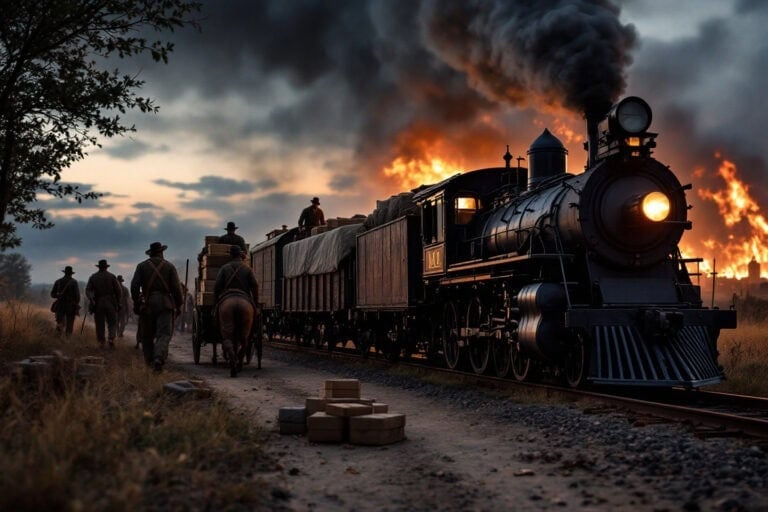
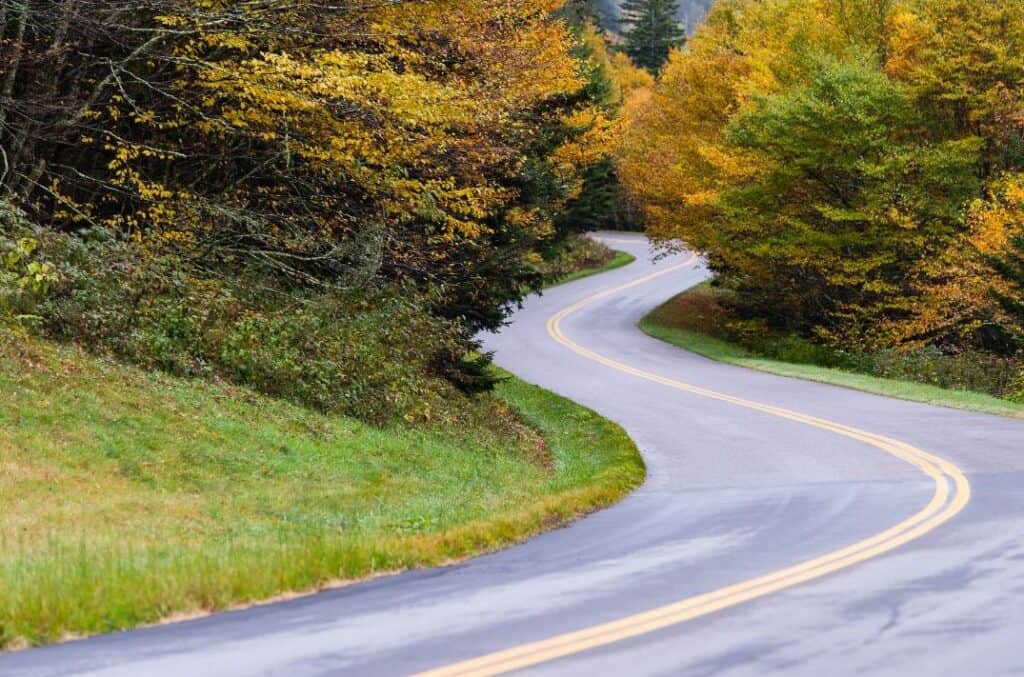
Change came on wheels. Rail lines carried timber out and factory goods in. Roads carved through ridges that had stood for millennia. The first paved highways tied mountain towns to coal camps, then to cities. With them came teachers, preachers, salesmen, and radio voices that sounded nothing like home.
Appalachian isolation began to fade, but not all at once. Dialects softened. The young left for work. The old ways—barter, storytelling, tight kinship—loosened under the weight of convenience. Yet even as barriers came down, traces of the old life clung to speech and memory.
Today, a fiddle tune played on a front porch carries more than melody. It carries endurance. A family name carved into a cemetery stone marks a century of staying put. The accent of a coal miner’s granddaughter still bends vowels the same way her Scots-Irish ancestors did.
Isolation is no longer a fact of geography, but its legacy endures in the region’s sense of self. The mountains no longer keep people in, yet they still hold them in memory. Appalachia changed, but the voice it forged in solitude never truly went quiet.
More Appalachian History & Culture
Find more stories from the region’s past on the History and Culture page.
Appalachian History and Culture Collection
Enjoying Blue Ridge Tales? I hope so. If you’d like to help keep the site ad-free and the stories rolling, you can buy me a coffee.
To stay connected, subscribe to my Blue Ridge Tales newsletter, and have stories and updates delivered once a month to your inbox.