From Steam to Silence on the Virginia Creeper Trail
An installment in our Blue Ridge Travel series

Before anyone saw the train, they heard it. A whistle drifted up the valley, followed by the steady effort of a steam engine pulling against the grade. In cold mountain air, sound carried farther than you might expect. The Creeper let people know it was coming long before it appeared around a bend or across a trestle. Along the line, folks learned to listen because listening gave them time to prepare.
Today, that same corridor moves in near silence. Walkers and cyclists follow the old rail bed along the Virginia Creeper Trail, tracing a route once shaped by weight, heat, and mechanical strain. The mountain still controls the pace. The climb remains steady. What has changed is what fills the air. Steam and steel are gone. In their place are creek water, wind through branches, and the low, regular sound of tires or footsteps on packed gravel.
When the Mountain Set the Terms
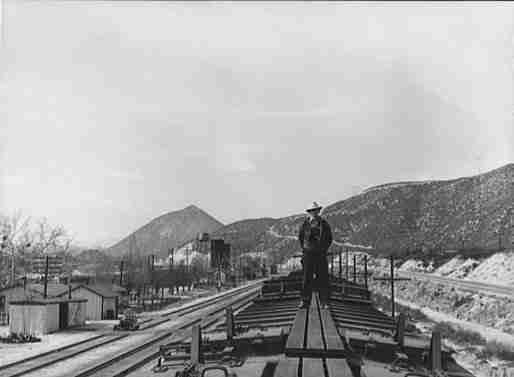
The train earned the nickname “Virginia Creeper” honestly. The grade between Abingdon, Damascus, and Whitetop was too steep for speed. Steam locomotives couldn’t power straight through it. They climbed slowly, burning fuel and water as they went. That effort produced noise, not spectacle. Exhaust beat against the hillsides. Whistles cut through the hollows because engineers needed a way to signal ahead on a twisting line with limited sight distance.
For the folks who lived along the route, that sound served a clear purpose. It told them the train was approaching before it came into view. A distant whistle meant mail was on the way. A heavier, closer sound signaled freight would soon be rolling past. In a landscape shaped by ridges and curves, sound worked as an early warning system. You didn’t wait to see the train. You heard it first and adjusted accordingly.
A Line Built to Work, Not Impress
The Creeper was built to move freight and passengers through difficult terrain, not to frame views. Engineers laid track that reduced strain on locomotives, even when that meant longer distances and wide curves. Sudden climbs risked stalls and breakdowns. Spreading elevation gain over miles kept trains moving.
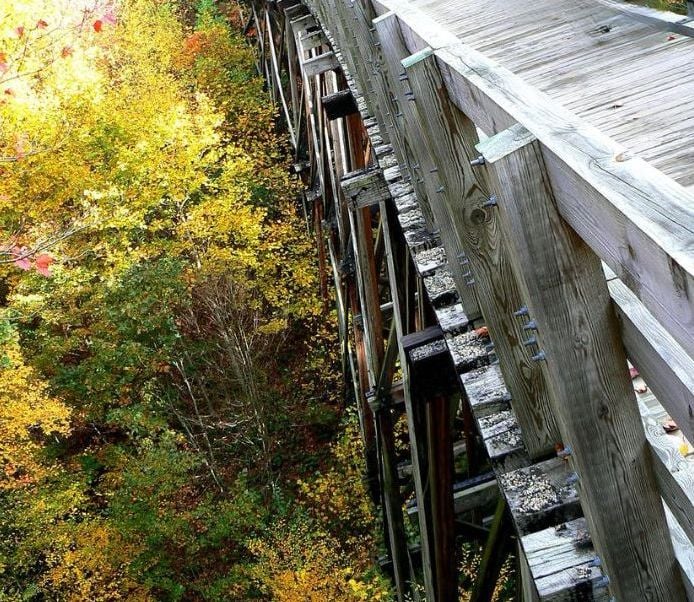
That approach still shapes the trail. Grades stay steady rather than steep, which limits sharp pitches but creates long, sustained climbs for anyone traveling uphill. Walkers and cyclists feel that effort over distance, especially without assistance. Bridges and curves remain where geography required them. What seems relaxed today reflects a set of practical decisions made to keep a working railroad viable in the mountains.
When the Engines Stopped
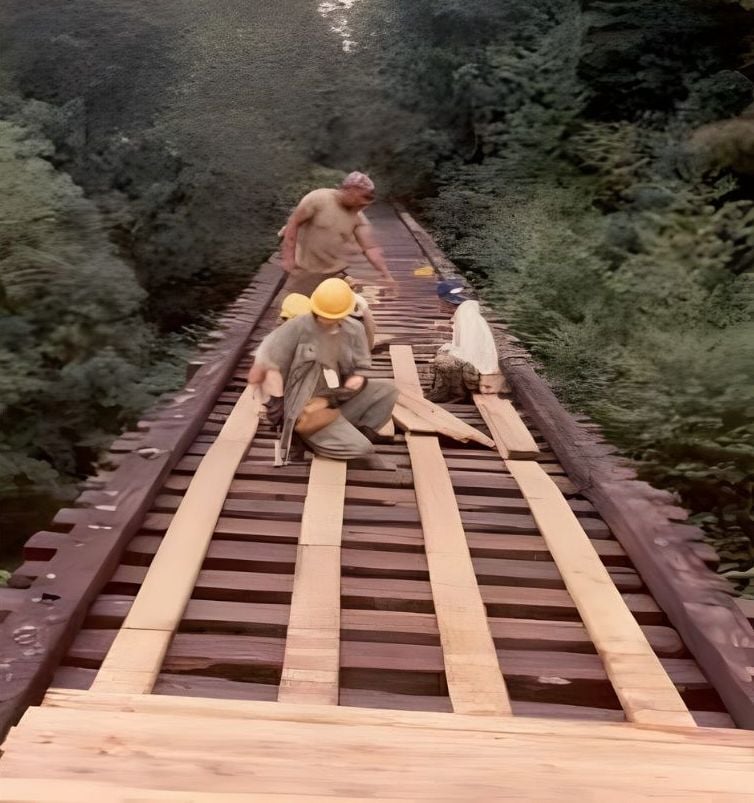
Rail service ended on the line in 1977, after years of declining traffic and repeated flooding. The rails were removed. The corridor remained. When the trail opened a decade later, it didn’t attempt to recreate the railroad experience. It simply reused the space the railroad had already carved into the mountain.
The quiet that followed wasn’t planned or promoted. It was the natural result of removing engines, whistles, and steel wheels. What remained was the sound of the landscape itself.
Listening While You Travel
Moving along the Creeper Trail now requires a different kind of attention. Sound stays close. Gravel shifts under tires. Shoes scuff the surface. Water moves beside the path. In winter, when leaves are down, the woods open up and carry sound more clearly. Voices travel farther. Footsteps echo longer.
That quiet affects how people move because nothing urges them forward. Without engines or schedules, pace is set by the grade itself. Walkers slow naturally on climbs. Cyclists ease into descents instead of racing through them. The absence of mechanical noise makes small changes in terrain easier to notice and easier to respect.
Towns That Still Fit the Corridor
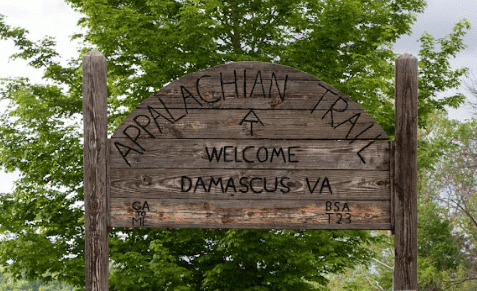
The towns along the trail make practical sense once you think in terms of movement and effort. Abingdon anchors the southern end where the corridor gathers traffic. Damascus sits at a natural midpoint where trains once paused for water and crews, and where travelers still stop today. Green Cove remains because it once served a necessary function on the line.
These places developed where the railroad needed them. The trail preserves that logic. Modern visitors pause for the same reasons trains did. Rest. Resupply. Connection. The setting may feel relaxed now, but its layout reflects choices made to support steady movement through the mountains.
Winter Reveals the Route
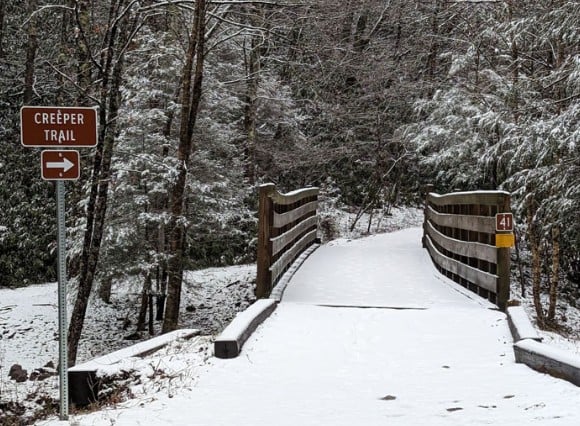
Winter is a revealing time to travel the Virginia Creeper Trail. Without leaves, the land opens. Cuts and fills become easier to see. Creek crossings stand out. The corridor path is clearly visible against the slope.
Sound sharpens, too. Cold air carries it cleanly. With fewer people on the trail, what you hear usually belongs there. The experience feels less like a destination and more like a passage, a way through rather than a place to linger for show.
What Silence Keeps Along the Virginia Creeper Trail
The Creeper Trail doesn’t replace its past. It carries it forward at a different scale. Movement still happens here. Effort still shapes the experience. Time stretches the way it always has in this terrain.
Long ago, sound helped people understand where the train was and what it meant for their day. Today, the lack of that sound does something similar. It removes urgency. It allows the mountain to dictate pace. It gives travelers room to notice how the corridor was built and why it follows the path it does.
The train no longer runs, but the route remains. From steam to silence, the mountain still sets the terms. Traveling the Virginia Creeper Trail means moving through that reality one measured mile at a time.
More Blue Ridge Travel
Find more travel stories, routes, and small-town stops on the Blue Ridge Travel page.
View the Blue Ridge Travel Collection here
Enjoying Blue Ridge Tales? I hope so. If you’d like to help keep the site ad-free and the stories rolling, you can buy me a coffee.
To stay connected, subscribe to my Blue Ridge Tales newsletter, and have stories and updates delivered once a month to your inbox.