How Cast-Iron Flavor Shaped Mountain Cooking
An installment in our Appalachian Foodways series
Step into an old mountain kitchen, and you notice the skillet before anything else. It sits on the stovetop or hangs near the range, ready for the next meal. Folks kept cast iron because it worked, and its steady heat helped shape the dishes that defined Appalachian cooking. The result is what many call cast-iron flavor, a taste that grows out of years of daily use.
Why Mountain Cooks Trusted Iron
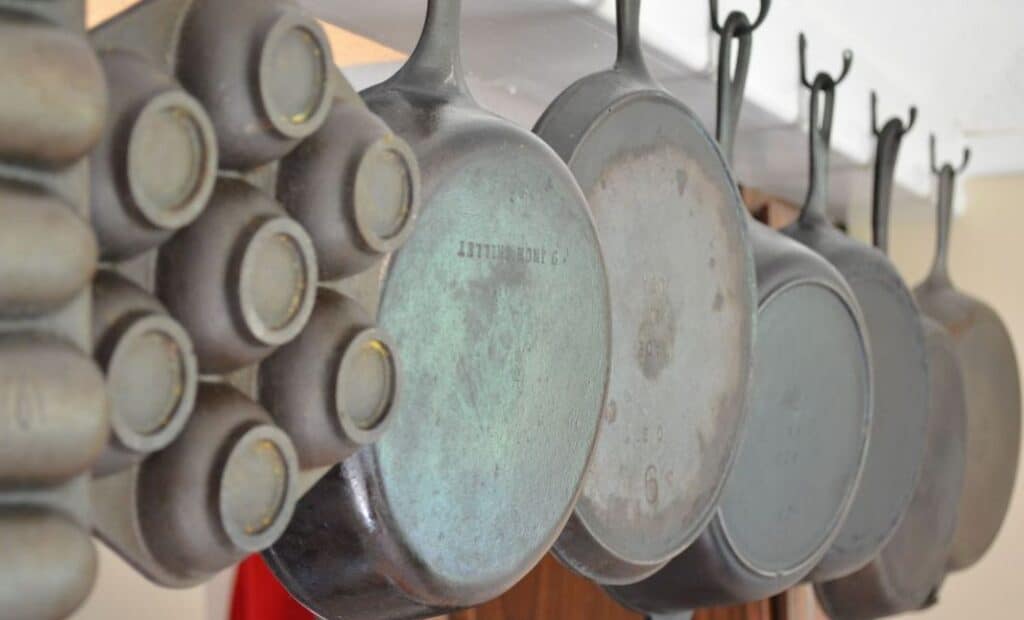
Mountain kitchens relied on equipment that could take rough treatment. A cast-iron pan handled woodstoves, open hearths, and uneven heat without much fuss. Once it warmed up, it stayed warm. That simple reliability meant the cook could step outside to check on livestock, answer a knock at the door, or carry in firewood without worrying about the pan cooling down.
Families cooked by feel more than by measurement. They judged heat by holding a hand over the pan or by listening as food hit the surface. Cast-iron rewarded that approach. It offered a consistent base for searing, frying, and baking, and helped create the cast-iron flavor people still recognize today.
The pan became part of the household rhythm. Breakfast often began with the same skillet that cooked supper. It stayed seasoned because it never sat idle long enough to lose its surface. A well-seasoned pan led to better browning, deepening the cast-iron flavor with each meal.
Cast-iron Flavor and Cornbread Crust
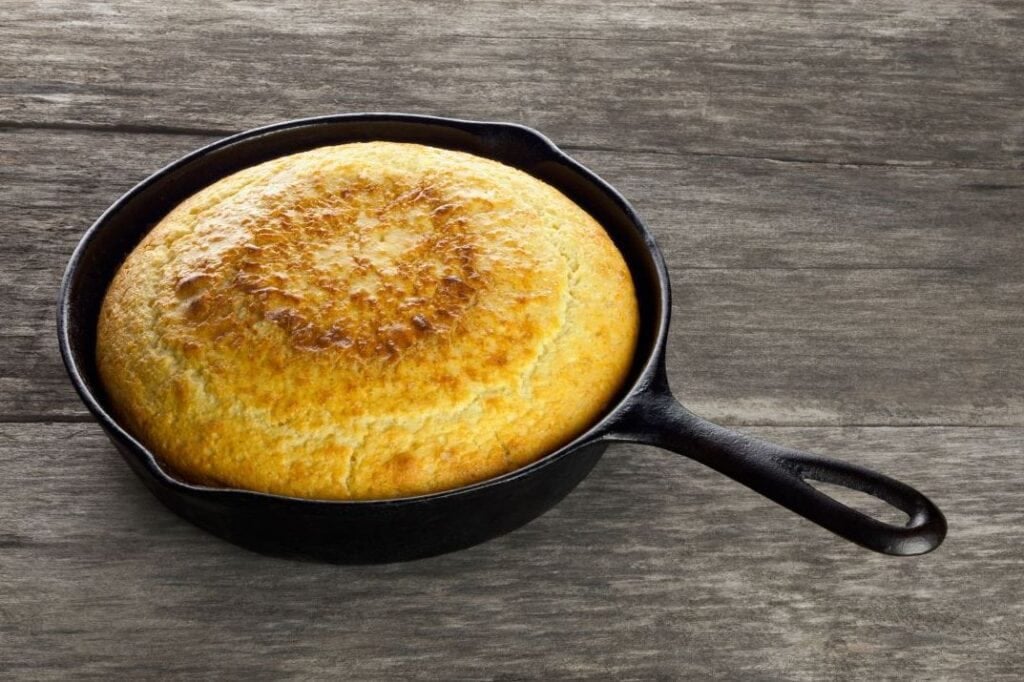
Cornbread was a daily staple in many Blue Ridge homes, and cast-iron played a clear role in its flavor. When hot batter hit a heated skillet, the crust formed quickly. Cooks counted on that. A good crust brought a firm bite and a warm, slightly nutty taste. Anything baked in a cooler dish came out soft and pale.
The crust was more than texture. It carried the cast-iron flavor forward, since each batch drew from the seasoning left behind by earlier meals. Bacon drippings, lard, or even a neutral fat each shaped the taste in different ways. Families noticed these differences without analyzing them. They simply knew their own pan produced a better crust than anything else.
Cornbread fed workers in the fields, children before school, and families gathered around small tables in winter. Its flavor owes much to the pan that held it.
Searing Apples for Steady Sweetness
Fried apples held a regular place on many mountain tables, especially in households that stored apples through the winter. Cast-iron offered the heat control needed to cook them without scorching the sugar as it caramelized.
A skillet retained heat long enough for the slices to soften evenly. The sugars concentrated slowly, giving the apples a deeper sweetness than a quick sauté could produce. That steady heat is part of the cast-iron flavor people associate with old-style fried apples.
Some families added a touch of sorghum. Others cooked them plain, letting the apples speak for themselves. In both cases, the pan shaped the taste more than any extra ingredient.
Potato Cakes and the Work of Frugality
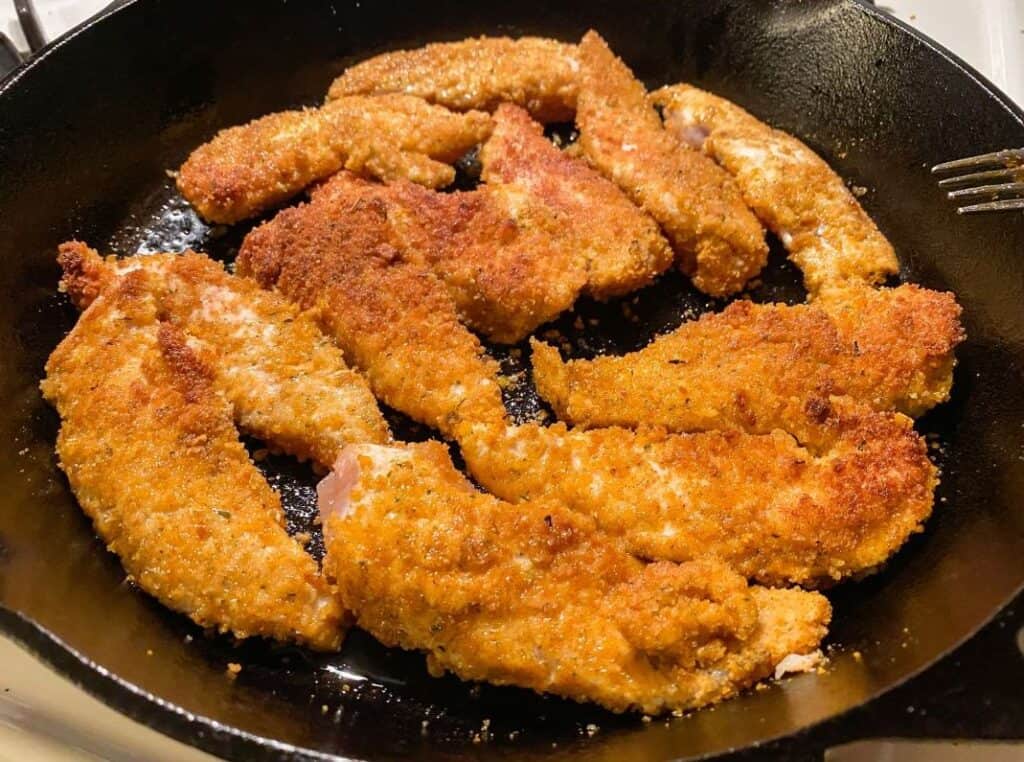
Leftover potatoes rarely went to waste. They reappeared in the morning as potato cakes, shaped by hand and cooked in the same skillet that handled cornbread the night before. Cast-iron helped form a crisp outer layer while keeping the middle soft.
The method matched the frugal habits of mountain life. Cooks made the most of what they had, and cast-iron made reuse easier. The browning on those potato cakes came from a mix of steady heat and a seasoned surface. Together, they gave each bite a warmth that modern pans often fail to match.
Potato cakes remain one of the clearest examples of how cast-iron flavor comes from repetition and practice rather than formal technique.
Hoecakes on Hot Iron

Hoecakes fit neatly into the region’s preference for simple food prepared quickly. Batter met the skillet, spread across the surface, and cooked in a matter of minutes. Cast-iron created crisp edges that held their shape, even when eaten with beans or greens.
The flavor of hoecakes depends on even heat. The pan provides that, whether it sits on a woodstove, gas burner, or induction range. The heat levels differ, but the basic effect remains. The cast-iron flavor stays tied to the way the pan holds warmth and encourages browning.
A plate of hoecakes carries the memory of mornings spent rushing to chores or evenings when supper needed to come together fast. The pan remained the constant in those moments.
The Skillet That Carries Its Own History
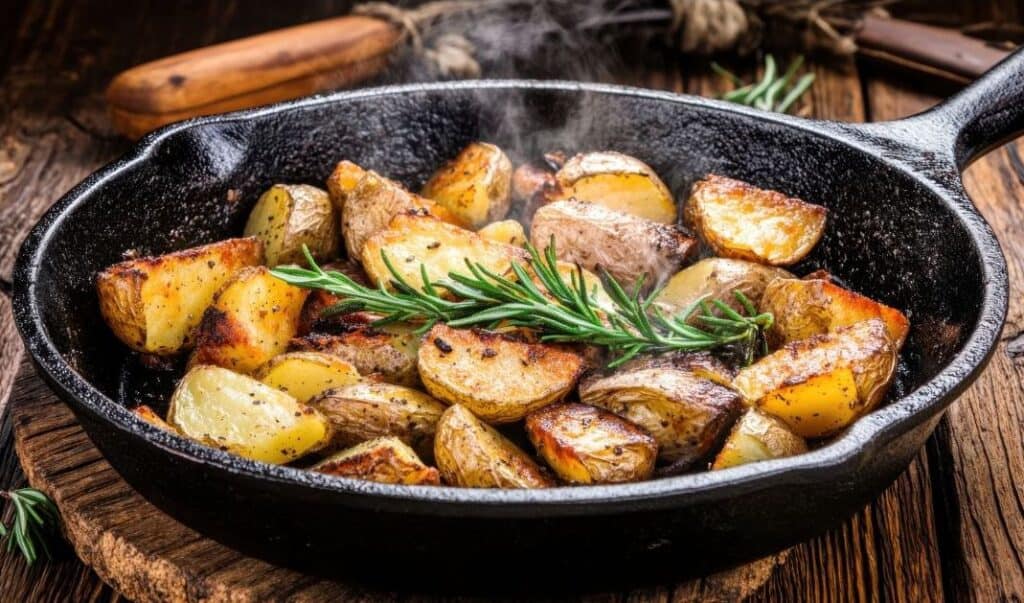
Every seasoned pan has a story. Years of cooking leave small traces of meals past. This isn’t a myth. It is the natural result of fat, salt, and heat working together. The pan gains a surface that protects food from sticking and encourages deeper browning. That surface helps create the cast-iron flavor that people notice but rarely name.
Families kept their pans through moves, marriages, and kitchen changes. Many of those skillets still hang in homes across the Blue Ridge. Some are pitted. Some are smooth from decades of use. Each one carries evidence of the household that used it.
Modern cookware offers convenience, but cast iron offers a kind of continuity. It connects old kitchens to new ones without ceremony.
The Old Pan Still Earns Its Place
Cast-iron remains in many homes because it works. It lasts through rough handling and unpredictable heat. It creates firm crusts, steady sears, and a flavor that builds over time.
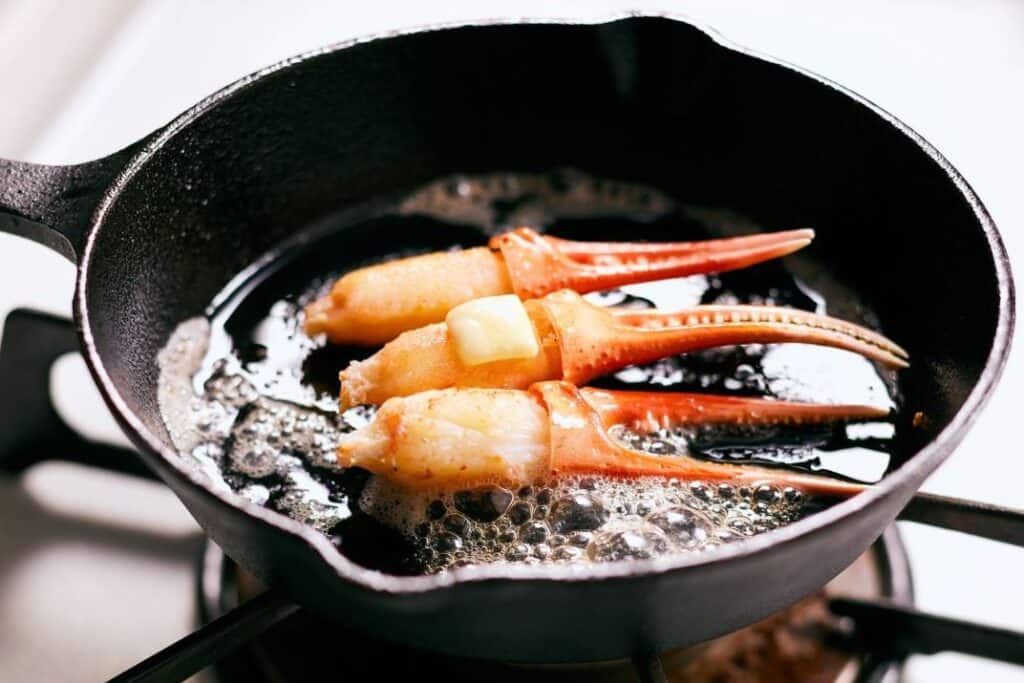
Modern cooks appreciate the durability, but they also enjoy the taste. The cast-iron flavor that shaped mountain cooking still shows up on today’s tables. You can taste it in cornbread, apples, hoecakes, potatoes, and whatever else finds its way into the pan.
A Closing Thought
When you lift a cast-iron skillet, you hold more than cookware. You hold a piece of daily life that shaped the region’s food. Mountain families leaned on that dependable pan for generations. In return, the pan shaped the meals that defined home.
More Foodways Stories
Explore the dishes, tools, and kitchen traditions that shaped mountain life on the Foodways page.
Appalachian Foodways Collection
Enjoying Blue Ridge Tales? I hope so. If you’d like to help keep the site ad-free and the stories rolling, you can buy me a coffee.
To stay connected, subscribe to my Blue Ridge Tales newsletter, and have stories and updates delivered once a month to your inbox.