|
|
|
|
Blue Ridge Tales — January 2026
Vol. 3 #1
January is when the mountains slow down. The Parkway grows quiet, the overlooks feel less like destinations and more like pauses, and the stories seem easier to hear if you’re paying attention.
|
This year I’m trying something new with the newsletter. Instead of focusing on a single theme, each issue will take a short walk through Blue Ridge Tales itself. One story from folklore. One from history. One about traveling the Blue Ridge. One from everyday mountain life.
|
Here’s what’s worth lingering over this month.
|
|
|
|
|
|
|
Blue Ridge Travel
|
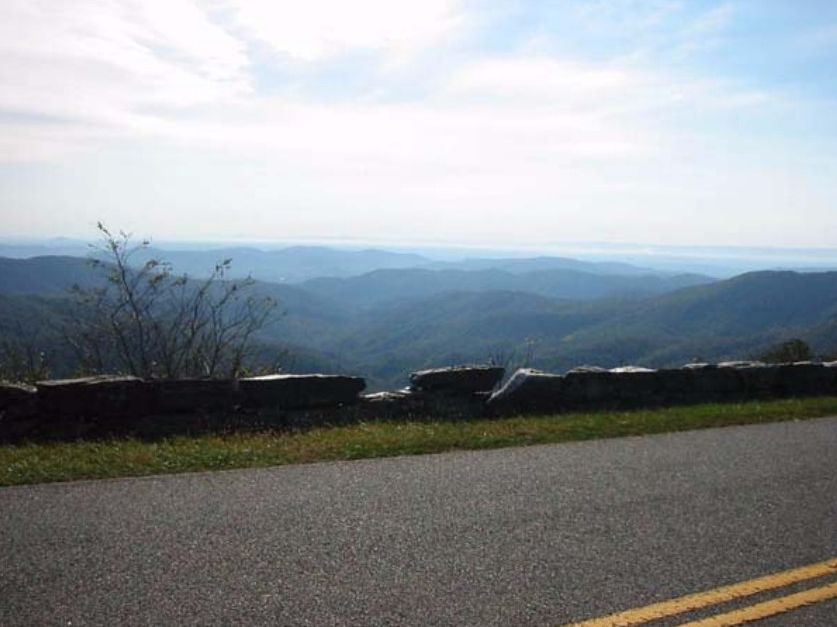
Blue Ridge Parkway CCC Landscaping You Never Notice
|
|
|
|
|
Most drivers experience the Blue Ridge Parkway as something that simply unfolds in front of them. Curves feel natural. Meadows seem to appear where they should. Nothing looks accidental.
|
This piece looks at how the Civilian Conservation Corps quietly shaped the Parkway’s landscape, and why the work was meant to disappear into the view rather than call attention to itself.
|
|
|
|
|
|
|
|
|
|
History & Culture
|
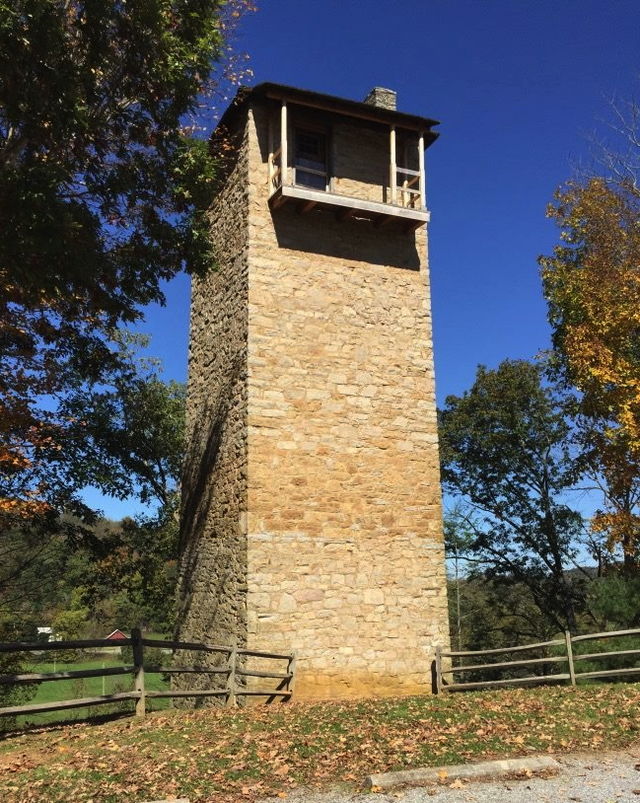
The Jackson Ferry Shot Tower: From Mine to Musket
|
|
|
|
|
|
Before modern factories, turning raw lead into musket shot required height, gravity, and careful timing. The Jackson Ferry Shot Tower used all three.
|
This article traces how the tower worked, why it mattered, and how a quiet structure along the New River played a role in a much larger industrial story.
|
|
|
|
|
|
|
|
|
|
Appalachian Foodways
|
How Cast-Iron Flavor Shaped Mountain Cooking
|
|
|
|
|
Cast iron shows up in mountain kitchens the way family stories do, already there when you arrive. Skillets, Dutch ovens, and lids worn smooth by use.
|
This article explores how cast iron shaped what people cooked, how food tasted, and why those flavors became part of everyday Appalachian life.
|
|
|
|
|
|
|
|
|
|
Folklore & Legends
|
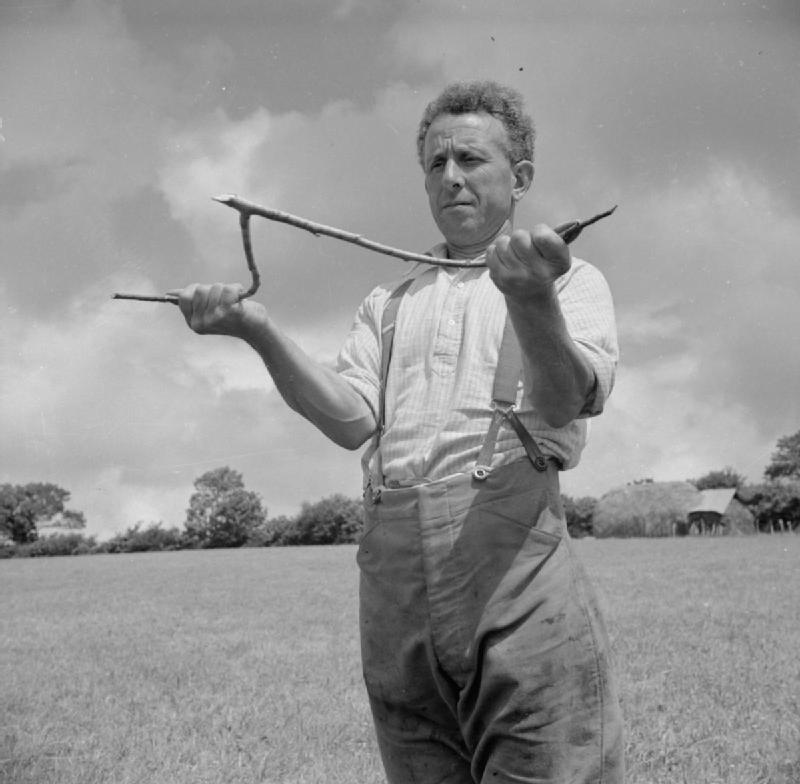
Water Witching Folklore in the Blue Ridge
|
|
|
|
If you grew up in the mountains, you probably heard someone talk about “witching” for water. A forked stick, a slow walk across a field, and a belief that the ground could speak if you knew how to listen.
|
This piece looks at where water witching came from, how it was used, and why the practice still lingers in mountain memory even as modern methods took over.
|
|
|
|
|
|
|
|
|
|
Thanks for taking the time to read along. These stories are meant to be taken slowly, the same way the mountains usually are. I’ll see you next month with a fresh set from the ridge.
|
|
|
|
|
|
|
|