|
|
|
|
Blue Ridge Tales — February 2026
Vol. 3 #2
This month’s stories look at how people made everyday life work in the Blue Ridge. Not the big moments, but the practical choices made at home, in the kitchen, and on the land. How food was kept. How belief showed up without a pulpit. How music and place held on when there was no reason to think they would.
|
These are quiet stories, but they last.
|
|
|
|
|
|
Blue Ridge Travel
|
Burkes Garden Virginia: Crossing Into a Hidden Valley
|
|
|
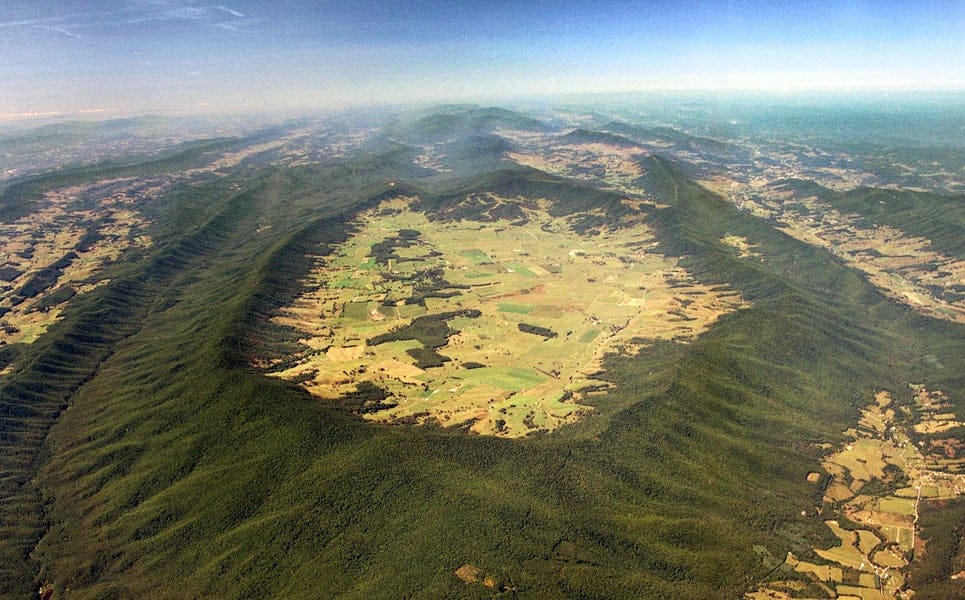
There’s a moment on the road into Burkes Garden when the land drops away and the world opens up. This story follows that descent into a place shaped by isolation, work, and continuity, where geography still sets the pace and the past feels close enough to touch.
|
|
|
|
|
|
Appalachian Faith and Folk Practice in the Home
|
|
|
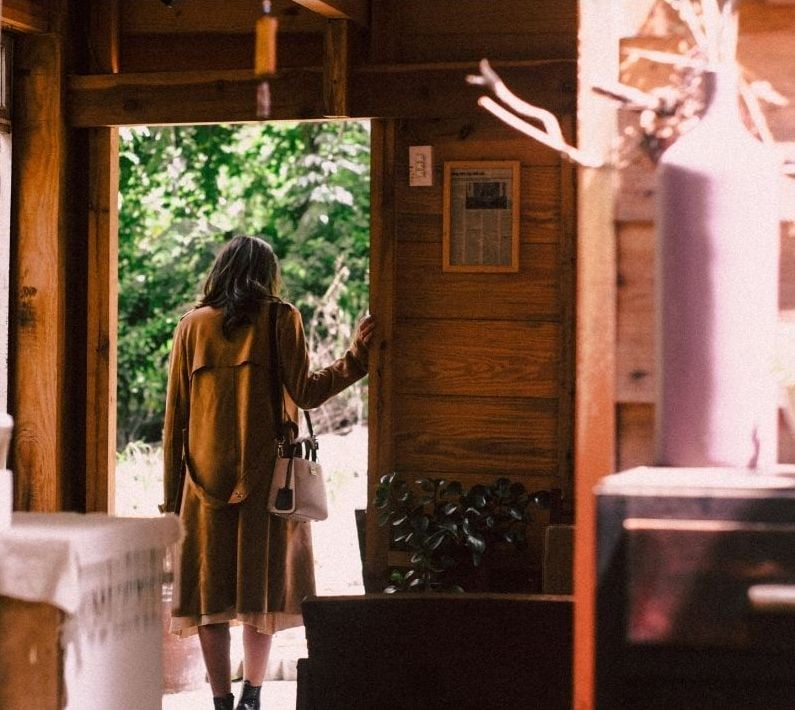
Before churches were common or convenient, belief lived close to the hearth. This story looks at how Appalachian families blended faith, habit, and quiet ritual inside their homes, from spoken blessings to objects that carried meaning without explanation. It’s not about doctrine. It’s about what people did when belief had to fit daily life.
|
|
|
|
|
|
Canning Sausage: How Mountain Families Kept Meat
|
|
|
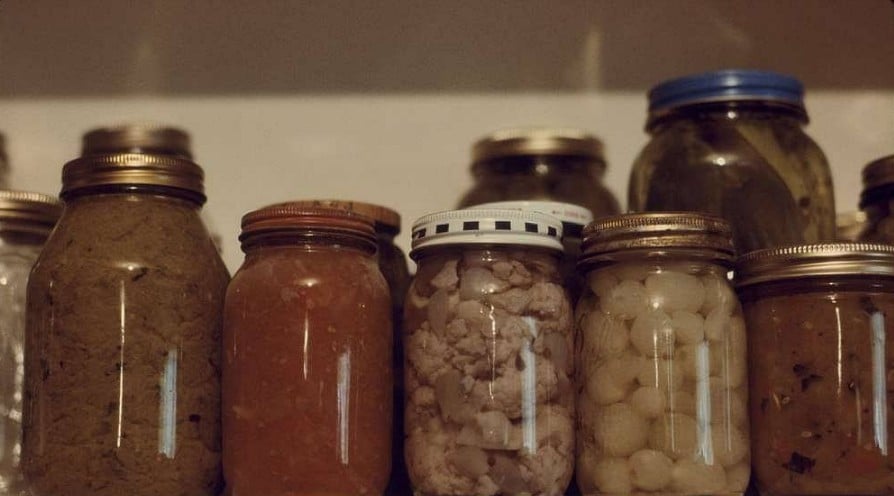
Long before freezers, Appalachian kitchens solved a practical problem with patience, timing, and hot grease. This piece traces how canning sausage fit into the rhythm of hog killing, winter preparation, and shared labor. It’s a reminder that preservation wasn’t just about food. It was about making sure nothing went to waste.
|
|
|
|
|
|
Inside the World of the Appalachian Song Catchers
|
|
|
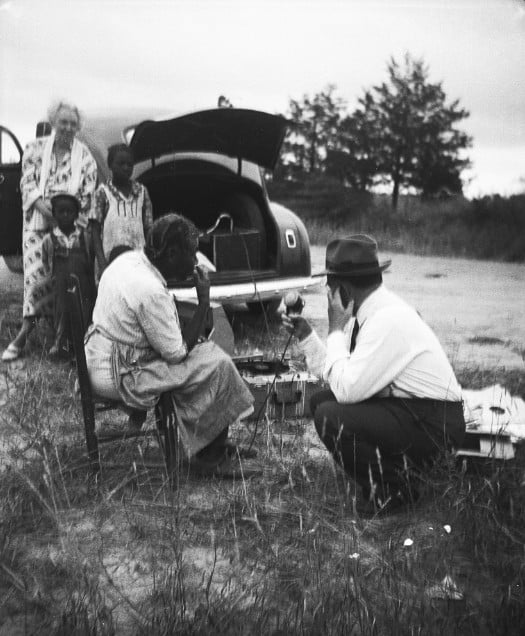
The phrase “catching a song” once had a literal meaning in the Southern Appalachians. A singer shared a tune, someone else listened closely, and the melody passed from one memory to another. Nothing was written down. The old songs stayed alive only as long as someone could remember them. When early visitors stepped into the mountains during the twentieth century …
|
|
|
|
|
|
|
|
|
Thanks for reading. These stories don’t rush to impress, but they reward attention. I’m glad you spent some time with them.
|
If someone you know enjoys this kind of reading, feel free to pass it along.
|
|
|
|
|
|
|
|