Mountain Weather Signs When Forecasts Failed
An installment in our Folklore & Legends series
A weather report for Galax, VA, might call for scattered showers, but drive a few miles toward Pipers Gap or down into a Carroll County hollow and you’ll see how quickly that forecast unravels. One ridge catches the rain. The next stays dry. Along the Blue Ridge escarpment in Patrick County, a few hundred feet of elevation can turn a passing sprinkle into a steady soak. Even now, with radar glowing on a phone screen, the sky keeps its own counsel.
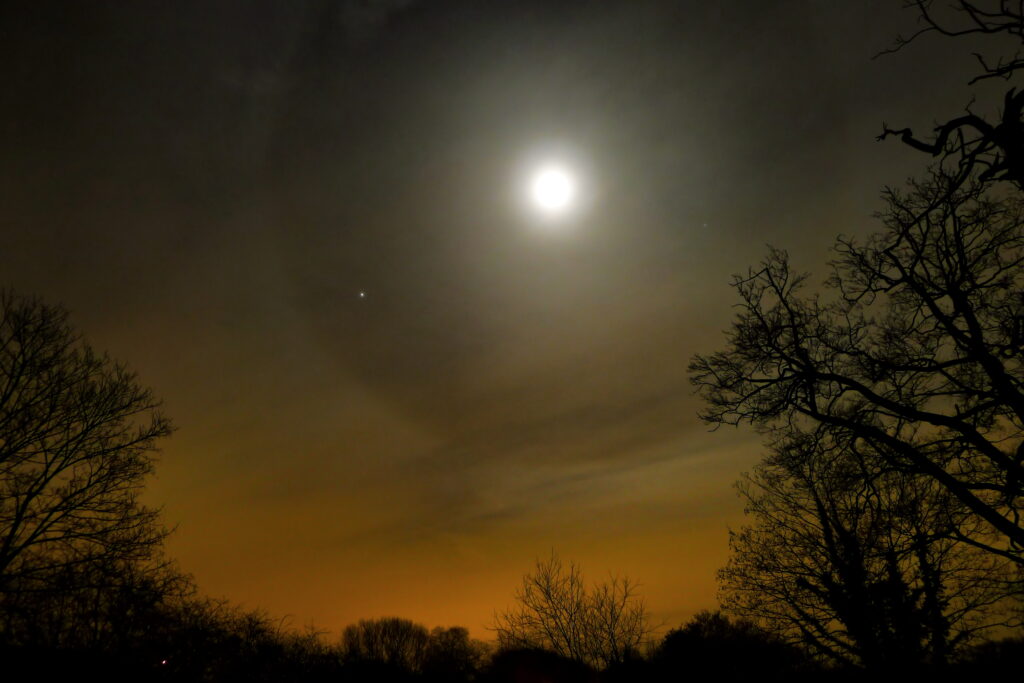
Now put yourself in 1930, standing in a hay field near what would soon become the Blue Ridge Parkway corridor. The hay lies cut in windrows. It’s dried for two days, but the stems still hold a little moisture. It needs one more full day of sun. A neighbor says the radio forecast from Roanoke sounds fair. But a faint halo hangs around the moon, and the air feels heavy against your shirt.
Bale too soon, and you trap that moisture inside. The bales heat. Mold spreads. Cattle turn away from it. In rare cases, a barn can even catch fire. Wait and let rain fall on loose hay, and you lose time and some quality, but you don’t seal in the damage. The wrong decision costs winter feed. “Make hay while the sun shines” isn’t a proverb here. It’s arithmetic, and the mountain weather signs farmers trusted when forecasts failed helped them solve it.
One Field, One Forecast, One Risk
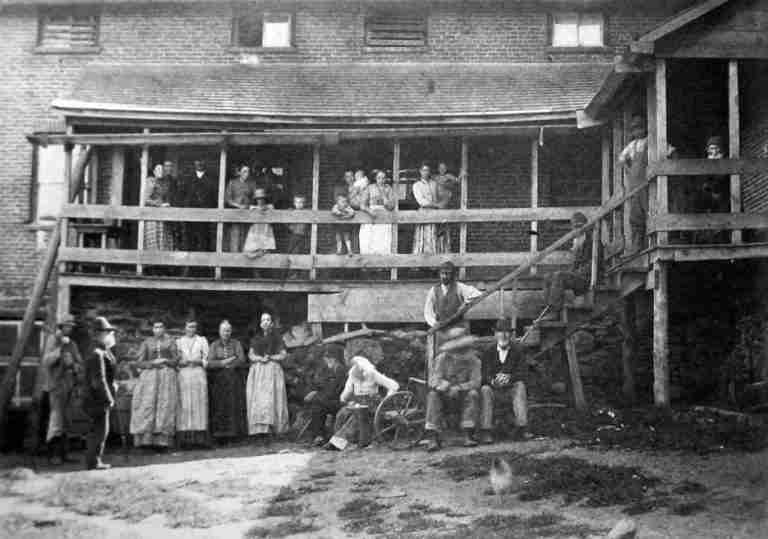
By 1930, the U.S. Weather Bureau had been issuing forecasts for decades. Radios were becoming common across rural Virginia, especially battery-powered sets that reached farms beyond town limits. But the forecast heard in Carroll or Patrick County was regional. It covered a wide stretch of Southwest Virginia. It didn’t account for cold air pooling in a narrow hollow or rain breaking apart along the Plateau.
Hay demanded timing. After cutting, grass had to cure to a safe moisture level before baling or stacking. If rain fell before it was fully dry, a farmer lost days and some value, but the crop could often be turned and dried again. Bale while it’s still damp, and the loss is locked in. That meant spoiled feed and money spent replacing it.
So he listened to the radio. Then he stepped outside and read the sky.
Why Forecasts Fell Short in the Mountains
The Blue Ridge and the Allegheny Plateau create complicated weather. Elevation shifts change temperature and rainfall. Valleys trap cool air at night. Ridges intercept moisture moving east or west. Even today, National Weather Service forecasts rely on broad grid models that smooth over these differences.
In 1930, the tools were simpler. Observations were taken at established stations and telegraphed to regional centers. Reports were issued for cities and counties, not for specific slopes or hollows. A “fair” forecast in Roanoke might hold in town but fail on a north-facing hillside in Patrick County.
That gap between forecast and field forced farmers to rely on what they could see and remember. A regional report shaped the week. The sky over the pasture decided the day.
Reading the Mountain Weather Signs
Mountain weather signs weren’t idle sayings. They were patterns tested against outcome.
A halo around the moon was one of the most-watched signals. A ring often points to high cirrostratus clouds made of ice crystals, and those clouds frequently precede widespread rain. When a farmer saw that halo, he knew the next day might not stay clear. That knowledge mattered if hay needed just one more afternoon.
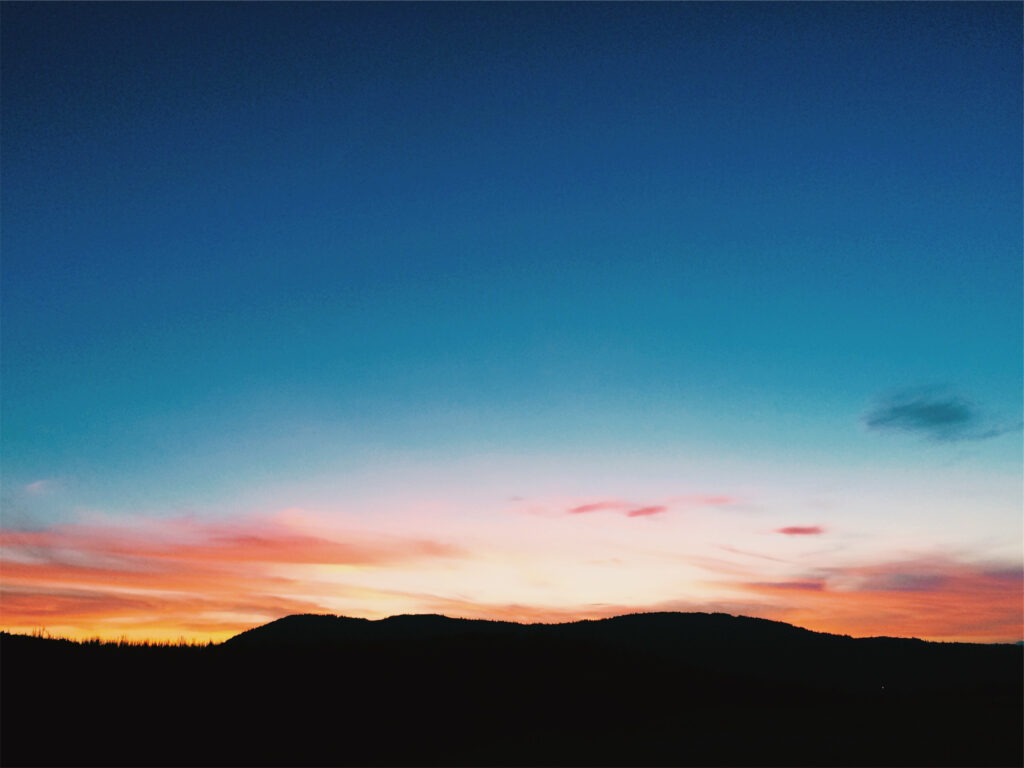
Red sky at sunset offered another clue. The old maritime phrase “red sky at night, sailors’ delight” travels inland for a reason. A red sunset can signal dry air and high pressure moving in from the west. A red sunrise can mean moisture already advancing. Cutting under a red dawn carried more risk than cutting under a clear evening sky.
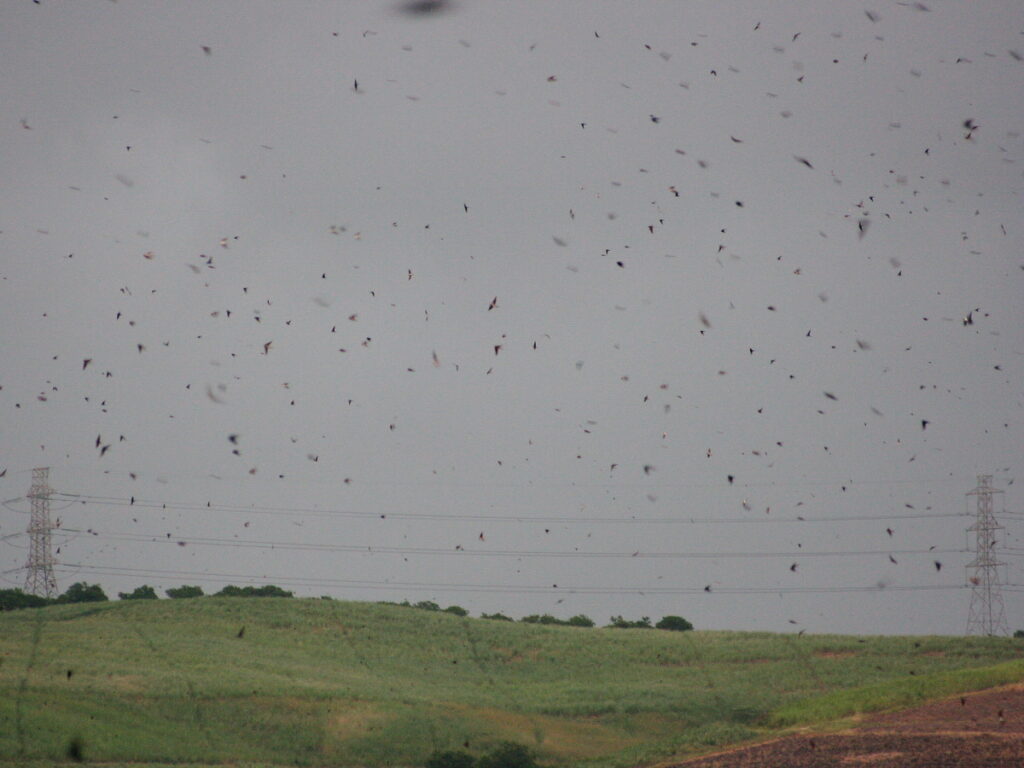
Swallows flying low weren’t mystical. In humid air, insects drop closer to the ground. Swallows follow their food. If birds skimmed the pasture at dusk, the air was shifting. That could be reason enough to wait before turning windrows.
Wind direction carried its own message. A steady swing toward the southwest often preceded frontal systems in this region. Farmers noticed that change before clouds thickened. A few hours of patience could protect months of feed.
Some signs were less dependable. The brown band on a woolly bear caterpillar has long been said to predict winter severity. Studies have found no consistent link between those markings and the coming season. Still, the story persists. Winter is distant. Hay curing is immediate. One invites conversation. The other demands a decision.
The difference between these signs lies in consequence. Some shaped real-time choices. Others filled space between seasons.
Pattern Recognition, Not Superstition
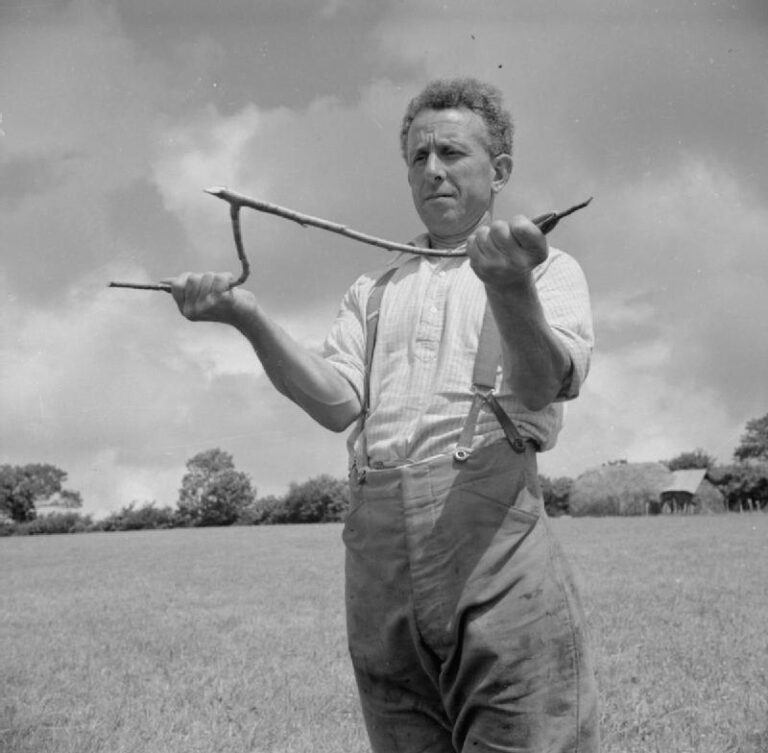
A farmer working the same ground for decades built a quiet record in memory. He knew which fields held frost longest. He knew which ridgelines caught early snow. He remembered when August fog lingered and what followed.
Mountain weather signs fit into that record. They narrowed uncertainty. They answered a practical question: Is it dry enough, and will it stay dry long enough?
Every weather choice carried weight. Livestock depended on stored feed. Cash reserves were thin. One spoiled cutting tightened the margin. Several in a row could put a farm in debt.

When the Mountain Weather Signs Failed
Observation wasn’t protection against everything. Summer storms could rise fast along the Blue Ridge. A system could stall over one ridge and miss the next. Farmers guessed wrong at times. Hay darkened in the field. Corn bent flat. Tobacco tore in the wind.
Mountain weather signs didn’t remove risk. They reduced exposure to it in terrain where forecasts lacked precision.
Back to the Hay Field
Return to that field in 1930. The forecast says fair. The moon carries a halo. The hay feels almost dry, but not quite.
He chooses not to bale that evening.
Clouds thicken early the next morning. Rain arrives before midday. The loose hay gets wet, but it isn’t trapped in twine. When the sun returns, he spreads it again and waits.
Had he baled the night before, the moisture sealed inside would have ruined the crop. Instead, he loses time, not the season’s feed.
Today, along the Parkway corridor in Carroll and Patrick counties, radar and satellite data have replaced telegraphed reports. Yet forecasts still smooth over elevation. One ridge catches the rain. The next stays dry.
Mountain weather signs when forecasts failed weren’t about resisting science. They were about protecting feed, livestock, and livelihood in terrain that refuses to behave uniformly. In these mountains, reading the sky still carries consequences.
More Appalachian Folklore
See more mountain legends, local tales, and story traditions on the Folklore page.
Appalachian Folklore and Legends Collection
Enjoying Blue Ridge Tales? I hope so. If you’d like to help keep the site ad-free and the stories rolling, you can buy me a coffee.
To stay connected, subscribe to my Blue Ridge Tales newsletter, and have stories and updates delivered once a month to your inbox.