The Mountain Privy: Sanitation in Appalachian Homes
An installment in our Appalachian History and Culture series.
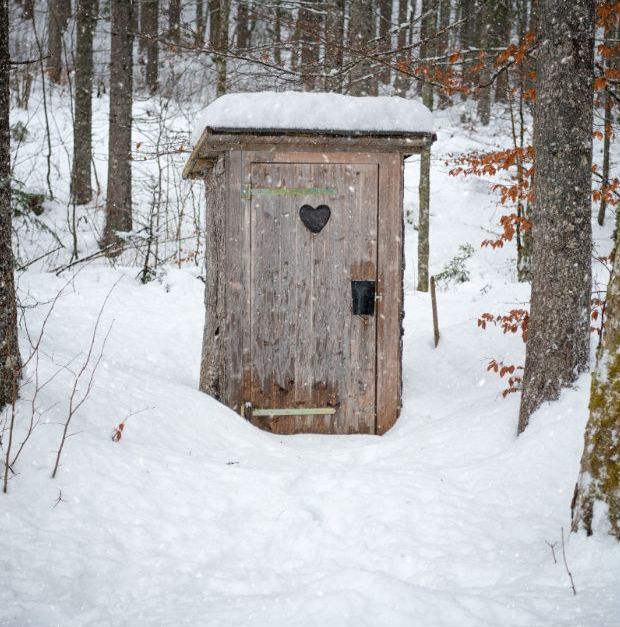
Imagine a winter morning in 1910. You step outside before dawn and pull the kitchen door shut behind you, listening for the latch to catch. The cold doesn’t creep in gradually. It smacks you in the face. Snow lies crusted across the yard, firm in some spots, hollow in others, and your boot finds yesterday’s path without much thought.
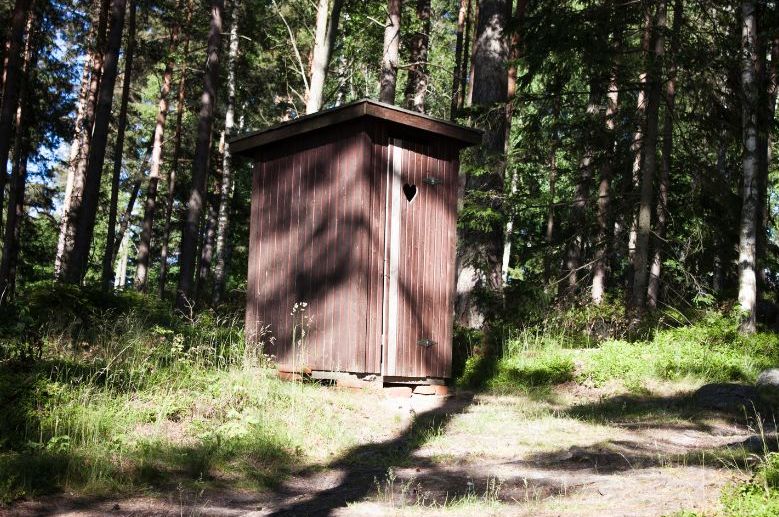
You make your way toward the mountain privy at the edge of the yard. The kitchen window glows behind you for a few steps before fading into the dark. The structure stands where it has always stood, its boards weathered, its roof carrying a quiet layer of snow.
The door resists at first. You pull again, and the hinge bends with a squeak. Inside, the air is dry and sharp. You pause long enough to adjust to the dim light, then finish what brought you there.
When you step back outside, you turn toward the pump before heading in. The iron handle feels stiff after a night of cold. You wrap your hand around it and begin to work it up and down, slow at first, then steady. The pump gives a hollow cough before the water rises. After a few strokes, it flows in a clear stream into the waiting bucket, splashing against the metal. The handle resists the upward pull and settles with a dull weight on the downstroke. You keep at it until the bucket is full enough to carry without spilling, then lift it carefully and make your way toward the porch. By the time you reach the porch with the morning water, the house is beginning to stir.
Why the Mountain Privy Sat Where It Did
You wouldn’t build a mountain privy wherever it seemed convenient. You built it where it had to go.
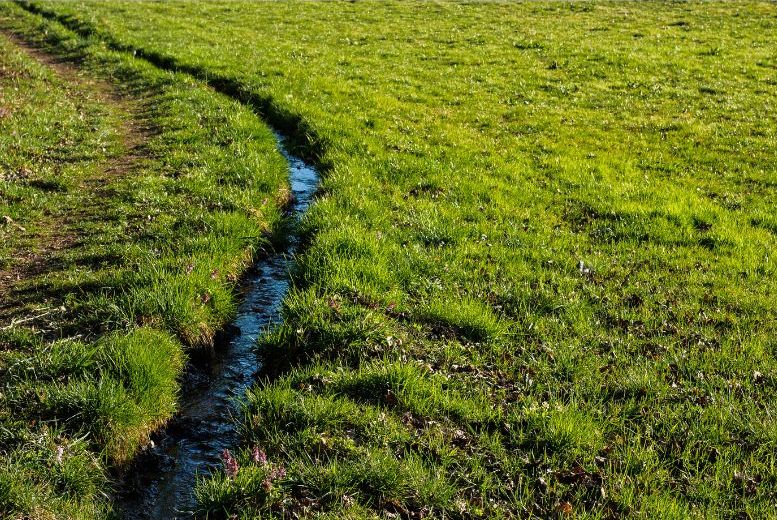
If it stood too close to the well, you risked the water your household relied on every day. Rain moved through the soil. Snowmelt followed the slope. Whatever lay in its path—animal waste and other contaminants—traveled with it. Over time, families learned to watch how water behaved in their yards. The privy was placed downhill from the well to avoid bacteria in surface runoff.
Low spots were avoided. Hollows collected water. On steeper slopes, the structure was angled so runoff moved away from both the well and the garden. On tighter plots, you studied the yard until the drainage pattern made sense. The path of rain mattered as much as the path your boots followed each morning.
Distance from the house created its own issues. The walk needed to be doable in the dark, yet far enough that summer heat wouldn’t carry odor back toward the porch. You weren’t arranging things for comfort. You were arranging them so the yard worked.
The pit itself required care. It was dug deep enough to serve the household for years, but not so deep that the walls gave way. Rocky soil demanded time and iron tools. Clay required patience. Some families lined the interior with boards to slow erosion. Others relied on packed earth and regular attention.
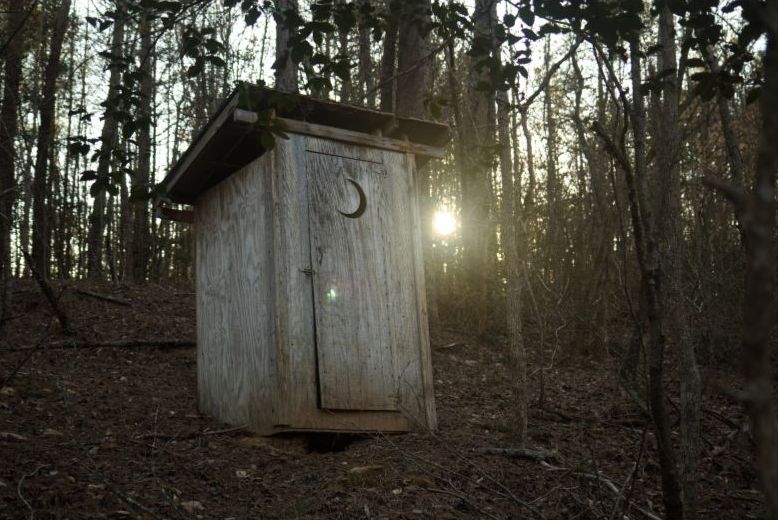
Ventilation was built into the design. A small opening and pipe in the roof allowed air and methane gas to move upward. The crescent cut into the door let in light and improved circulation. Lime helped reduce odors when it was available. Ash from the stove could be used when it wasn’t.
After a heavy rain, if the well water turned cloudy, you didn’t ignore it. A shallow trench might be cut to redirect surface flow. Fences were shifted. In some cases, the mountain privy was moved farther downhill. Adjustments like that were part of keeping water clean.
Living With the Mountain Privy Through the Year
The structure didn’t change much from season to season, but the walk to it did.
In winter, the path had to be packed down or brushed clear. The boards inside held the night’s cold. Hinges stiffened. Frozen ground slowed what happened in the pit below. What entered in January waited for the thaw.
Spring softened everything. The yard turned slick. Mud clung to boots and followed you back toward the porch. You watched your footing more closely and wiped your shoes before stepping inside.
Summer pressed heat into the boards and held it there. Odor traveled farther in heavy air, and flies gathered faster than you’d like. The door stayed shut. Visits were brief. The routine didn’t change, but the season made itself known.
Autumn offered time to make things right before the ground hardened again. Loose boards were replaced. Roof patches were secured. The pit’s depth was checked while digging was still possible.
The mountain privy remained where it was, working quietly at the edge of the yard.
When the Mountain Privy Became Public Health
By the early twentieth century, sanitation in rural communities drew wider attention. Hookworm campaigns moved through Appalachian counties, and extension agents visited farms with printed plans for improved privies. These designs often called for tighter lids, better ventilation, and, in some cases, concrete slabs to reduce contamination and insect infestations.
The concern centered on water and disease. Contaminated wells led to illness, and illness reduced the labor available to farms and mills. Public health efforts aimed to protect households from problems that could be prevented with better design and placement.
During the 1930s, federal programs in some areas helped families build sanitary privies using standardized plans. Materials were sometimes subsidized. Local carpenters were hired. The mountain privy began to reflect those changes, incorporating new features while retaining its familiar shape.
The Shift Indoors
Indoor plumbing arrived gradually.
Drilled wells replaced hand-dug ones. Hand pumps gave way to pressure tanks. Electricity reached some valleys before others. Septic systems required excavation, pipe, and expense, especially in rocky soil.
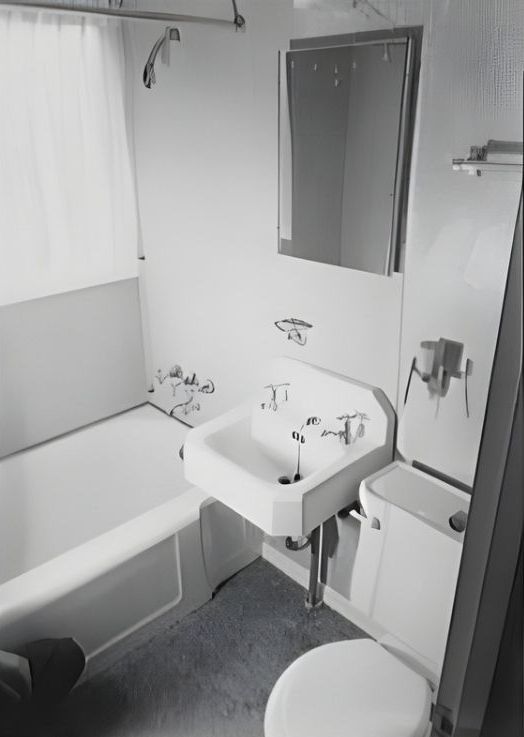
When the change reached a household, the yard grew quieter at dawn. Fresh water entered the house through one pipe, and wastewater left through another. The bathroom moved inside heated walls, altering the path you walked before breakfast.
The mountains didn’t grow easier overnight. But one steady task moved indoors.
What That Morning No Longer Requires
Stand again in that yard before daylight.
The path may have faded into grass. The well may be capped. The mountain privy is gone, its boards reused or weathered away.
Inside the house, a faucet turns and water runs without effort. A door closes in a heated room. The morning still comes early, but it asks something different of you.
More Appalachian History & Culture
Find more stories from the region’s past on the History and Culture page.
Appalachian History and Culture Collection
Enjoying Blue Ridge Tales? I hope so. If you’d like to help keep the site ad-free and the stories rolling, you can buy me a coffee.
To stay connected, subscribe to my Blue Ridge Tales newsletter, and have stories and updates delivered once a month to your inbox.