The Quiet Gaps in Appalachian Family History
An installment in our Appalachian History and Culture series
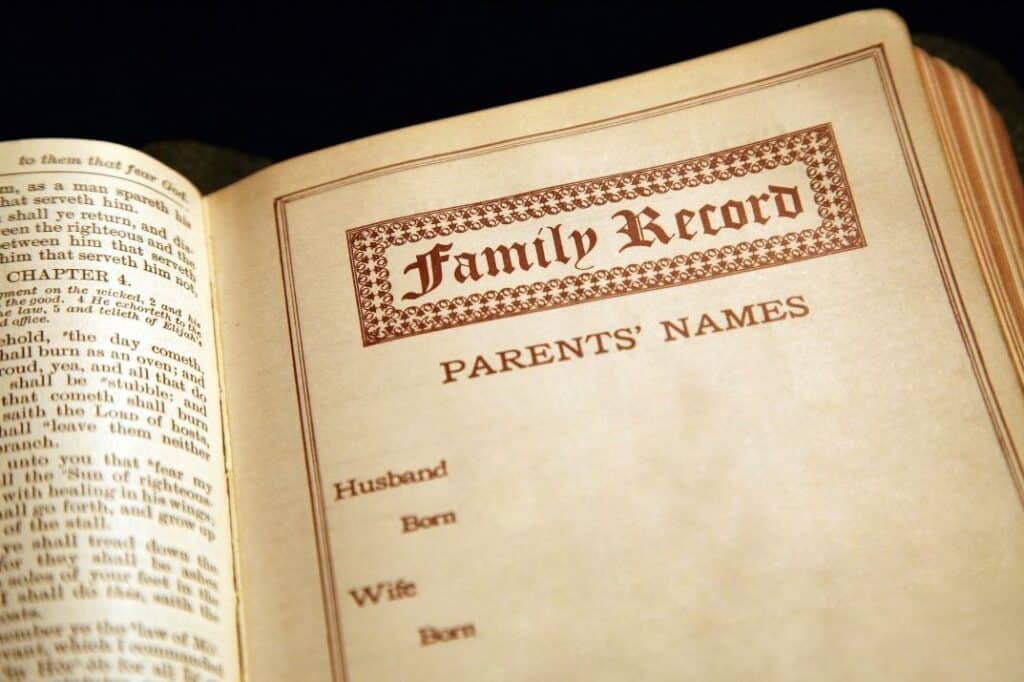
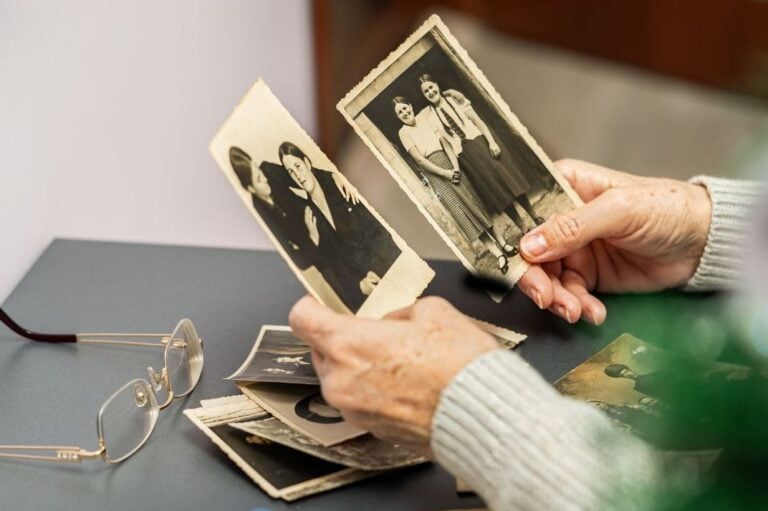
If you spend enough time with Appalachian family history, you notice the spaces where names should be. Old Bibles with half-filled pages. Photos with faces nobody can place. Stories that trail off when someone asks a question that a generation never answered. The gaps feel small at first, but they linger. They hint at people who carried the weight of daily life yet slipped quietly out of the record.
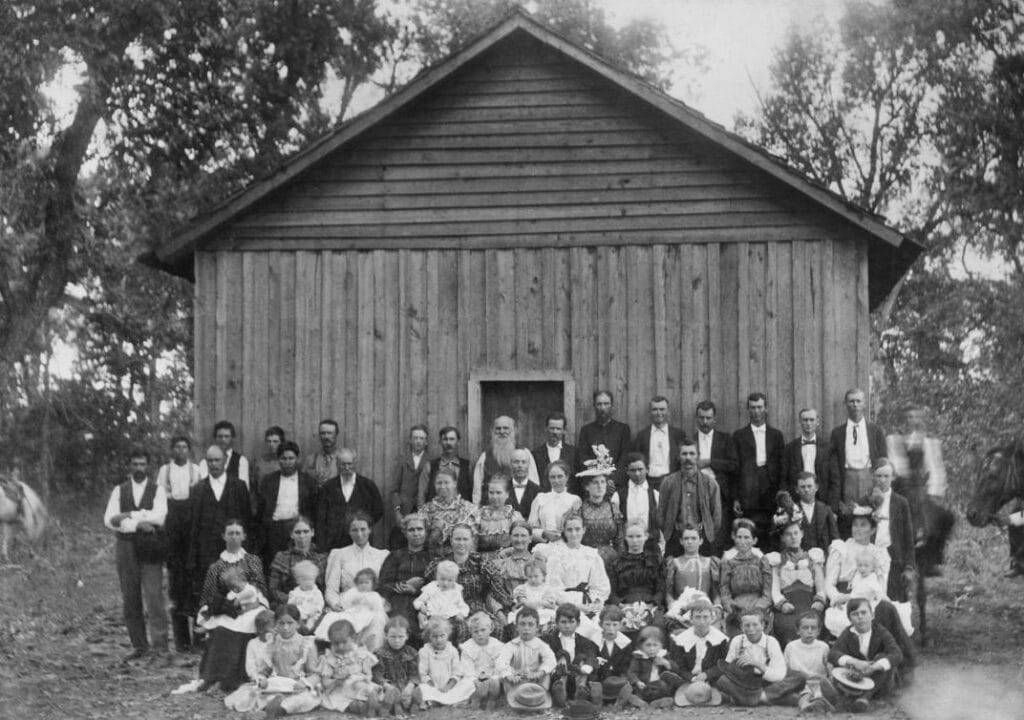
Those absences are part of the region’s story. Families in the mountains kept what they could, but survival left little time for documentation. People worked sunup to sundown, moved for opportunity, lost homes to fire, or lived entire lives without anything more official than a marriage line in a courthouse ledger. The result is an Appalachian family history that remembers some relatives in detail and leaves others in the shadows.
What Records Leave Out in Appalachian Family History
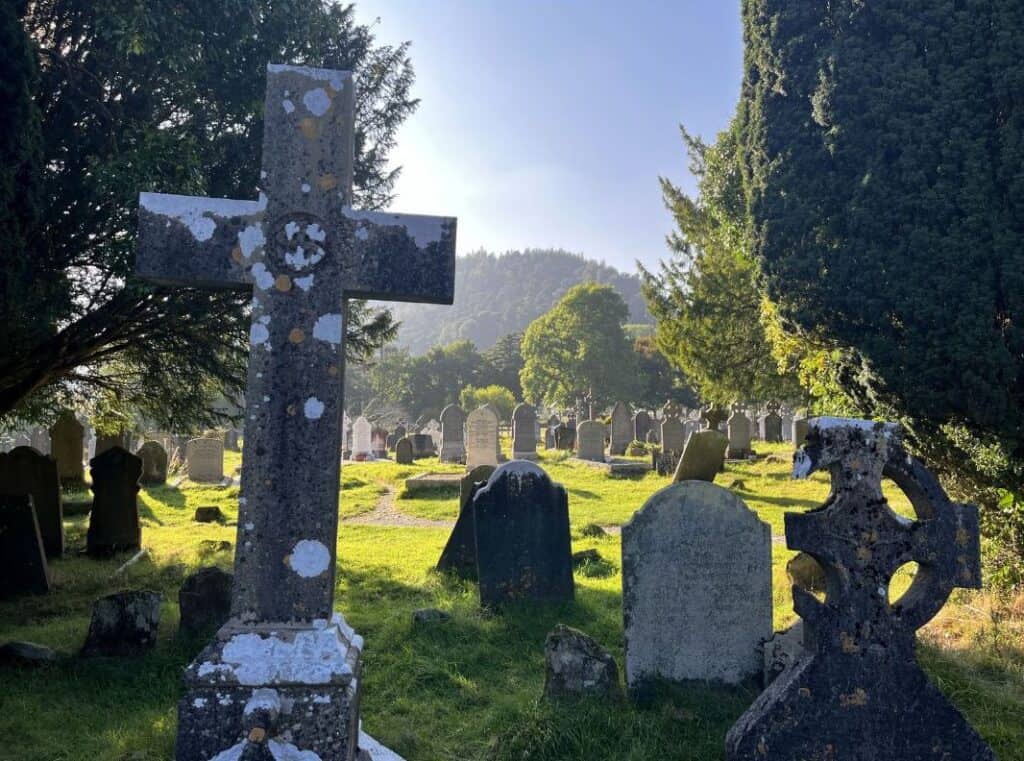
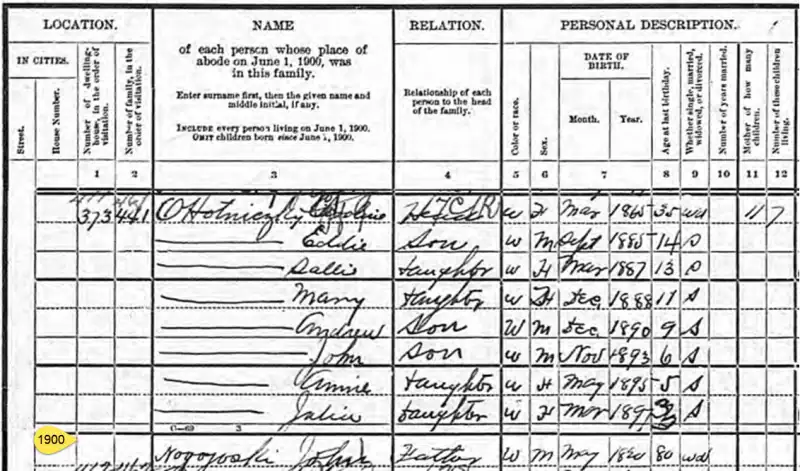
Official documents focus on the people who owned land, paid taxes, or held authority. Women often appear only beside a husband’s name. African American ancestors may be listed only by age or occupation before the twentieth century. Domestic workers, mill hands, miners, and tenant farmers appear briefly in a census and then vanish from the paper trail. Their presence in Appalachian family history is clear, but their stories remain thin.
“Some relatives show up in detail. Others leave only a line in a ledger.”
County records across the mountains show the same pattern. Gaps in wills. Gaps in pension files. Gaps created by courthouse fires. Gaps from clerks who wrote only what the law required. The missing information isn’t an accident. It reflects who society considered worth documenting and who lived a life that officials never bothered to describe.
The result leaves families with a history that feels lopsided. A grandfather’s land deeds survive, but the aunt who ran the household leaves nothing but a nickname. A great-grandfather’s war service is recorded, but the neighbor who kept his children fed and safe during a hard winter is unmentioned. These aren’t minor omissions. They shape how later generations understand where they came from.
How to Read Appalachian Family History Records
Appalachian records often look sparse. A name here. An age there. Sometimes a single occupation. The gaps are normal. They reflect how people lived and how clerks worked. The trick is learning what each type of record can tell you, even when the details seem thin.
Census Schedules
Census records list household members, ages, and occupations. They show where a family lived and who lived with them. Many women and laborers appear without much description, but their placement in a household gives clues about their responsibilities. A farm census may list livestock counts or crop production, revealing what daily work looked like.
Marriage and Death Registers
These often confirm connections that oral history remembered only in passing. A marriage line may contain the name of a parent or witness. A death register may include a cause of death. These slivers help form a clearer picture of a family’s circumstances.
Land Deeds and Tax Rolls
Land records show ownership, but they also reveal movement. When a family disappears from one county’s rolls and shows up in another, it signals a shift in opportunity or hardship. Tenants and mill workers seldom appear in these documents, so their absence is also meaningful. It points to a different economic path.
Church Records
Rural congregations kept baptism, membership, and funeral lists. These often survive even when courthouse collections do not. A name on a membership roll can confirm which community shaped a family’s life. Records of church discipline or committee work sometimes reveal glimpses of personality.
Local Papers and Obituaries
Small-town newspapers carried stories that never reached nearby cities. Wedding notices, community events, and reports from schoolhouses or mills offer context. Even when a person is unmentioned, the paper shows what the town considered important and what daily life felt like.
When Records Run Thin
Many families reach a point where the trail goes quiet. At that moment, the setting becomes the guide. Knowing the economic and social conditions of the time helps explain what a life might have looked like. A miner’s daughter in Wise County lived a different rhythm from a farm laborer in Floyd County. Understanding those differences keeps the story honest without drifting into invention.
Reading Appalachian family history records requires patience and respect. Each line, even a short one, holds part of a life. The gaps hold meaning, too. They remind us that this region was built by people who kept moving, worked hard, and often left little paper behind.
Finding the People Behind the Paper
Recovering a forgotten life in Appalachian family history often begins with a single trace. A census line. A scribbled name in the corner of a photograph. A baptism date written in faded ink. From there, the work shifts into context rather than certainty. You can’t invent details, but you can look at the time and place to understand the world that surrounded the person.
If a relative worked as a domestic in a farmhouse near Galax, the tools and routines of that household are well documented. If someone lived in a mill village in Fries or Draper, the hours, wages, and daily rhythms are known. If a great-grandparent faded from the written record after a move into coal country, the challenges of that life are available through verified accounts.
This approach doesn’t fill the gaps with fiction. It fills them with understanding. It lets a researcher see the conditions that shaped a life even when the documents say little. A name becomes more than a line in a ledger. It becomes a person who woke before daylight, managed a kitchen garden, fed livestock, raised children, or traveled long miles for work. The facts stay intact, but the humanity becomes visible.
When Silence Becomes the Story
Sometimes a life remains mostly blank on paper. The absence itself becomes important. A woman listed only once in a census. A laborer whose name appears on a single tax roll. A child who lived for a short season and left little more than a date in a Bible. Writing about that absence, even in a family notebook or local history project, gives shape to someone who mattered.
“A missing record doesn’t mean a life was small. It means no one wrote it down.”
Saying “nothing else is known” isn’t a failure. It is an honest record of how history works for ordinary people in the mountains. Most lives weren’t documented in full. They were lived in kitchens, fields, workshops, and boarding houses. They were carried forward in memory rather than paper, and memory fades when tellers pass on. Acknowledging that truth gives families permission to preserve what remains without trying to fill the space with invention.
Why These Quiet Gaps Matter
Every family in the Blue Ridge has someone who slipped through the cracks of Appalachian family history. Someone whose story never made it into a newspaper. Someone whose name was shortened, misspelled, or written down once and never again. These folks shaped the region just as much as the landowners, soldiers, or community leaders whose names appear more often in the archives.
By paying attention to the missing pieces, modern families do more than collect facts. They recognize the quiet work that kept households steady. They honor the labor that fed children, sustained farms, supported churches, and held communities together. Even when the record is thin, acknowledgment carries weight.
“These gaps remind us that many lives shaped the mountains without leaving much paper behind.”
The gaps will always be there, but they don’t signal that a life was small or unimportant. They simply remind us that history is selective. The mountains were built by countless hands, many of which never made it into the official story. Remembering them, even in small ways, adds truth to the past and gives future generations a fuller picture of where they come from.
More Appalachian History & Culture
Find more stories from the region’s past on the History and Culture page.
Appalachian History and Culture Collection
Enjoying Blue Ridge Tales? I hope so. If you’d like to help keep the site ad-free and the stories rolling, you can buy me a coffee.
To stay connected, subscribe to my Blue Ridge Tales newsletter, and have stories and updates delivered once a month to your inbox.