
The Signature Dish: When Food Becomes Family History
An installment in our Appalachian Foodways series

The reunion had barely started before people began lifting casserole lids and peeking beneath sheets of aluminum foil.
Children darted through rooms. Chairs scraped across the floor. Someone carried in a crockpot and set it on the counter. The meal was still an hour away, but the inventory had already begun.
“Did Aunt Carrie bring her baked beans?”
Cousin Debbie nodded toward the serving line.
“Over there.”
The answer seemed to satisfy everyone. Nobody asked what kind of beans they were. Nobody asked for the recipe. They simply wanted to know whether Aunt Carrie’s baked beans had made the trip.
Most Appalachian families have their own version of my Aunt Carrie. It might be the aunt known for her fried pies, the grandmother whose coconut cake disappeared before the meal began, or the cousin who never arrived without a bowl of potato salad. Eventually, the dish and the cook were inseparable.
The food mattered, of course. But the dish was never the entire story. The person bringing it was.
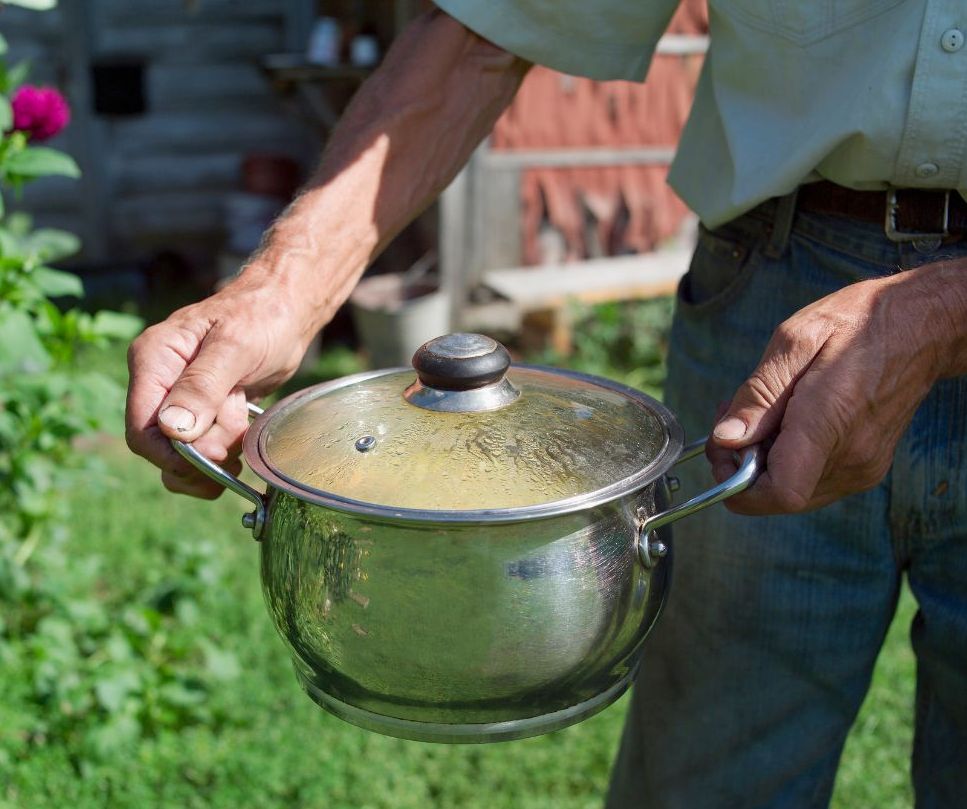
What Made a Signature Dish Special?
Nobody wakes up one morning and decides to become known for a particular dish.
It happens gradually.
Someone brings baked beans to a reunion. People enjoy them. The next year, they bring them again. Before long, relatives begin to expect them. If they arrive without the usual dish, someone notices.
The same thing happened at church suppers, homecomings, and holiday gatherings throughout Appalachia. Certain foods were attached to certain people through repetition. Year after year, they carried the same dish through the door, and year after year, family and neighbors looked forward to seeing it.
The dish itself mattered, but consistency mattered as well. A signature dish earned its reputation one gathering at a time. People knew what to expect. The beans would taste the way they should. The slow-smoked pork shoulder tasted like time and patience. The stack cake would be layered just as it had been for years.
The most memorable dishes weren’t always the most expensive or elaborate. Sometimes they were surprisingly simple. A dish of baked beans, a bowl of potato salad, or a coconut cake could become just as famous as a towering apple stack cake. What mattered wasn’t the cost of the ingredients but the care and skill behind them.
As the years passed, those dishes came to be part of a person’s identity. Mention Aunt Carrie, and someone thinks of baked beans. Mention another relative, and a different dish instantly comes to mind. The connection grew so strong that the food and the person were almost inseparable.
That’s when a favorite recipe evolved into more than just food. It became a signature dish.
The Dish Became Part of the Person
At some point, a familiar dish came to stand for the hands, habits, and stories behind it.
No one is remembered for just one thing. Aunt Carrie was more than a pot of baked beans. She had stories, opinions, habits, and a life beyond the reunion table. Still, families often tie memories to particular people, and food can become one of the most powerful connections.
Perhaps that’s because food stays with us in a different way than most memories. A familiar dish carries sight, smell, taste, and tradition all at once. A photograph may remind us what someone looked like. A signature dish can remind us what it felt like to be around them.
Most families have a collection of these associations. They become part of the family’s shared language. No explanation is necessary because everyone already understands the reference. Mention the dish, and everyone knows the person. Mention the person, and everyone remembers the dish.
Eventually, those connections enter the family’s history. New generations hear the stories and learn the names attached to certain dishes. They may never have met the person, yet they still know who made the beans, the cake, or the fried pies.

Some Things Can’t Be Written on a Recipe Card
When families talk about signature dishes, the conversation eventually turns to recipes.
Someone asks whether Aunt Carrie ever wrote hers down. Another relative claims to have a copy tucked away in a recipe box. Before long, comparisons begin.
“These are close.”
“They’re good, but not quite the same.”
Most cooks know why.
A recipe can tell you what goes into a dish, but it rarely captures everything that makes it memorable. It can’t fully explain how long someone stirred the beans, how much seasoning they added by instinct, or how many years they spent making the same dish before they got it exactly where they wanted it.
Many family recipes were never measured with complete precision. A pinch of this. A little extra of that. Cook until it looks right. Taste and adjust. Experienced cooks often relied on judgment more than instructions.
That’s one reason signature dishes were so difficult to duplicate. The recipe provided a starting point, but the finished dish depended on the person preparing it.
Perhaps that’s why family cookbooks are both valuable and frustrating. They preserve ingredients and techniques, but they can’t transmit experience. A recipe card can tell us what Aunt Carrie made. It can’t explain how she made it her own.
The recipe mattered, but it was only part of the story.

A Different Kind of Family Tree
Genealogy usually follows names, dates, and relationships. Family stories often follow a different path.
Ask relatives to describe the people they remember, and the answers rarely sound like entries in a family Bible.
One uncle was known for telling jokes. Another never missed a day of work. A grandmother could quilt through the winter months. And somewhere in those conversations, someone always mentions food.
In many families, signature dishes become part of that inheritance. A cousin may never have met Aunt Carrie yet know all about her baked beans. Not because they studied a recipe card, but because her name continues to surface whenever family stories are told.
That process happens naturally. No one plans it. The stories simply follow the paths they always have, passing from one generation to the next. Along the way, certain recipes, dishes, and traditions become markers that help keep those stories alive.
Perhaps that’s the lasting value of a signature dish. It contributes more than food to the table. It earns a place in the family’s story. Long after the meal is over, the dish remains part of how the family remembers itself.
The Real Legacy
Looking back, the subject was never just the beans.
When folks mention Aunt Carrie’s baked beans, they are acknowledging something larger than a recipe. Year after year, she carried the same contribution through the door until the dish was part of the family’s story.
The beans mattered, of course. But they were never the entire story. The person bringing them was.
More Foodways Stories
Explore the dishes, tools, and kitchen traditions that shaped mountain life on the Foodways page.
Appalachian Foodways Collection
Enjoying Blue Ridge Tales? I hope so. If you’d like to help keep the site ad-free and the stories rolling, you can buy me a coffee.
To stay connected, subscribe to my Blue Ridge Tales newsletter, and have stories and updates delivered once a month to your inbox.


