Water Witching Folklore in the Blue Ridge
An installment in our Appalachian History & Culture series
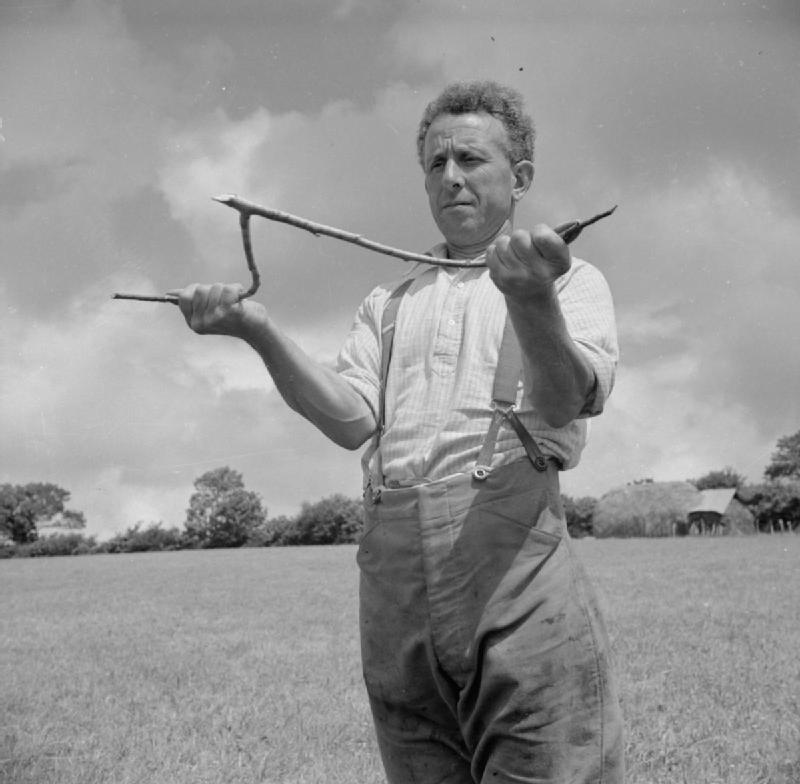
If you grew up in the mountains, you’ve probably heard someone talk about “witching a well.” Before water lines reached the high ridges, families leaned on neighbors who claimed they could read the ground with a forked branch. Whether folks believed every detail or not, the practice shaped everyday decisions. Water witching folklore grew from those moments and kept a place in mountain memory because it tied people to the land and to one another.
Why Water Witching Folklore Took Hold
Families didn’t treat dowsing as something strange. They treated it as a practical step when choosing a homesite. There were no maps, no surveys, and no nearby offices to guide them. What they did have were neighbors who spent their lives watching hollows dry out, springs hold on through August heat, and wells rise and fall with the seasons.
Calling someone to “witch the water” wasn’t an appeal to magic. It was a way to make the best decision you could, because digging a well meant hours of labor and risk. Water witching folklore grew from these moments because a good well could mean the difference between staying on a piece of land or moving on.
The Meaning Behind the Name
The word “witching” can mislead outsiders, but mountain families used it differently. In local speech, “witching” meant someone had a knack for something you couldn’t teach. A person might “witch” for lost livestock, predict a weather shift, or sense water underground. It didn’t imply spells or secrecy. It signaled experience.
A “water witch” wasn’t viewed as a mystic. They were simply someone known for paying attention to the land. Their judgment carried weight because people remembered the wells that lasted and the spots that stayed damp long after the creeks fell. Water witching folklore framed this skill as something handed down through patience rather than power.
How the Practice Worked on the Ground
The forked peach or willow branch is the image most people recall, but the tools varied. Some dowsers used bent wires. Others relied on a slow walk and what they sensed beneath their feet. The outward method mattered less than the observations behind it. Dowsers noticed soil that held moisture, slopes where water tended to pool, and low spots where runoff gathered after storms.
Even when the branch didn’t move, the walk across a field had value. The dowser read the land the way others read a map. Over time, water witching folklore folded these habits into the story. People didn’t always understand how a dowser knew something, so the gap between the act and the explanation created space for the folklore to grow.
Sidebar: Tools Used in Water Witching
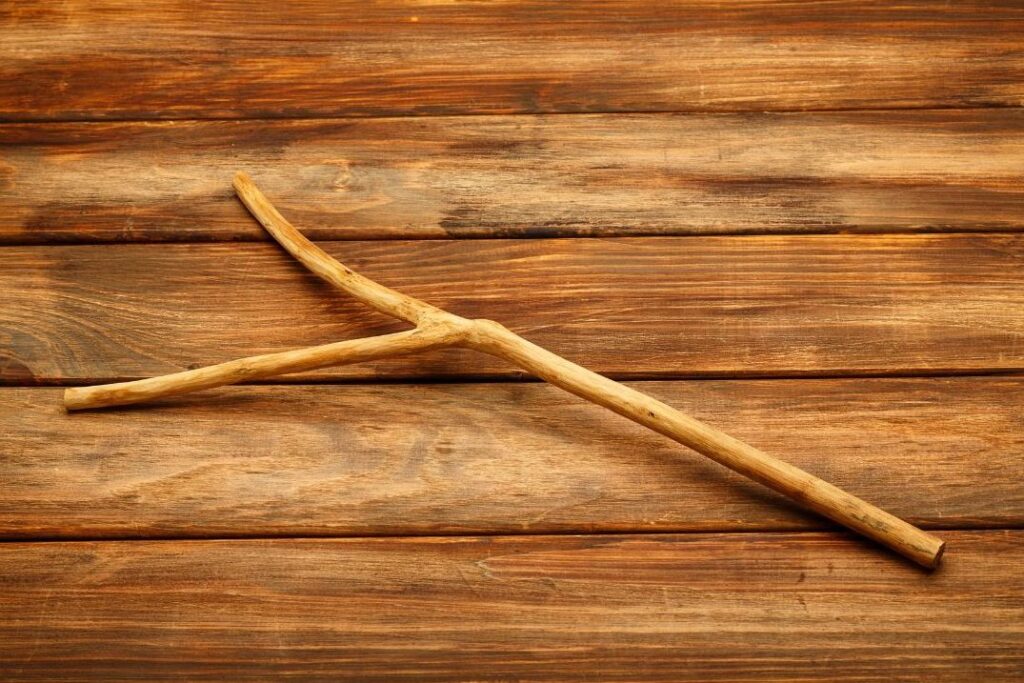
Forked Branch
Most dowsers cut a fresh fork from a peach or willow tree. The branch was light, flexible, and easy to shape into the “Y” needed for the walk across a field.
Bent Metal Wires
By the mid-1900s, some folks switched to two L-shaped wires made from coat hangers or scrap fencing. They held one in each hand and watched for the wires to swing toward one another.
Walking the Land
Plenty of dowsers said the tool mattered less than paying attention. They watched how the ground held moisture, how slopes curved, and where runoff gathered after storms.
Local Memory
Not a tool you could hold, but one that mattered just as much. Dowsers relied on long experience with the terrain—knowing which hollows stayed damp, which ridges fed springs, and where older wells had succeeded.
The Dowser as a Community Figure
Every county had a few people known for this work. They didn’t advertise or promise results. They just showed up when asked and did what they’d always done. If the well produced water, their reputation spread. If it failed, folks blamed the land rather than the dowser.
Families remembered the person who walked their property, the quiet way they paused over a fence line, or the quick nod toward a patch of ground. These moments became part of family stories, and those stories helped water witching folklore take root. The dowser’s value wasn’t tied to mystery. It was tied to trust.
Water Witching Folklore in Modern Memory
Modern well-drilling rigs don’t need a forked branch, but some landowners still ask an old-timer to walk the property before the crew arrives. They’re not expecting magic. They’re looking for the same grounded judgment their grandparents leaned on.
Today, water witching folklore survives mostly in memory—stories traded at kitchen tables, mentions in family histories, or recollections of relatives who swore their well came from one quiet walk across a field. The practice isn’t common anymore, but the stories linger because they reflect a deeper truth about the mountains. People depended on the land, and the land rarely offered simple answers.
Look closely at those stories, and you’ll see why they’ve lasted. Water mattered. Land mattered. Neighbors mattered. Witching a well offered a way to bring all three together, and that connection still holds a place in Blue Ridge memory.
More Appalachian Folklore
See more mountain legends, local tales, and story traditions on the Folklore page.
Appalachian Folklore and Legends Collection
Enjoying Blue Ridge Tales? I hope so. If you’d like to help keep the site ad-free and the stories rolling, you can buy me a coffee.
To stay connected, subscribe to my Blue Ridge Tales newsletter, and have stories and updates delivered once a month to your inbox.