When Appalachian Family Stories Go Untold
An installment in our Appalachian History and Culture series.
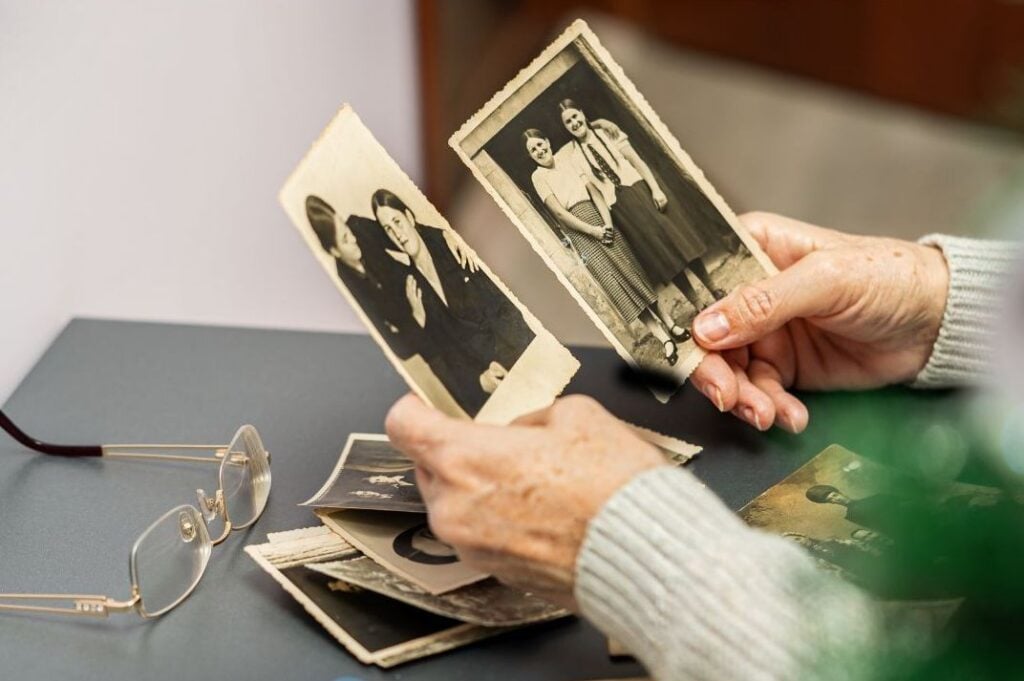
You’re sitting at the table with a box of old photos. Some are loose. Some are stuck together. A few have curled at the corners. You recognize faces, but not always names. You know they’re family, but you can’t always say how.
You turn one over, hoping for something written on the back. A date. A place. A name. There’s nothing there.
If you’ve been through this, you know the feeling. It isn’t just curiosity. It’s the slow realization that some of the people who could explain these pictures are gone. And with them, a lot of the story.
In many families, especially in this part of the country, Appalachian family stories were carried in conversation, not on paper. Someone was always nearby to say who it was, what was happening, and why it mattered. When that person is gone, the photo is still there, but the meaning is thinner.
And that can sit heavy.
Appalachian Family Stories and the Questions Nobody Can Answer Now
You start noticing how many questions come up.
Who is this standing next to your grandmother?
Why does that child look so serious?
Where was this taken?
What was going on in their life at the time?
Sometimes you can guess. Sometimes you’re wrong.

In many Appalachian households, the story behind a photo wasn’t something you wrote down. It came up naturally. Someone would point and explain. It didn’t feel urgent at the time, because the explanation was always available.
Until it wasn’t.
That’s usually when people realize how much was held in memory alone.
Not the big public events. The small things. Why someone moved. Why someone quit a job. Why two people stopped speaking. Why a house looks empty in one picture and full in the next.
Those details don’t show up in records. They lived in people.
How Appalachian Lives Slipped Past the Paper Trail
Much of life today leaves a record. School files. Job histories. Medical charts. Government forms.
For most of Appalachian history, that wasn’t the case.
Work could change from season to season. People learned skills from relatives or neighbors because something needed fixing or someone needed help. A woman might run a household that kept several families fed and cared for, and never appear in any official record for it. A man might spend years moving between different kinds of work and show up on paper as “laborer,” if he showed up at all. Who kept track of such things? Why would anyone think to write it all down? These things were “life in progress,” not a novel to be written.
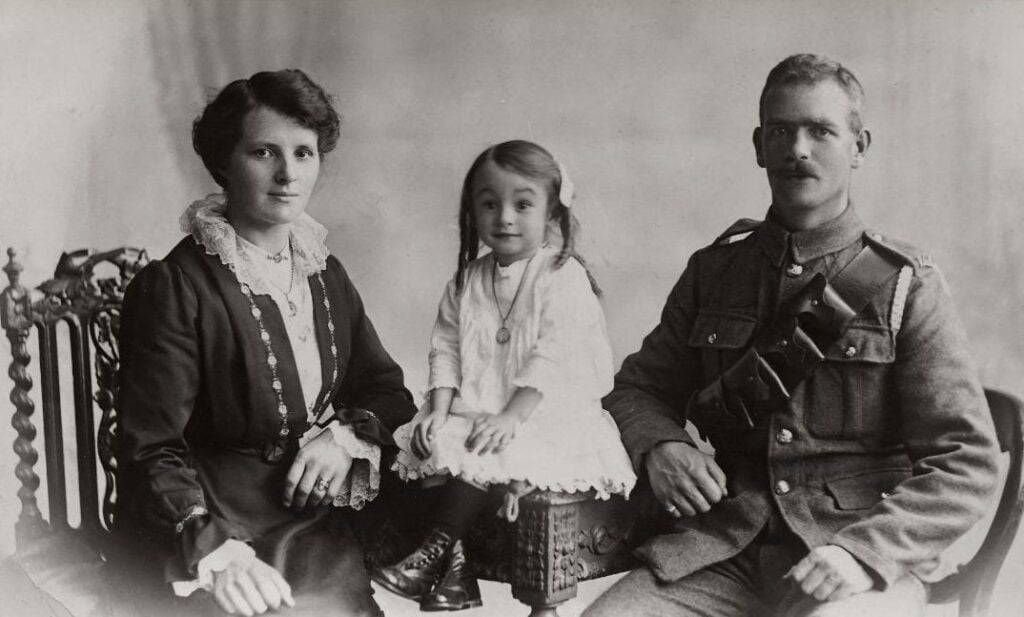
That doesn’t mean their lives were simple or empty. It means the systems that collect information weren’t built to notice what they were doing.
So when later generations go looking, they often find very little.
That’s why Appalachian family stories matter so much. They fill in the gaps left by the paperwork.
Appalachian Family Stories Are How Families Remember What Actually Happened
If you’ve ever listened to an older relative talk about the past, you know how different it sounds from what’s written down.
They don’t start with dates. They start with people.
They tell you who helped when someone got sick. Who took in children when money ran out. Who knew how to fix things. Who could be counted on. Who couldn’t.
They explain choices that don’t make sense on paper. Why someone stayed in a hard place. Why someone left a decent job. Why a family changed towns. Why two branches of the family drifted apart.
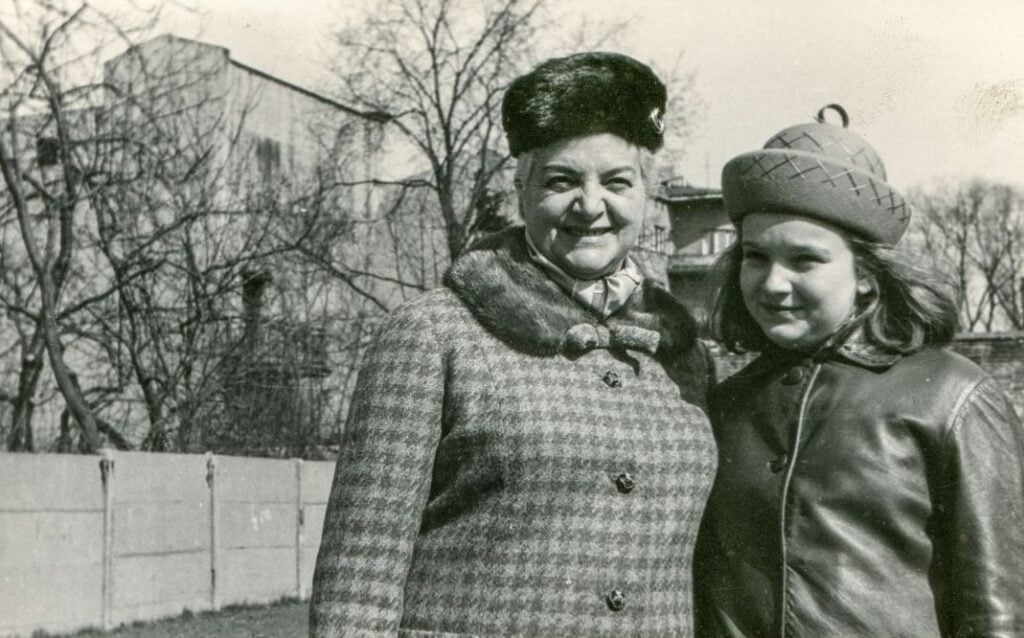
Those explanations don’t fit into neat categories. But they’re the difference between seeing a life as a list of facts and understanding it as something that had weight and pressure and responsibility.
When those stories aren’t told anymore, families are left with pieces instead of a whole.
When Records Become the Only Story Left
If stories fade, other things take their place.
Sometimes it’s a census line that lists a name and an age.
Sometimes it’s a job title.
Sometimes it’s a court document or a medical note.
Those records aren’t wrong. They’re just narrow.
They don’t tell you what a person carried for their family. They don’t tell you what kind of neighbor they were. They don’t tell you what they were good at when nobody was watching.
And when that’s all that remains, it’s easy for people, even family members, to start seeing their own past through categories that never really fit.
That’s part of how stereotypes take hold. Not because people mean harm, but because the fuller story isn’t there to correct the thin one.
Keeping Appalachian Family Stories from Disappearing
This isn’t about turning your family history into a project.
It’s simpler than that.
If there’s someone still alive who remembers, listening matters. Asking matters. Letting them talk in their own way matters.
If there are photos without names, it’s okay to wish you’d asked sooner. Most people do. Regret is part of this, too.
But even now, some things can still be saved. A few names. A few explanations. A few stories that turn a stranger in a picture back into family.
That’s how Appalachian family stories survive. Not through perfection. Just through being told at all.

What the Photos Are Asking For
When you sit there with that box, you’re not just looking at paper.
You’re looking at people who had whole lives that were never written down.
If you feel a pull to know more, that’s not sentimentality. It’s something practical. It’s the sense that without those stories, the past gets simplified into something it never really was.
The pictures don’t change.
But what they mean still can.
And sometimes, if you’re lucky, someone is still around who can tell you.
More Appalachian History & Culture
Find more stories from the region’s past on the History and Culture page.
Appalachian History and Culture Collection
Enjoying Blue Ridge Tales? I hope so. If you’d like to help keep the site ad-free and the stories rolling, you can buy me a coffee.
To stay connected, subscribe to my Blue Ridge Tales newsletter, and have stories and updates delivered once a month to your inbox.