
Window Charms in Appalachian Cabins
An installment in our Folklore & Legends series

Windows as Vulnerable Thresholds
When folks talk about old mountain cabins, they usually talk about the solid parts. Thick log walls. A stone chimney. A door you could shut and brace. Those are the features that suggest safety. What gets mentioned less often are the quieter details, like windows, and the small habits that formed around them. Window Charms in Appalachian Cabins grow out of that overlooked space, the places where a house opened to the outside.
The window was the place where the outside world most easily pressed back in. A window had to be there. You needed light. You needed air. But once an opening was cut into a wall, it could never be sealed the same way again. In that sense, a window was always a compromise.
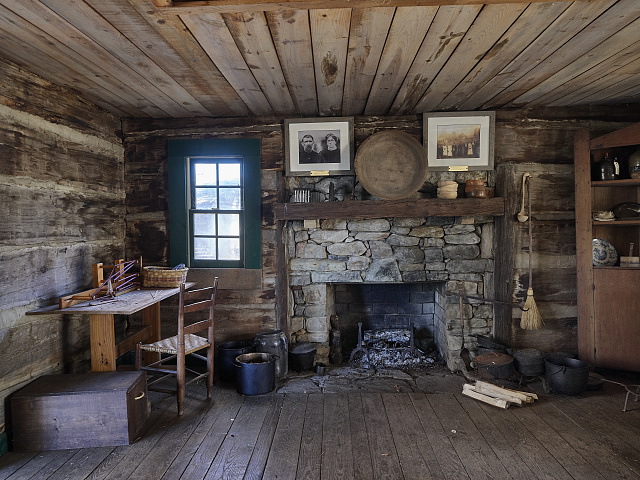
Cold air slipped through first. Dampness followed. Insects found their way in. Wind-driven rain had a habit of seeking out the smallest gap. In isolated mountain homes, those intrusions mattered. A draft wasn’t just uncomfortable. It could mean sickness. It could mean a child who never quite shook a cough before winter settled in.
That kind of daily awareness helps explain why windows sometimes drew care that went beyond carpentry. Tight frames and good joinery mattered, but so did quieter measures. Marks. Objects. Words placed nearby. Not decoration. Not display. Just another way of keeping watch. What we now group under the term “window charms in Appalachian cabins” grew out of that ordinary concern.
What Counts as Window Charms in Appalachian Cabins
The phrase “window charm” can sound theatrical, so it helps to set some limits. This isn’t a claim about magic, and it is not a term mountain families would have used themselves.
Here, it works as a practical label for small actions taken at or near windows that appear intended to protect the household. Sometimes that meant marks scratched into glass or wood. Sometimes, a cross was carved where a hand naturally rested near the frame. Some windows had written verses nearby, placed where they could be seen from inside the room. In a few cases, objects were positioned close to the opening, not blocking it, but quietly standing watch.
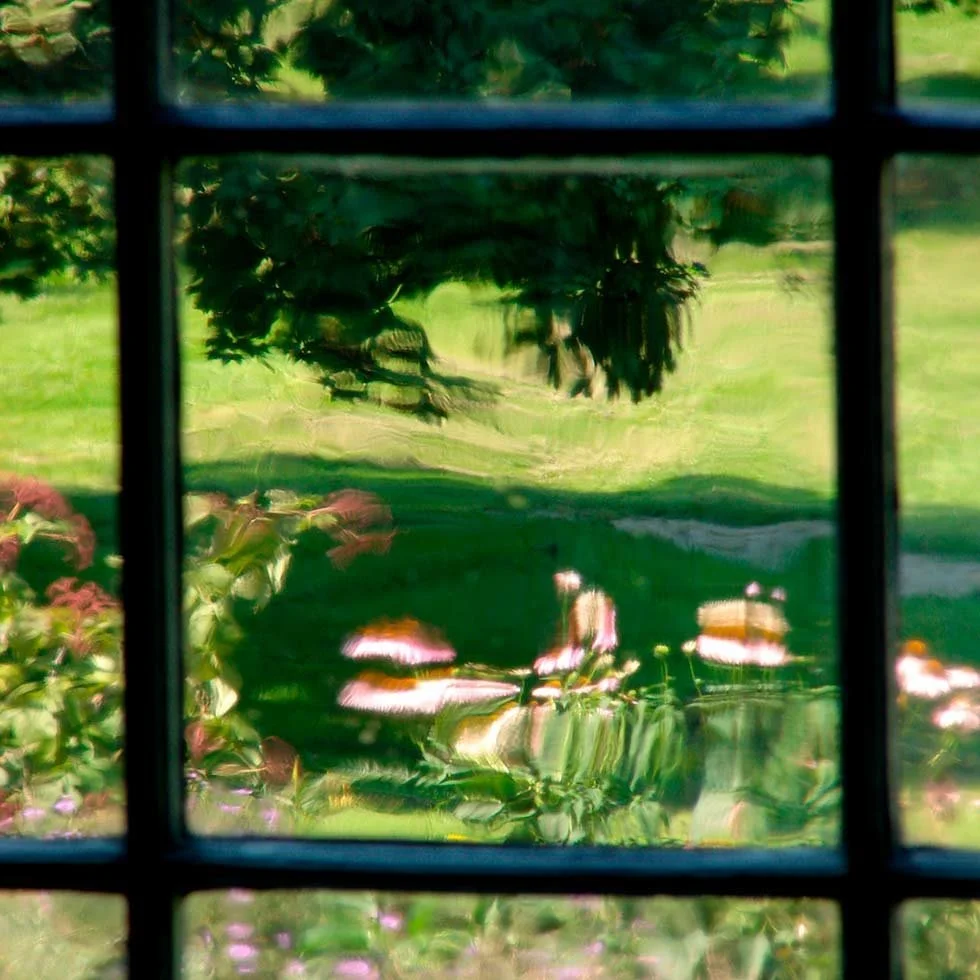
Not every scratch carries meaning. Glass ages. Wood gets nicked. That distinction matters. Archaeology doesn’t assign intent to every mark it encounters. What it allows is a narrower observation: in some cabins, windows received attention that suggests families treated them as places that needed guarding.
These actions were small. Easy to overlook. That subtlety is part of their story.
Evidence from Appalachian Cabins
Most of what we know about window charms in Appalachian cabins comes from structures rather than stories. Preserved cabins. Museum houses. Architectural surveys that recorded details before restoration altered them.
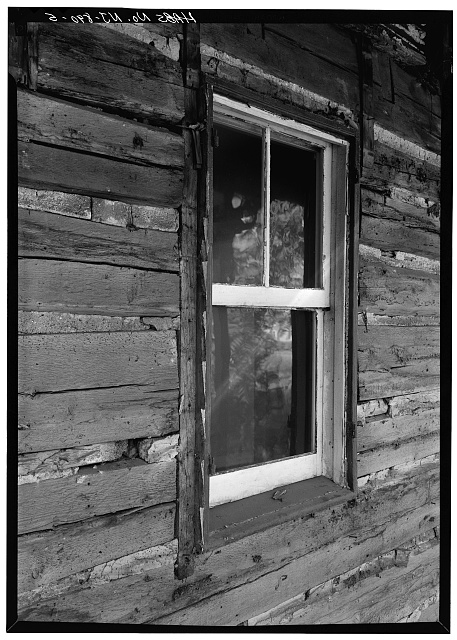
In several documented cases, researchers have noted repeated marks on window glass that don’t align with accidental damage. In other instances, symbols appear in consistent locations near frames, placed where they could be reached without effort. Written scripture has also been recorded near windows and doors, especially in households where faith shaped daily routines.
These protective markings aren’t consistent. They don’t appear in every cabin, and they vary widely from place to place. That matters. Practices shifted with families, with generations, and with circumstances. Absence of evidence doesn’t mean absence of concern, just as presence doesn’t point to a single shared system of belief.
What the record shows is attention. Windows were noticed. They were treated as points where harm might enter, and where a household might quietly push back.
Older Traditions and Faith at the Window
It makes sense to place these practices within a broader historical frame. Scratched symbols on glass and protective marks near thresholds appear in British and early American buildings, often documented by architectural historians rather than folklorists.
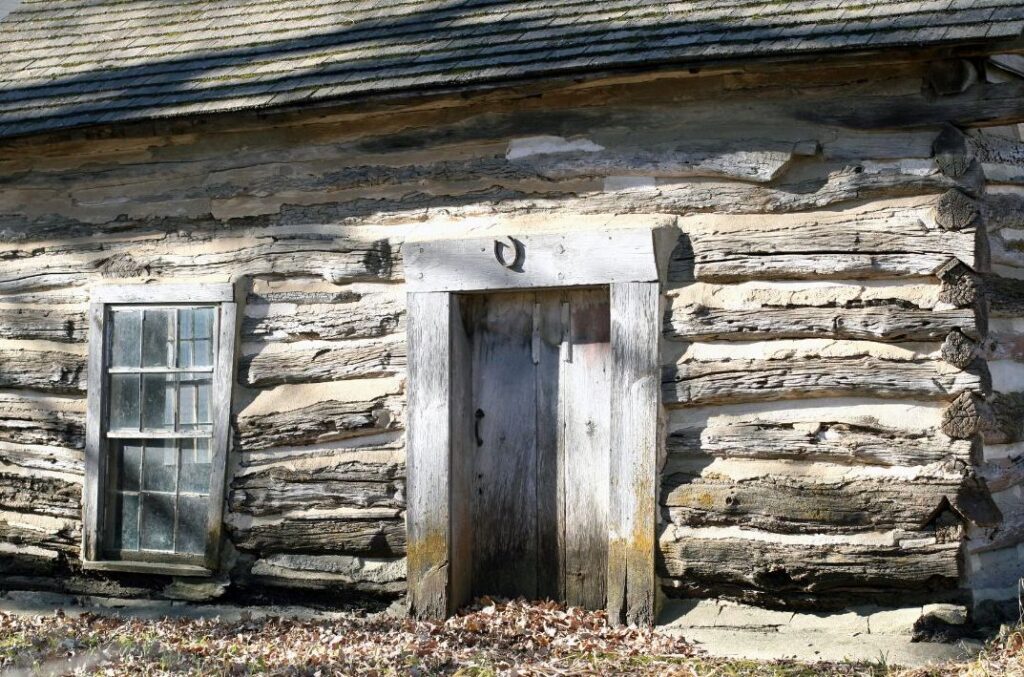
In Appalachian homes, protection rarely stood apart from faith. Scripture, prayer, and physical placement blended without much thought. A verse near a window wasn’t a spell. It was reassurance. A cross scratched into wood didn’t replace belief. It expressed it.
Modern categories can get in the way here. Separating religion from folklore works in a classroom. It made less sense in daily life. Folk protection practices in Appalachian homes grew out of responsibility rather than theory. People did what seemed reasonable using familiar words, familiar signs, and familiar habits.
None of this required explanation at the time. It was simply part of keeping house.
What Window Charms in Appalachian Cabins Tell Us Today
Many of these markings are easy to miss now. Old glass gets replaced. Wood is sanded smooth. Restoration favors clean lines and readable spaces. What once felt obvious to a family living in a cabin can disappear in a single renovation.
There is also the matter of expectation. Modern readers often expect folklore to announce itself. Dramatic stories. Clear symbols. Something that can be neatly labeled. Window charms in Appalachian cabins resist that expectation. They were never meant to be noticed by outsiders.
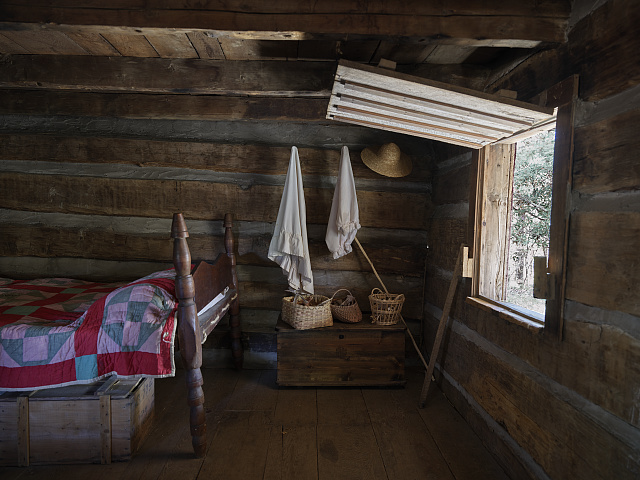
What they offer instead is a glimpse into how mountain households lived with uncertainty. Not fear, exactly. Awareness. Protection wasn’t loud or theatrical. It was built into daily life, alongside cooking, cleaning, and mending.
Seen this way, a small mark on a window or a verse tucked nearby doesn’t ask to be decoded. It asks to be understood as part of a careful, ordinary effort to keep harm outside and family inside. Sometimes, that is all folklore needs to be.
More Appalachian Folklore
See more mountain legends, local tales, and story traditions on the Folklore page.
Appalachian Folklore and Legends Collection
Enjoying Blue Ridge Tales? I hope so. If you’d like to help keep the site ad-free and the stories rolling, you can buy me a coffee.
To stay connected, subscribe to my Blue Ridge Tales newsletter, and have stories and updates delivered once a month to your inbox.