|
|
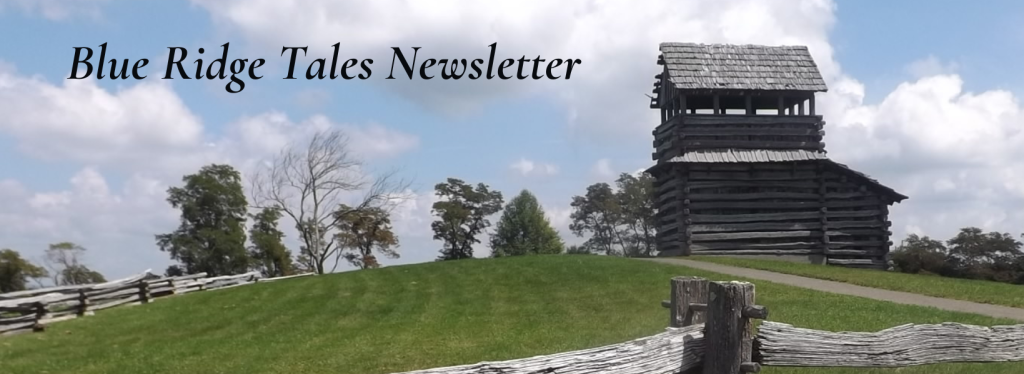
Blue Ridge Parkway Overlook at Groundhog Mountain, Meadows of Dan, VA
|
|
|
|
Howdy, and welcome to the April 2024 edition of the Blue Ridge Tales newsletter. I hope you enjoy my selections for the month.
|
|
|
|
|
|
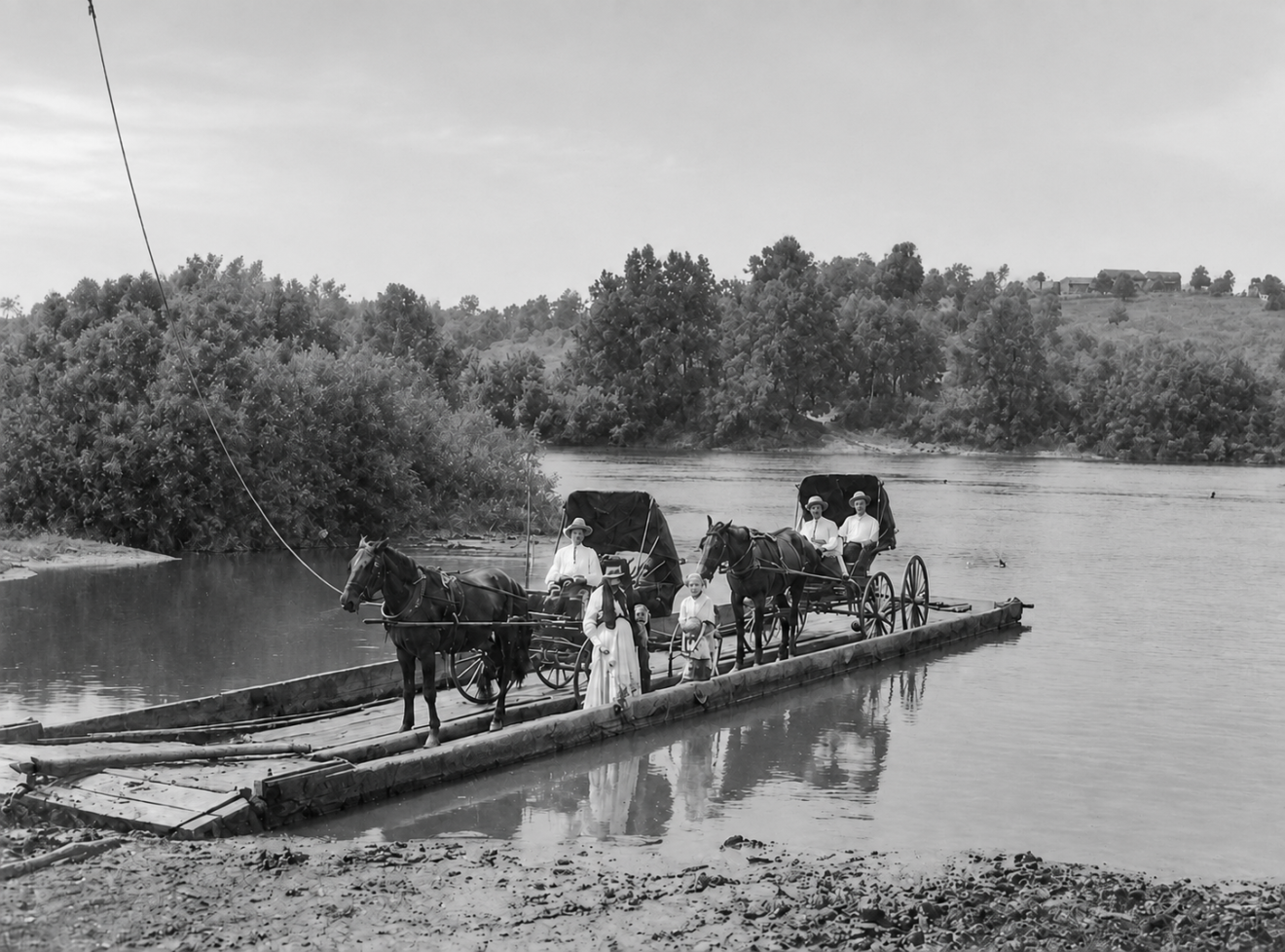
Many Roads, Few Bridges: The Appalachian Ferryman
|
|
|
|
An installment in our Appalachian History and Culture series. Roads Naturally Gathered at Crossings The road comes down out of the mountains and keeps going until it reaches the river. There is no bridge waiting there, no span of timber or iron carrying the road to the other side. The road simply meets the water. That was a common problem in the …
|
|
|
|
|
|
|
|
Appalachian Quilting Bees: Shared Work and Fellowship
|
|
|
|
An installment in our Appalachian History and Culture series. The frame nearly filled the room. Chairs crowded its wooden rails, and women leaned toward the stretched cloth wherever the light was best. At an Appalachian quilting bee, the household gave up much of a room so several women could work on the same quilt at once. One woman guided her needle from …
|
|
|
|
|
|
|
|
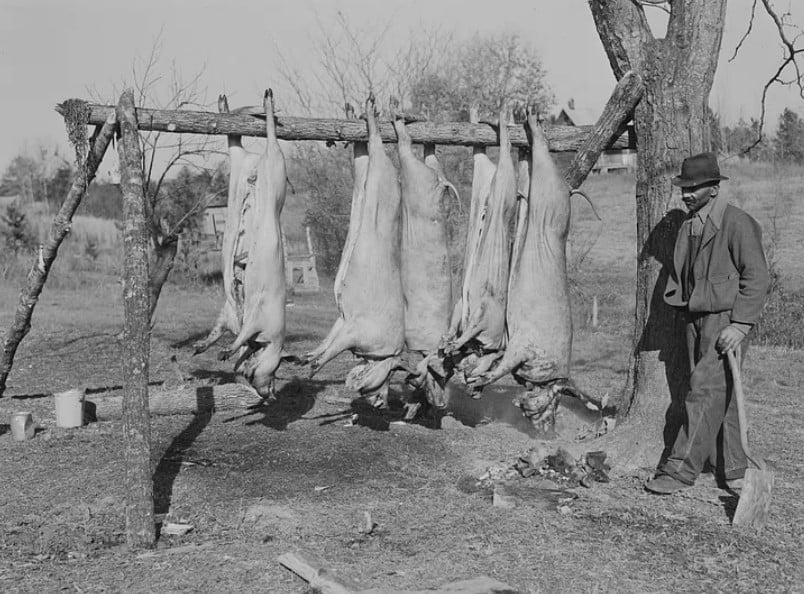
Hog-Killing Day: The Work That Filled the Pantry
|
|
|
|
An installment in our Appalachian Foodways series Waiting for Cold Weather By late fall, the hog was ready, but the family still had to wait. Knives could be sharpened. Salt could be laid in. The smokehouse could be made ready. None of that mattered much until the weather cooperated. Before refrigeration, cold air provided the safest window for turning a hog into …
|
|
|
|
|
|
|
|
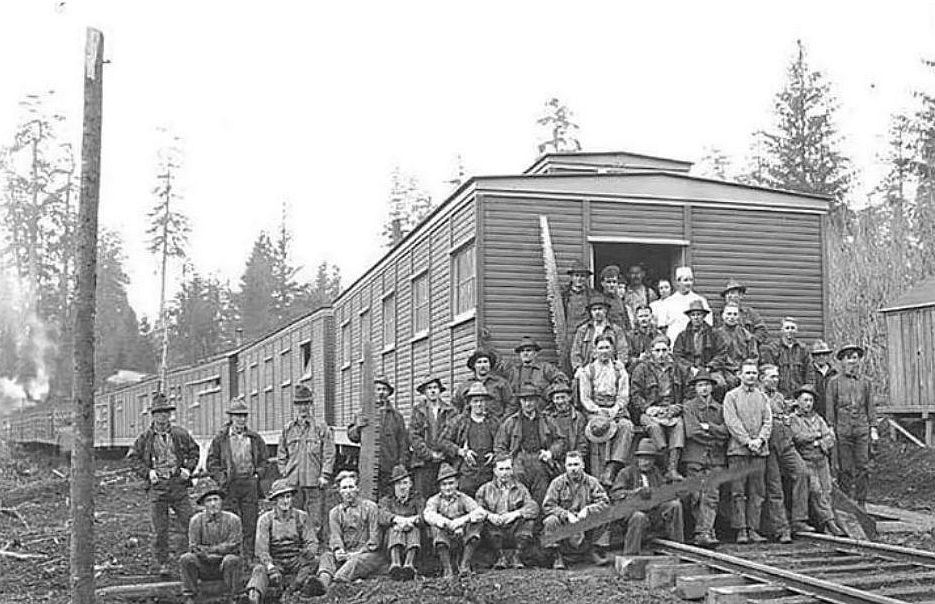
The Men Who Cut the Mountains
|
|
|
|
An installment in our Appalachian History and Culture series. The Farmer Goes to the Woods Not every man who went into the Appalachian woods to cut timber was a logger by trade. Some were farmers who left their own land seasonally because the timber companies offered something a small farm did not always provide: cash. That money had practical uses. It could …
|
|
|
|
|
|
|
|
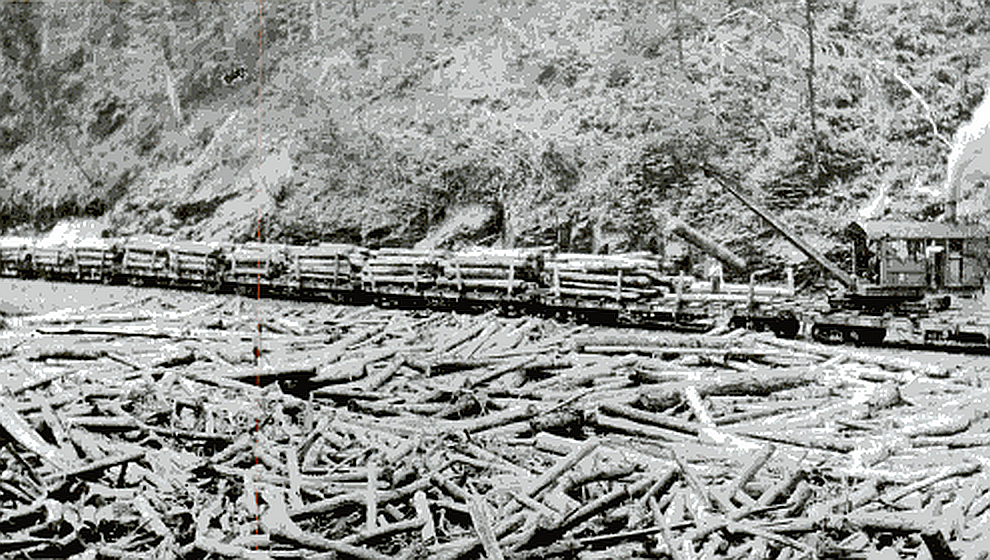
When the Mountains Became Timber
|
|
|
|
An installment in our Appalachian History and Culture series. A Forest That Wasn't Yet Timber Long before logging companies arrived in the Appalachians, people were cutting trees. A farmstead required lumber for a house and barn, rails for fences, and a steady supply of firewood. Wood became handles and tools. Small water-powered sawmills turned nearby logs into boards. The forest was already …
|
|
|
|
|
|
|
|
|
Well, that's it for this edition. I hope you enjoyed it. If you would like me to cover a particular topic, drop me a line at the address below. And don't forget to "like" our Facebook page.
|
|
 
|
|
|
|
|
|
Copyright Wayne Jordan 2024 All rights reserved
|
|
|
|
|