|
|
|
|
Blue Ridge Tales — June 2026
Vol. 3 #6
|
June is the season when people head for the mountains. They come for the overlooks, the trails, the cool air, and the chance to slow down for a day or two.
|
What they often miss are the stories hiding in plain sight.
|
This month, we'll look beneath the surface of some familiar Blue Ridge landscapes. A forest that became one of the richest ecosystems in North America. Hidden circles in the woods that once fueled an iron industry. Farm edges and brush piles that helped feed mountain families. Even a chapter of World War II history that unfolded in orchards and fields much closer to home than most people realize.
|
The Blue Ridge has a way of keeping its stories quiet. Here are four worth uncovering this month.
|
|
|
|
History & Culture
|
|
|
|
German POWs in the Blue Ridge: Work, Not War
|
|
|
|
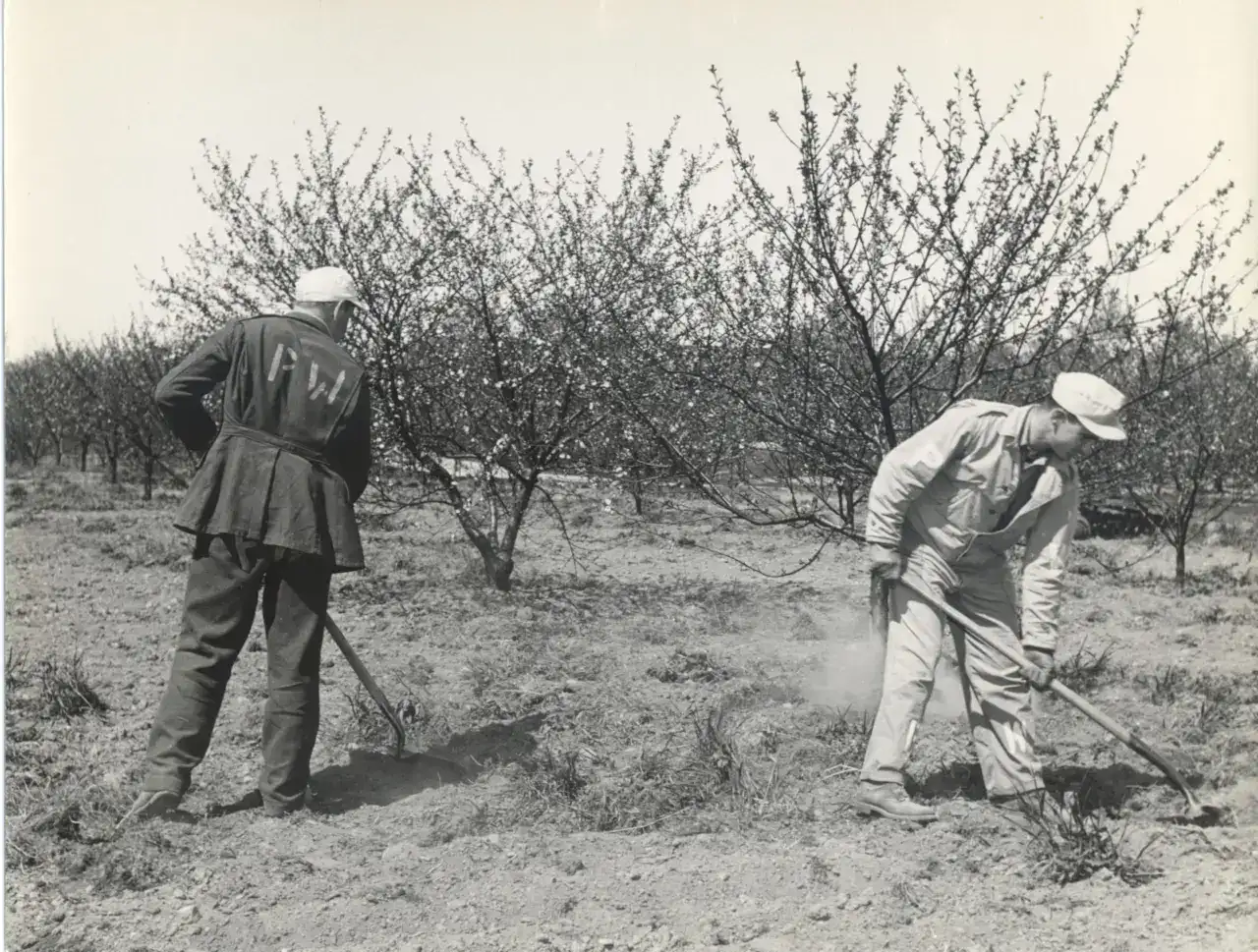
Most people think of World War II as something that happened somewhere else.
|
Yet for a few years, the war showed up in Blue Ridge orchards, forest roads, and farm fields. German prisoners of war worked alongside local communities while many of the region's young men were overseas.
|
It's an easy piece of history to miss. Once you know it happened, though, some familiar landscapes begin to look a little different.
|
This month, Blue Ridge Tales explores the surprising story of German POW labor in the mountains and how a global conflict became part of everyday life close to home.
|
|
|
|
|
|
Blue Ridge Travel
|
|
Why the Southern Appalachian Forest Feels So Alive
|
|
|
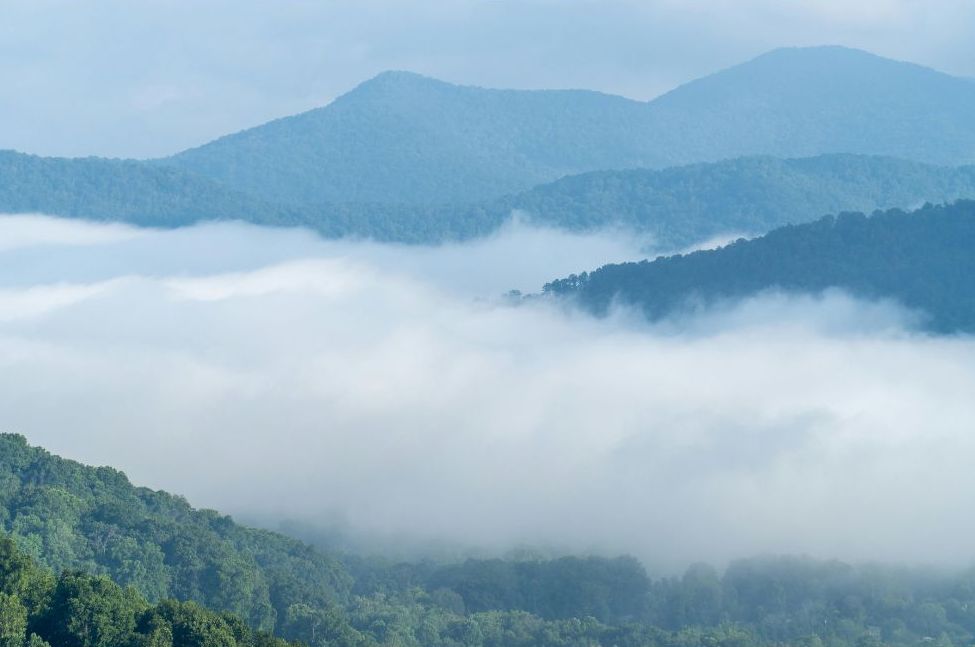
Most people notice the views first. The ridges, the overlooks, the endless green stretching toward the horizon.
|
What often goes unnoticed is why these mountains feel different from so many other places. The answer isn't found at a single overlook or trailhead. It's woven through the forests themselves.
|
This month, Blue Ridge Tales explores the Southern Appalachian Forest and the surprising forces that shaped one of the richest landscapes in North America. After reading, you may find yourself looking at the Blue Ridge in a completely different way.
|
|
|
|
|
|
Appalachian Foodways
|

|
|
|
Appalachian Small Game: What Lived Close Enough to Supper
|
|
Most folks think of hunting as something that happens deep in the woods.
|
For many mountain families, it often happened much closer to home. A fence row, an orchard edge, or a brush pile near the barn could become part of the food supply when smokehouses ran thin and gardens had not yet caught up.
|
This month, Blue Ridge Tales explores the overlooked role of Appalachian small game in mountain foodways. After reading, you may never look at an old farmstead landscape quite the same way again.
|
|
|
|
|
|
|
|
|
Charcoal Hearths in Appalachia: Reading the Forest Floor
|
|
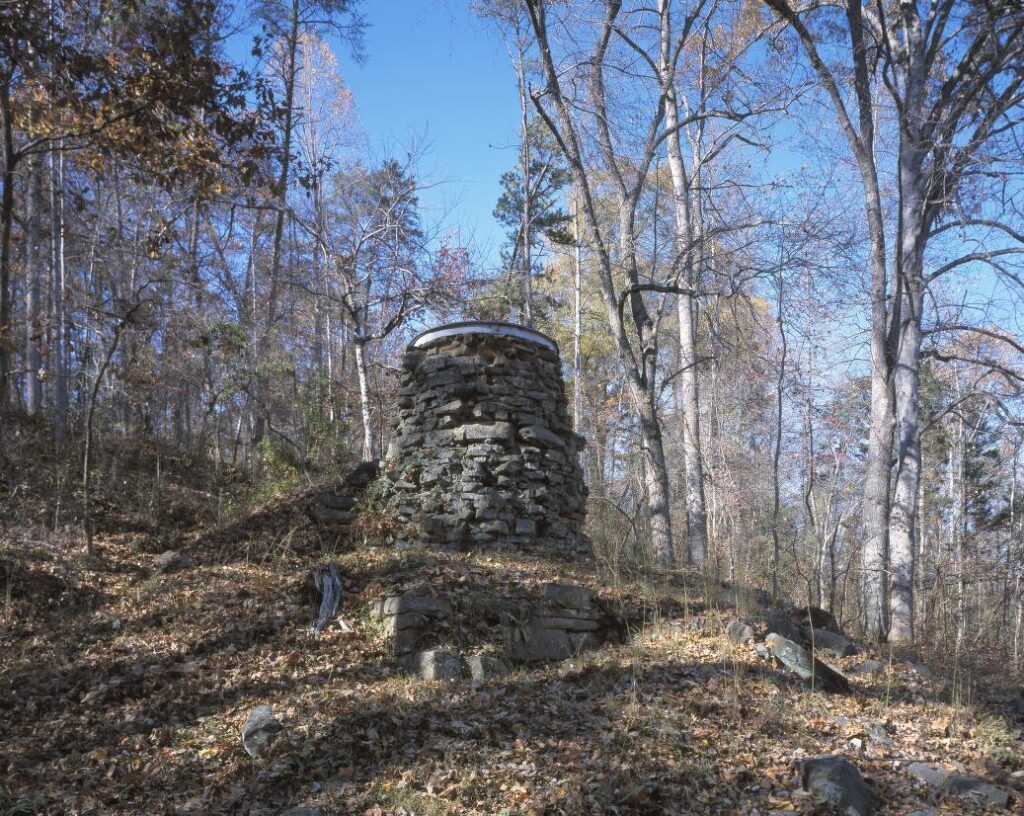
Most hikers notice the trees. Few notice the ground beneath them.
|
Scattered across Appalachian forests are strange, level circles hidden under leaves and roots. They don't look like much at first. Once you learn what they are, though, the woods begin to tell a different story.
|
This month, Blue Ridge Tales explores the charcoal hearths that fueled the region's iron industry and why their traces still remain beneath the trees. After reading, you may never walk a forest trail quite the same way again.
|
|
|
|
|
|
Thanks for reading. These stories don’t rush to impress, but they reward attention. I’m glad you spent some time with them.
|
If someone you know enjoys this kind of reading, feel free to pass it along.
|
|
|
|
|
|
|
|
|